

Effective public service engagement ensures that all community members have meaningful access to information and opportunities to participate. This is especially important for English Language Learners (ELLs), individuals whose primary language is not English and who are developing English proficiency.
According to the US Census Bureau, nearly 5% of Kansas adults face language barriers, limiting their ability to access services, understand signage or information, participate in civic processes, or engage with community programs. An estimated 27 million people in the U.S. speak English less than “very well,” a measure of limited English proficiency. Below is a list of ways we can intentionally include ELLs in services, programs, and community efforts to build trust, increase participation, and ensure that more voices are heard. As a result, we will enhance public service to best serve our communities.
- Share resources. Use available technology to research and support ELLs Put people in contact with organizations or individuals in your network, and consider partnering with ELL organizations if opportunities arise.
- Limit use of acronyms. Let’s be honest: we love acronyms in public service. Limiting the use of acronyms prevents confusion and allows for more clarity. For example, use “Memorandum of Understanding” instead of “MOU”. If it makes sense to use acronyms, at the very least, provide a written reference guide with full words.
- Translate high impact documents. Translating essential information helps English language learners (ELLs) understand and respond to changes that affect their daily lives. Notices about water outages, emergency alerts, and changes to public services should be available in languages commonly spoken in the community. Providing this information in a language residents understand helps them take action to protect themselves and their families and access the services they need.
- Slow down and allow extra time. Providing additional time to process information is helpful. Providing assistance with applications or surveys may be necessary. Welcome interpreters and recognize the use of interpreters may require additional time.
- Learn basic words in other languages. Using basic words and phrases can expedite services, provide a more welcoming environment, and ensure service delivery.
- Seek feedback. Evaluation is important to determine if services intended to reach ELLs are effective. Be intentional about adjusting and refining materials, processes, and communication strategies as necessary.
- Use captions. Audio and video versions with captions can accompany written materials and provide additional clarity for ELLs. Translating written materials and captions into other languages provides further clarity and eases anxiety in public settings.
- Utilize visual aids. Icons, diagrams, charts, and other graphics can be especially helpful to ELLs who may need additional support in understanding written documents. Pairing these visuals with written materials helps confirm understanding.
- Offer technology assistive devices. Affordable tools are available, such as reading pens or translation earbuds. These tools can support live interpretation needs and can help bridge communication gaps for ELLs. Google Translate is also a free, accessible tool that can assist with instant translations between many languages.
- Be a friend. If you recognize someone in proximity with a language barrier, be intentional to show kindness and help. Your presence alone is often more powerful than spoken words.
True inclusion happens when language accessibility is built in from the start, not added as an afterthought. By intentionally designing meetings, engagement strategies, and research practices that reflect a range of language backgrounds and English proficiency levels, we remove barriers for English language learners and improve participation and outcomes for all. Supporting English language learners in public service is ultimately about strengthening trust, expanding access to information and services, and ensuring that every voice has a meaningful opportunity to shape our communities.
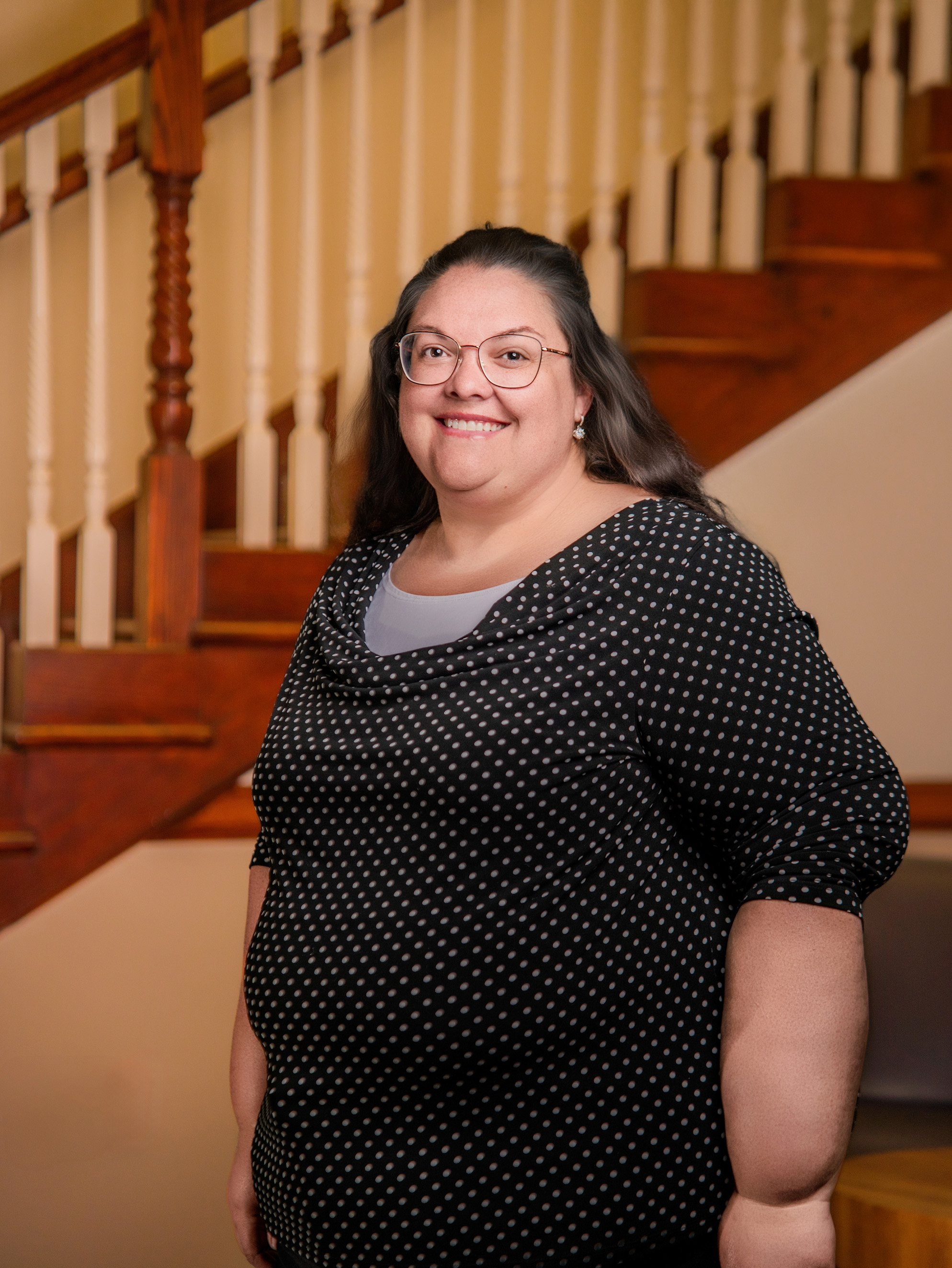 Sarah Shaffer