

2026 SNVC Winners:
56 teams entered the Shocker New Venture Competition and the students on those teams came together from varied backgrounds of study to compete. The colleges they represented included:
W. Frank Baron School of Business
College of Engineering
College of Innovation and Design
College of Fine Arts
College of Health Professions
Graduate School
Throughout the three rounds of competition, competitors received feedback from industry professionals, experts, and entrepreneurs who acted as judges. With the help of our competition judges, the number of teams was narrowed down to five winning teams. Without further ado, we are proud to present the winners of this year's Shocker New Venture Competition!
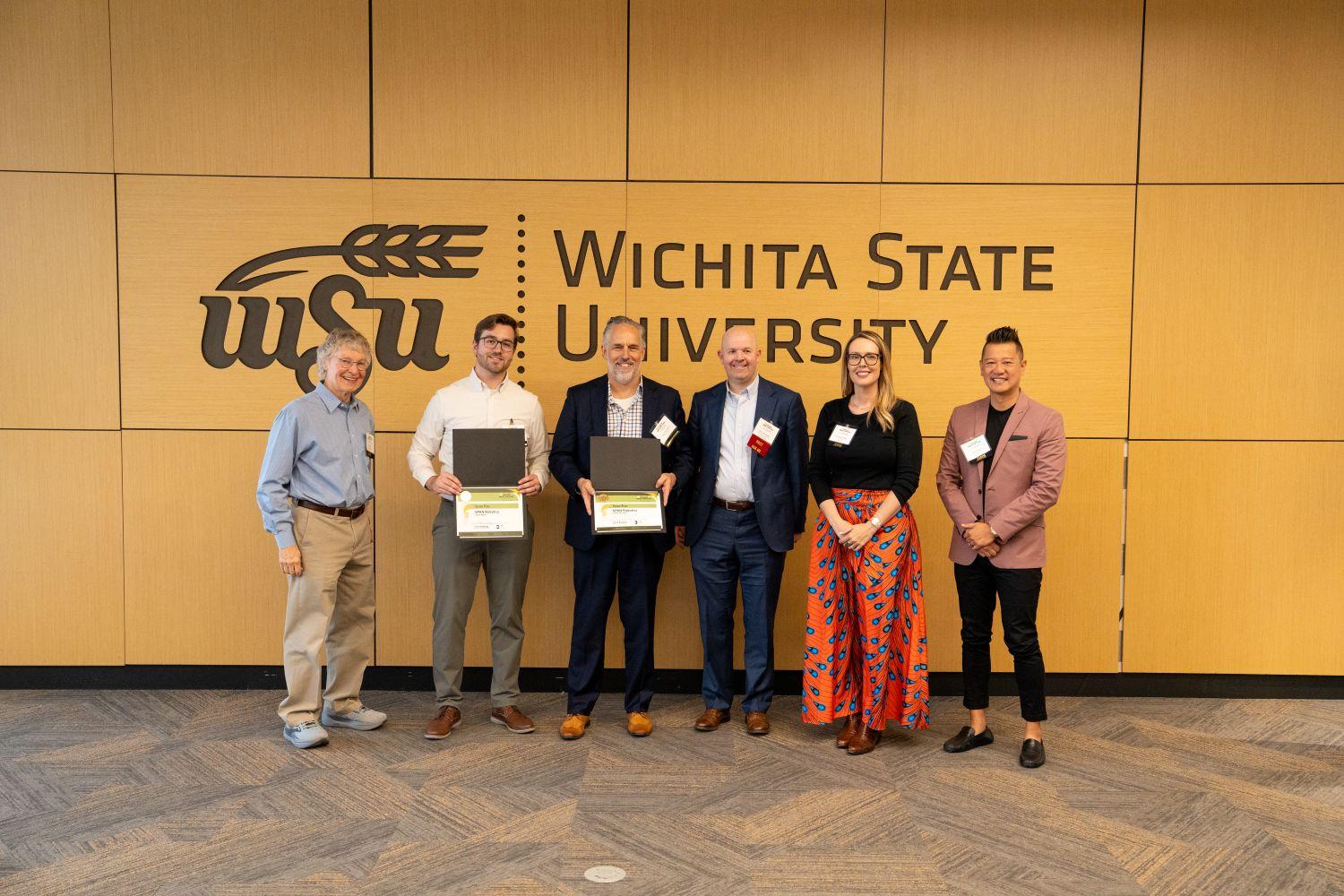
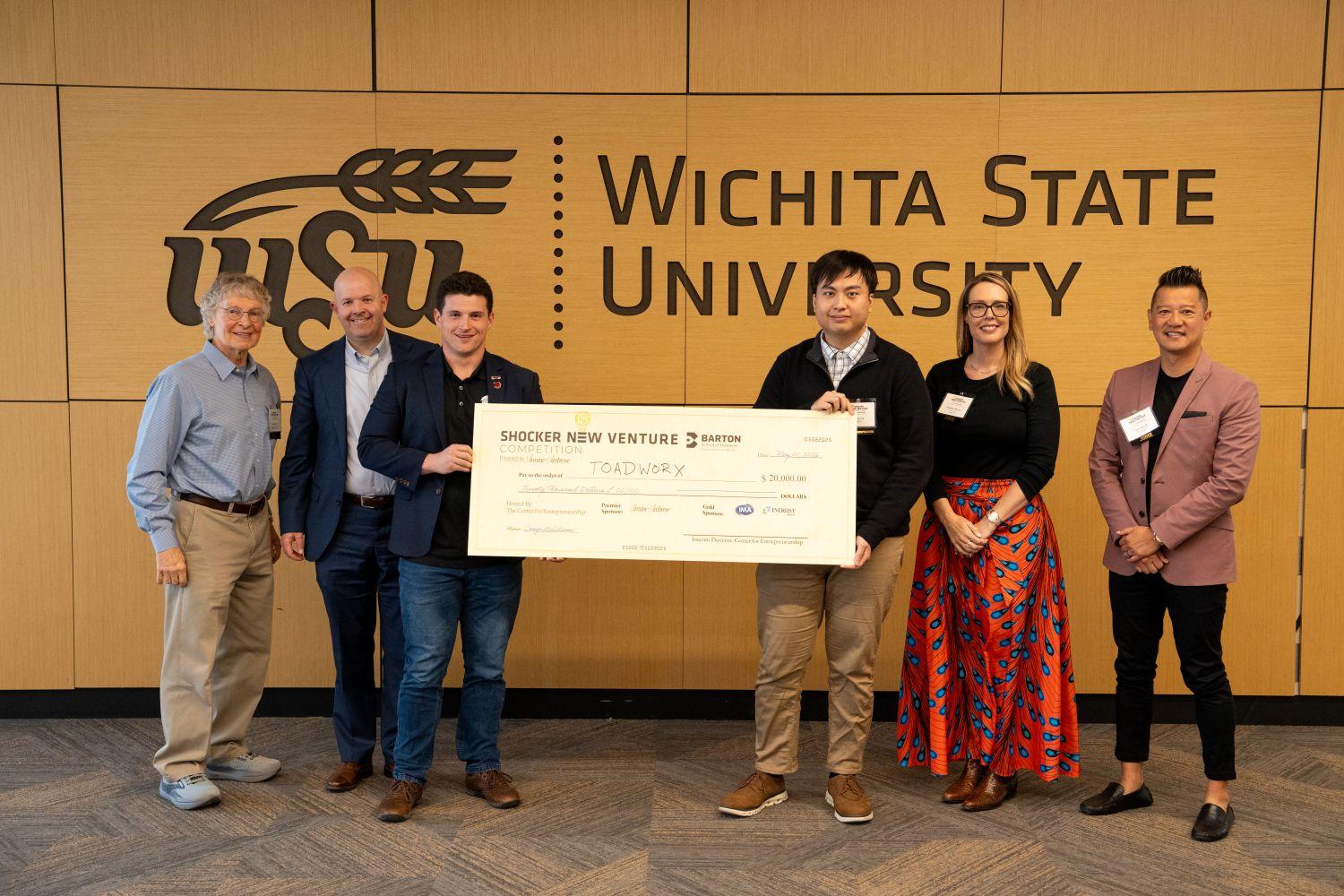
ToadWorx
1st Place, $20,000
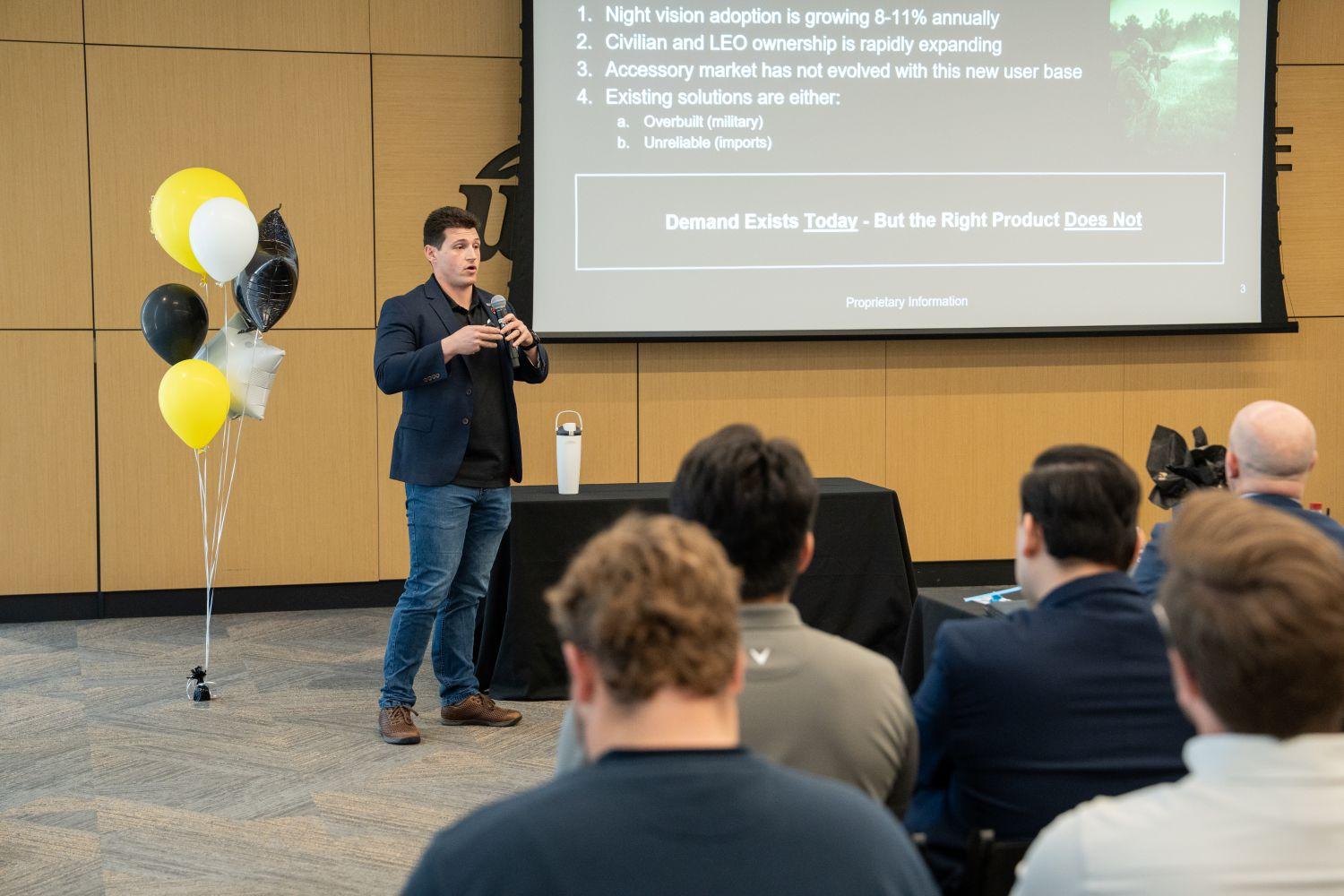
Toadworx is a Wichita-based startup founded by veterans, WSU students, and alumni focused on building affordable, high-quality tactical gear for night vision and firearm users. The current market forces consumers to choose between cheap, unreliable imports and extremely expensive military-grade equipment.
Toadworx addresses this gap by developing a growing line of rugged, American-made products, including the LAM Mk1 laser aiming module, as well as mounts, risers, and other tactical accessories. Each product is designed with a focus on durability, usability, and cost efficiency to deliver professional-level performance at a more accessible price point.
By combining real-world user insight with lean product development, we aim to disrupt the tactical hardware space and redefine expectations around performance and affordability. Our mission is to make dependable, purpose-built gear more accessible to civilians and law enforcement professionals who rely on it.
What's Next:
"After winning, our next major milestone is being able to ramp up our early production
and fulfill our first preorders to generate revenue for the company!"
- Logan Schraeder
Lessons Learned:
"I learned that even though we'd done our homework backwards and forwards on the company
and business side, along with all the technical stuff for our product, there's a definite
difference in knowing the answers and being able to convey them in a succinct and
impactful way."
- Logan Schraeder
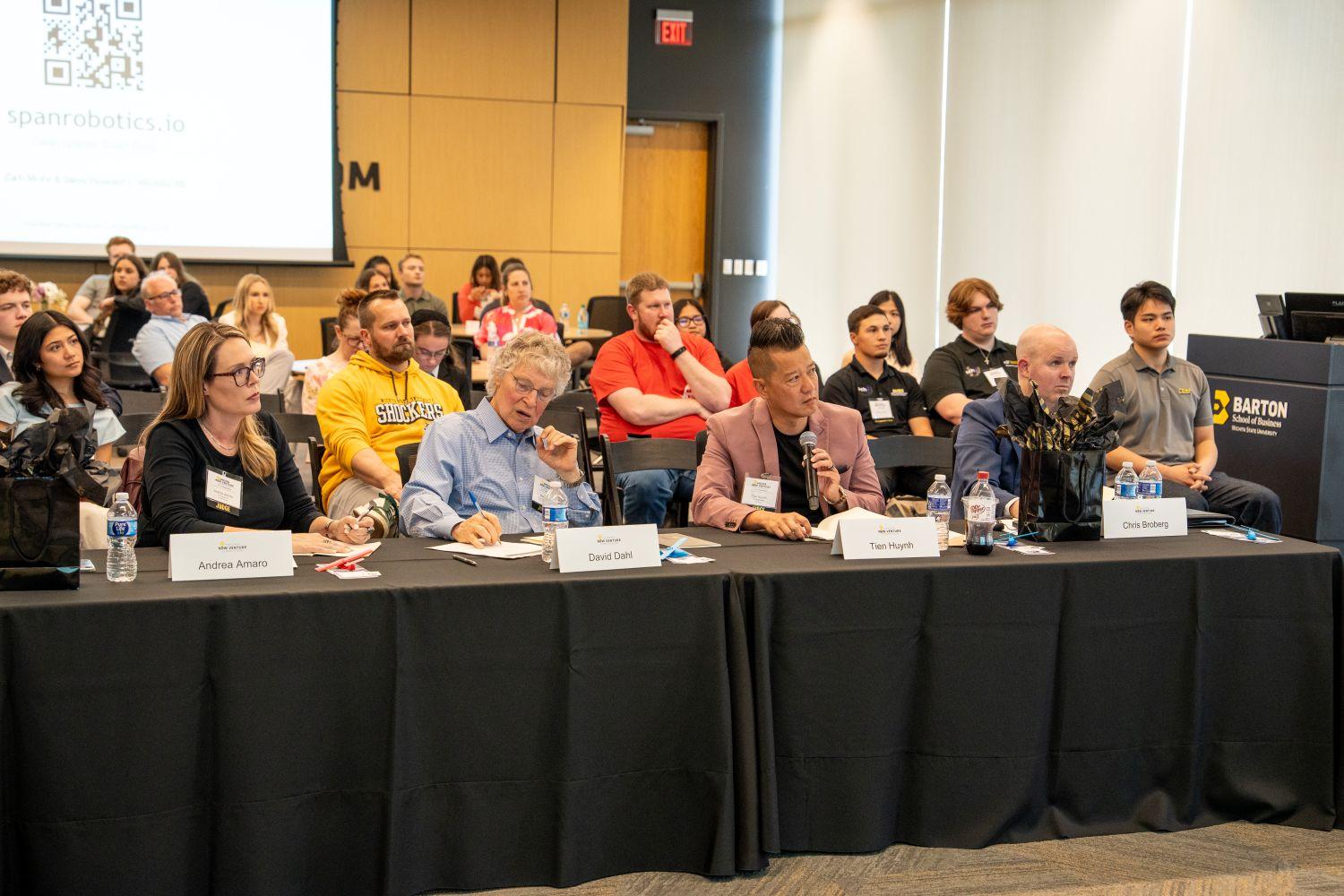
SPAN Robotics
2nd Place, $10,000
SPAN Robotics is rethinking how outdoor environments stay clean through an autonomous waste collection platform that integrates solar-powered smart stations, mobile ground robots, and aerial drone scouting. The system detects, maps, and collects litter with minimal human intervention while optimizing routes, reducing labor risk, and increasing operational efficiency. Powered by continuous real-world feedback, the platform generates structured environmental data for analytics, reporting, and ongoing model improvement. SPAN Robotics is currently advancing toward pilot deployments with early institutional partners.
What's Next:
“We plan to continue refining the rover system while beginning structured field deployments
with municipal and community partners.”
- Zachary Mohr
Lessons Learned:
“People connect most when they clearly understand the real-world problem being solved
and the larger vision behind the technology.”
- Zachary Mohr
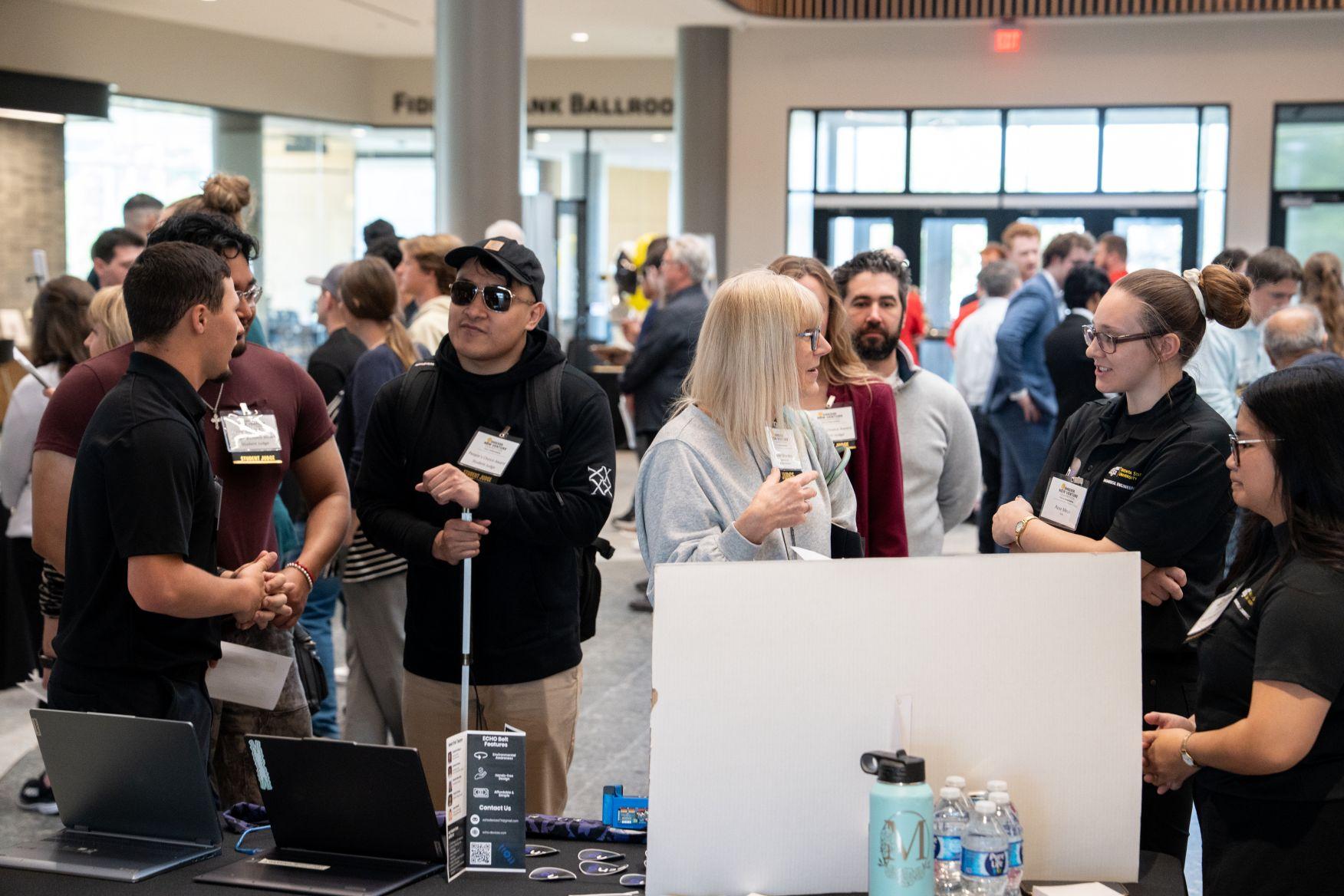
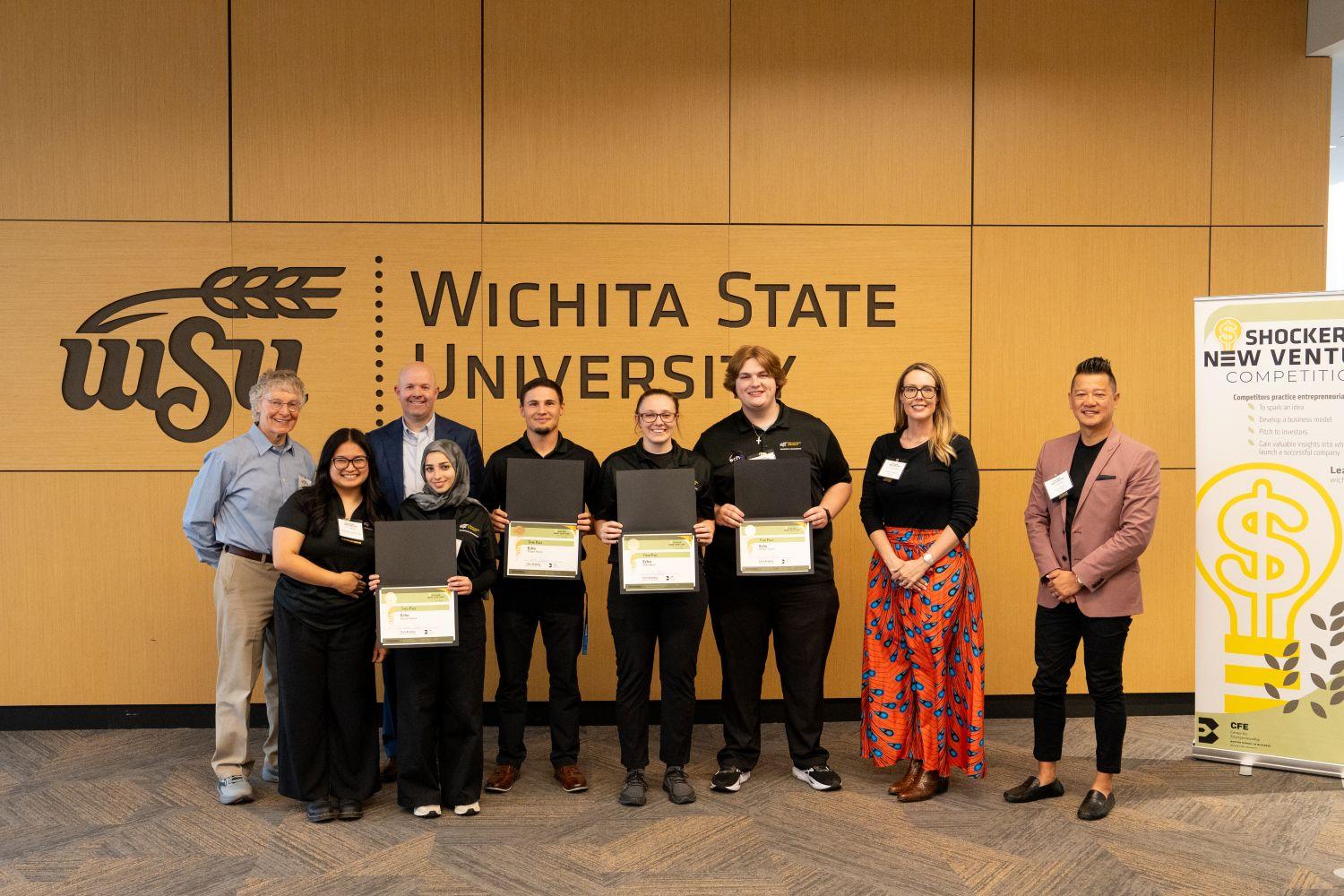
Echo
3rd Place, $2,500
Echo is focused on improving mobility and independence for individuals with visual impairments through accessible wearable technology. Our flagship product, the Echo Belt, uses ultrasonic sensors and haptic vibration feedback to help users detect obstacles and better understand their surroundings in real time. Designed to be hands-free and easy to use, the belt enhances existing mobility tools rather than replacing them.
Echo is built on the belief that everyone deserves to move confidently and safely through their environment. By prioritizing affordability, comfort, and scalability, we aim to serve both individual users and organizations such as rehabilitation centers and clinics. As we grow, Echo plans to expand its product line to further support independent living through innovative, user-centered design.
What's Next:
"After the competition, Team Echo plans to further our prototype, connections with
local intuitions, and accumulate real user feedback. We also plan to take the feedback
we received during the competition to refine our business model."
- Tristen Porter
Lessons Learned:
"The Echo-Belt was made possible by the combination of our team's diverse skills,
with each member contributing a unique strength to the development of the product.
Through our teamwork, we made something we are all very proud of."
- Tristen Porter
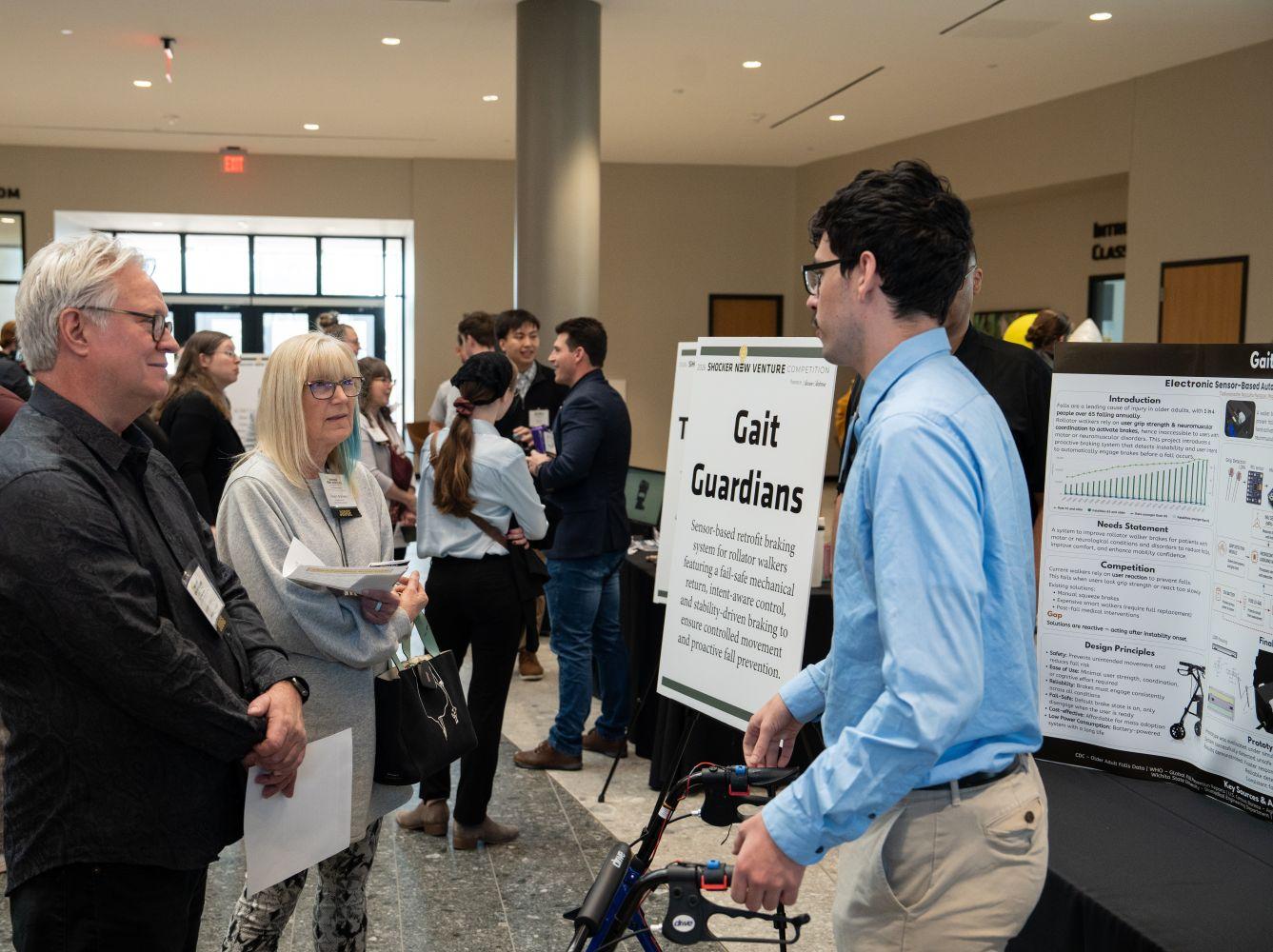
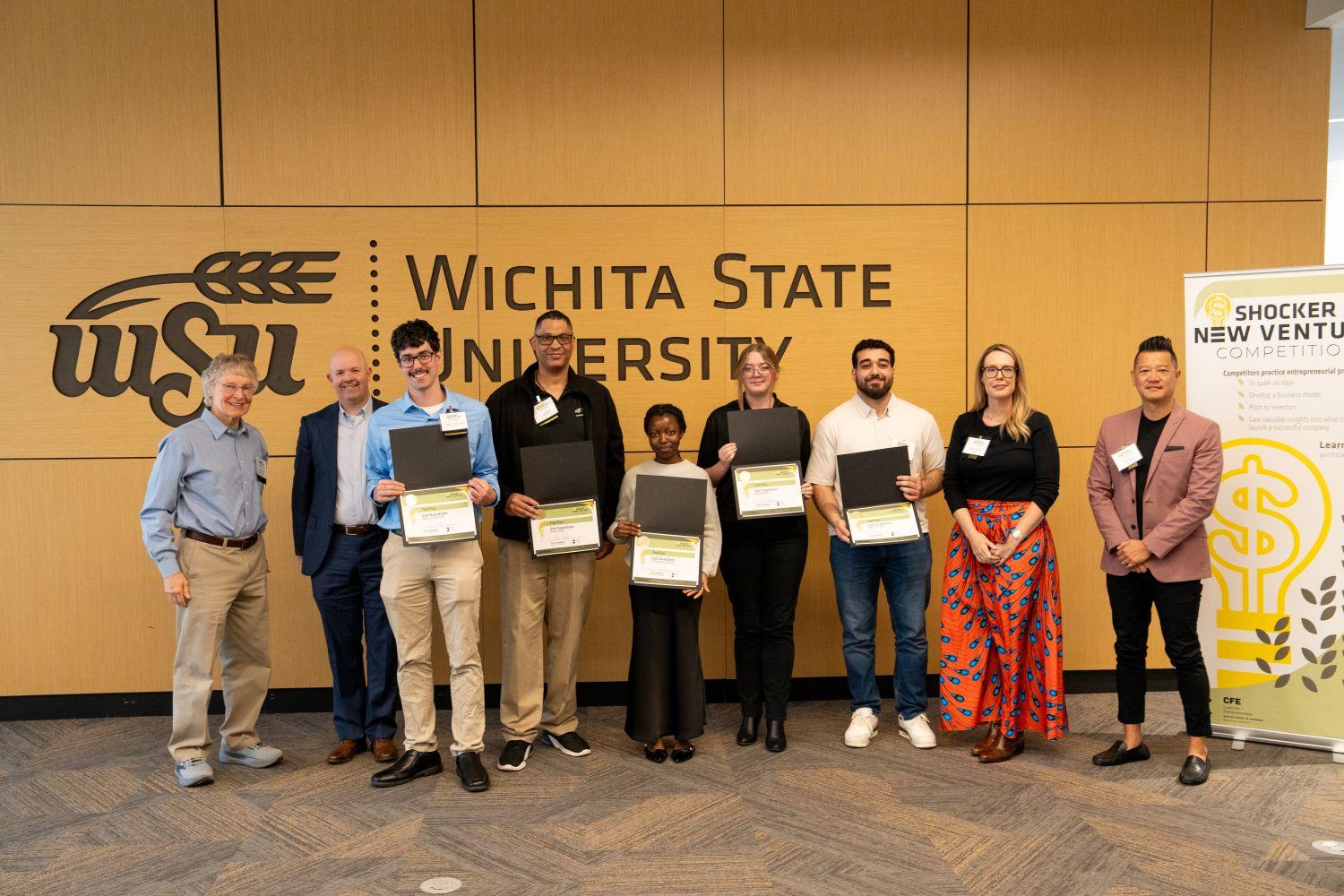
Gait Guardians
3rd Place, $2,500
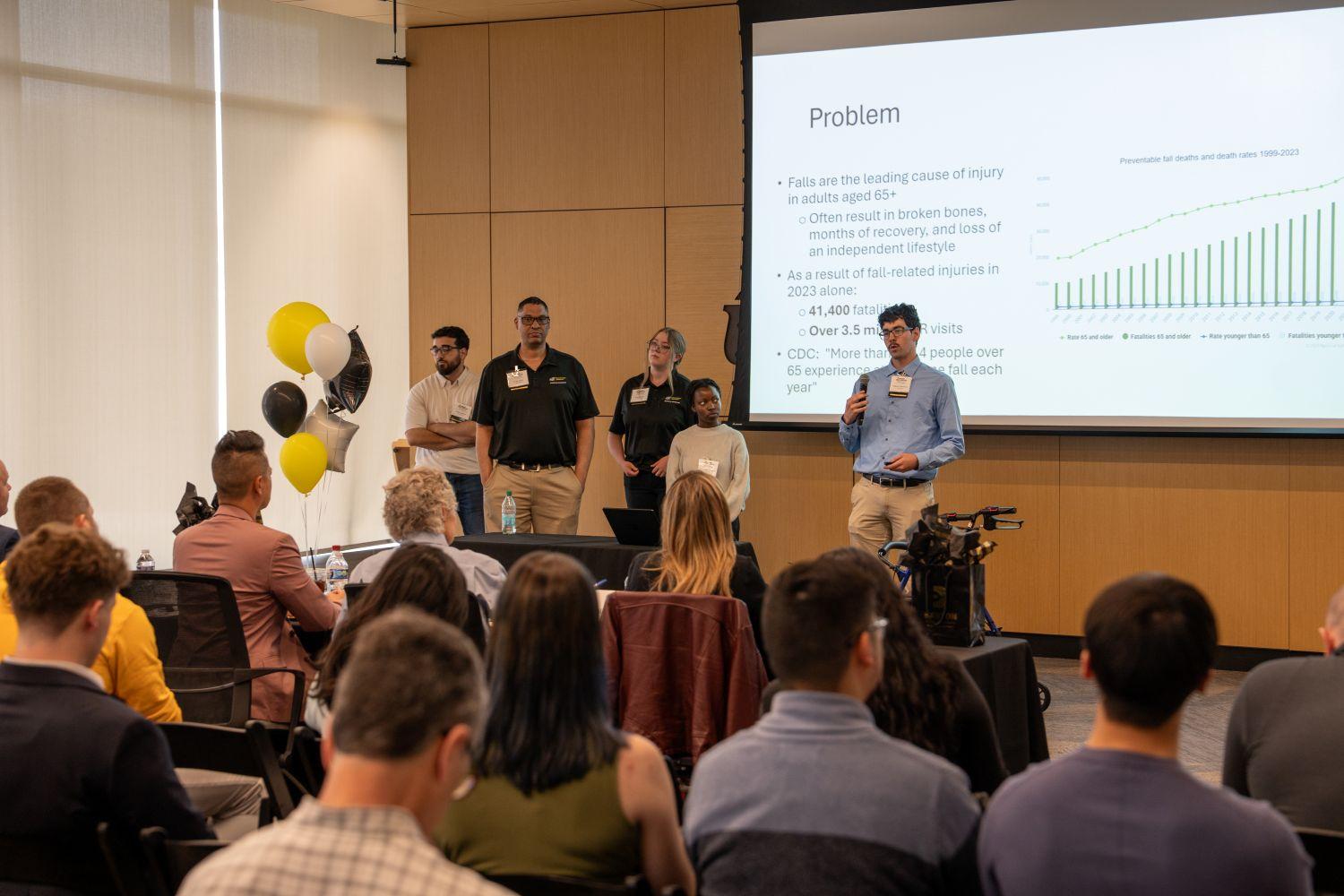
This project presents the design and development of a sensor-based retrofit braking system for rollator walkers aimed at reducing fall risk and improving user safety. Conventional walkers rely on manual brake activation, requiring adequate grip strength and neuromuscular coordination—motor functions often diminished in elderly and motor-impaired individuals.
The system introduces a fail-safe, default-locked braking architecture that permits movement when safe, intentional motion is detected. User intent is detected through embedded light-dependent resistors (LDRs) in the walker handles while an inertial measurement unit (IMU) monitors motion tilt and stability. Sensor data is processed by a microcontroller to actuate a motor-driven braking mechanism, ensuring controlled and responsive operation.
Designed as a modular retrofit, the system integrates with existing walkers, eliminating the need to purchase new walkers. By combining intent-aware control, stability-driven feedback, and fail-safe protection, this solution shifts walker safety from reactive to proactive, reducing fall incidence and improving mobility independence.
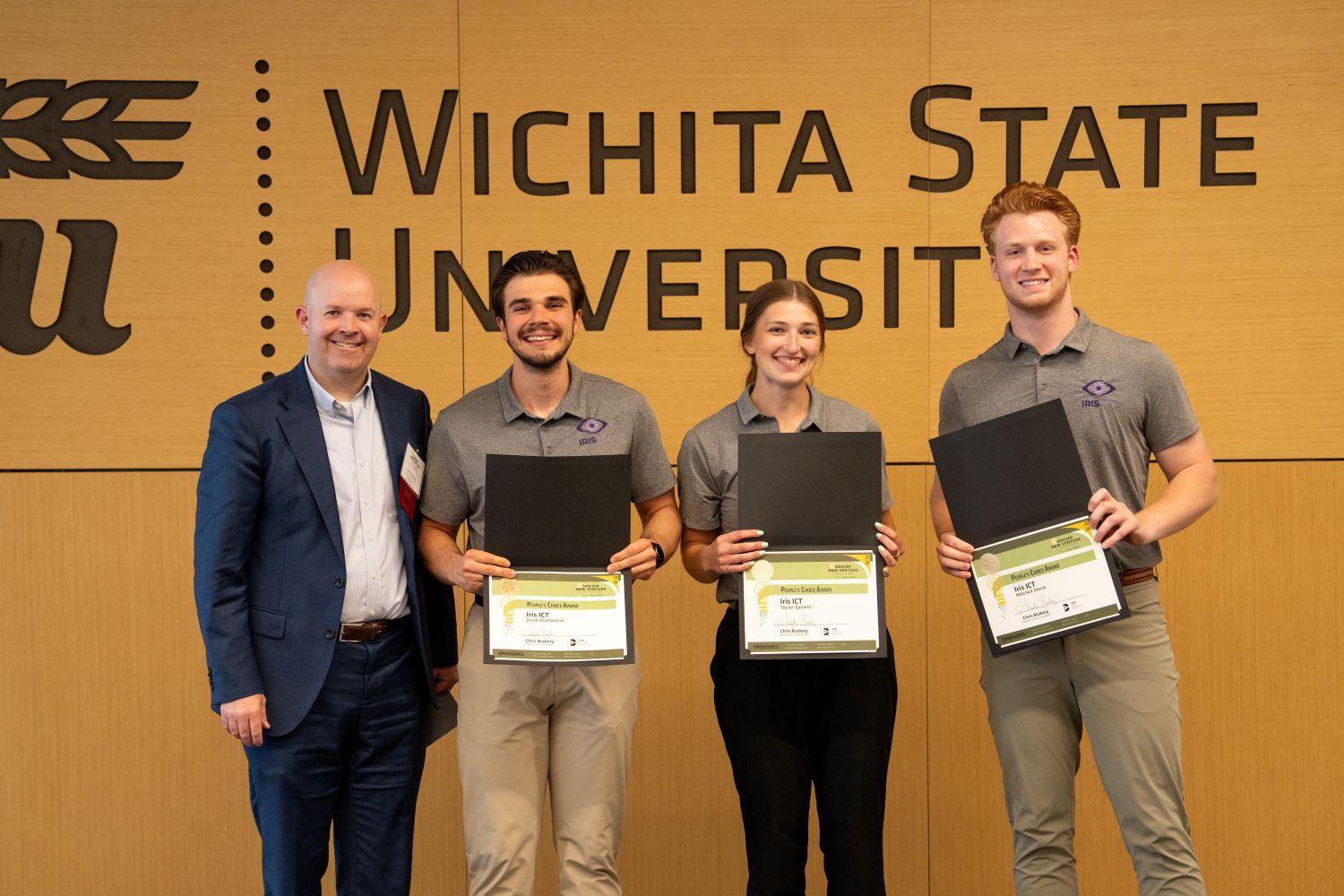
Iris ICT
NextGen Entrepreneurship Choice Award & People's Choice, $1,000 and $500
Retained surgical items (RSIs) are tools left inside patients following surgery, often resulting in malpractice settlements averaging $525,000 per instance. With an estimated 1 error in 10,000 surgeries, and over 90 million surgeries performed annually in the United States, hospitals incur over $4.5 billion in annual avoidable costs. Current methods, including manual counting and using radiofrequency (RF) detection, fail to identify and track the locations of tools throughout procedures.
Our flagship product, Third Eye, is designed for hospitals and surgical teams and utilizes a secure computer vision platform to identify and track surgical instruments in real-time, minimizing errors and improving surgical workflow. A market size of 6,100 hospitals yields our total addressable market of $5.5 billion in direct sales, and over $1.2 billion in recurring annual revenue. Iris ICT is a team of biomedical engineers with medical technology and surgical shadowing experience, along with valuable healthcare connections.
What's Next:
“Right now, we’re going through the patent process and are working on securing a provisional
patent. We’re also in the process of becoming a corporation and seeking initial investors
so we can hire our first developer to further develop the model and continue attracting
additional investors.”
-Iris ICT
Lessons Learned:
"We think having some sort of pitch to not only grab people’s attention, but also
keep the attention of those who are genuinely interested throughout the two-minute
pitch by talking about your different categories and things like that, was really
important.”
- Iris ICT
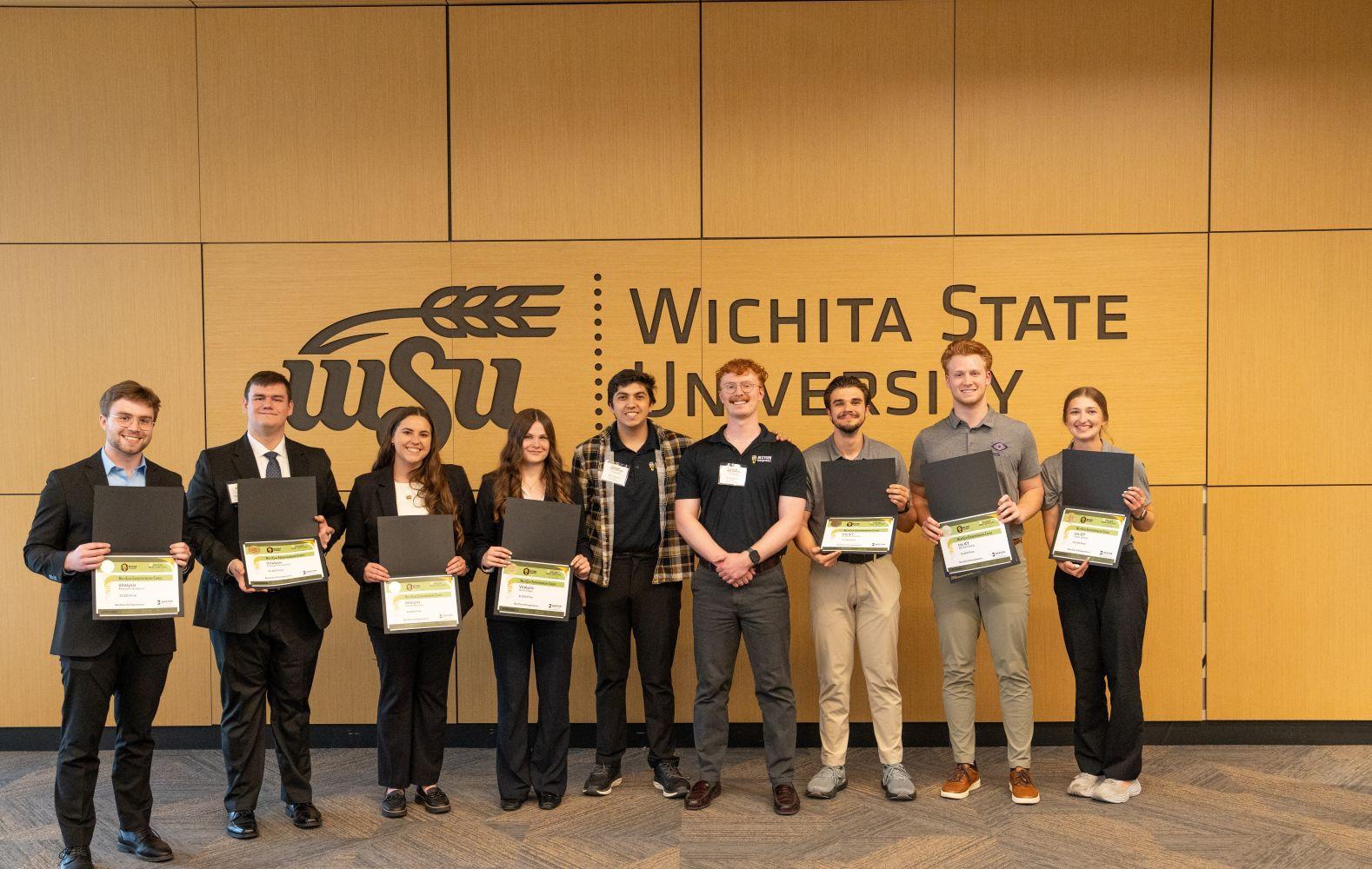
Vitalisys
NextGen Entrepreneurship Choice Award, $1,000
Electrocardiogram (ECG) electrodes are highly susceptible to motion artifacts—noise generated when movement disrupts the skin-electrode interface. This is especially problematic in emergency medical services (EMS), our primary target market, where patient transport creates constant motion and compromises signal reliability. Current solutions rely on downstream filtering, which attempts to correct already distorted data.
Our company develops a disposable ECG electrode designed to reduce motion artifacts at the source by improving the skin-electrode interface and material composition. The electrode integrates seamlessly with existing monitoring systems, requiring no workflow changes.
We are entering a high-volume disposable market driven by single-use standards and repeat purchasing, creating predictable, recurring revenue. By leveraging established medical supply distributors, we can accelerate adoption while maintaining low production costs through lean manufacturing, ultimately improving patient care in critical EMS settings. Our design enhances diagnostic confidence, reduces repeat measurements, and supports faster, more accurate clinical decision-making in emergencies.
What's Next:
"We plan to pursue patent filing through the WSU technology transfer office. After
that, we will start on the regulatory process and continue testing our design."
- Benjamin Anderson
Lessons Learned:
"We learned how much goes into creating a medical device startup. Even though the
path ahead is difficult, we have a much better grasp on what we need to do to accomplish
our goals."
- Benjamin Anderson
2025 SNVC Winners
45 teams entered the Shocker New Venture Competition and the students on those teams came together from varied backgrounds of study to compete. The colleges they represented included:
College of Applied Studies
College of Engineering
College of Fine Arts
College of Health Professions
College of Innovation & Design
Fairmount College of Liberal Arts & Sciences
Graduate School
W. Frank Barton School of Business
Throughout the three rounds of competition, competitors received feedback from the industry professionals, experts, and entrepreneurs who acted as judges. With the help of 85 judges, the number of teams was narrowed down to three winning teams. Without further ado, we are proud to present the winners of this year's Shocker New Venture Competition!
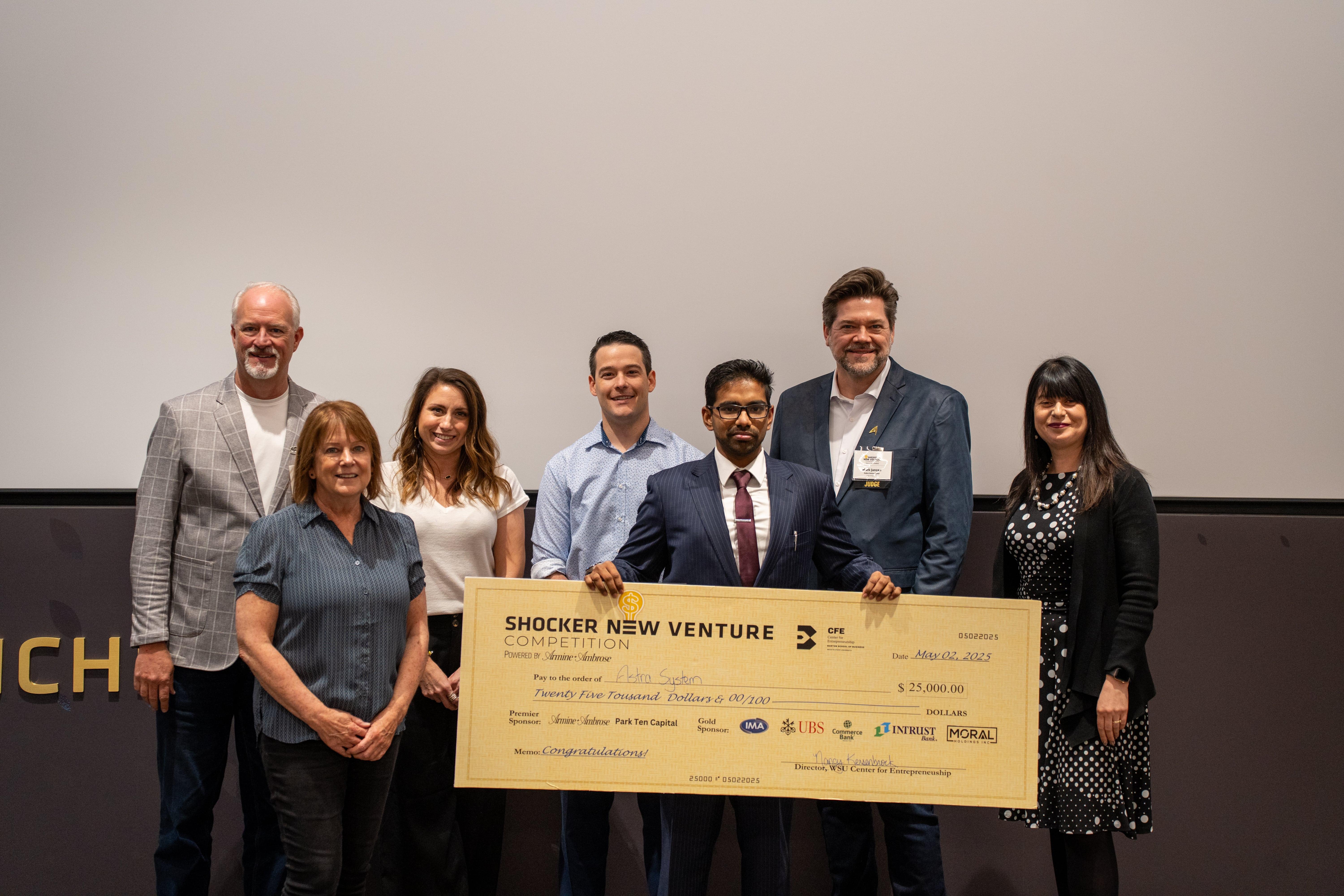
Astra System
1st Place, $25,000
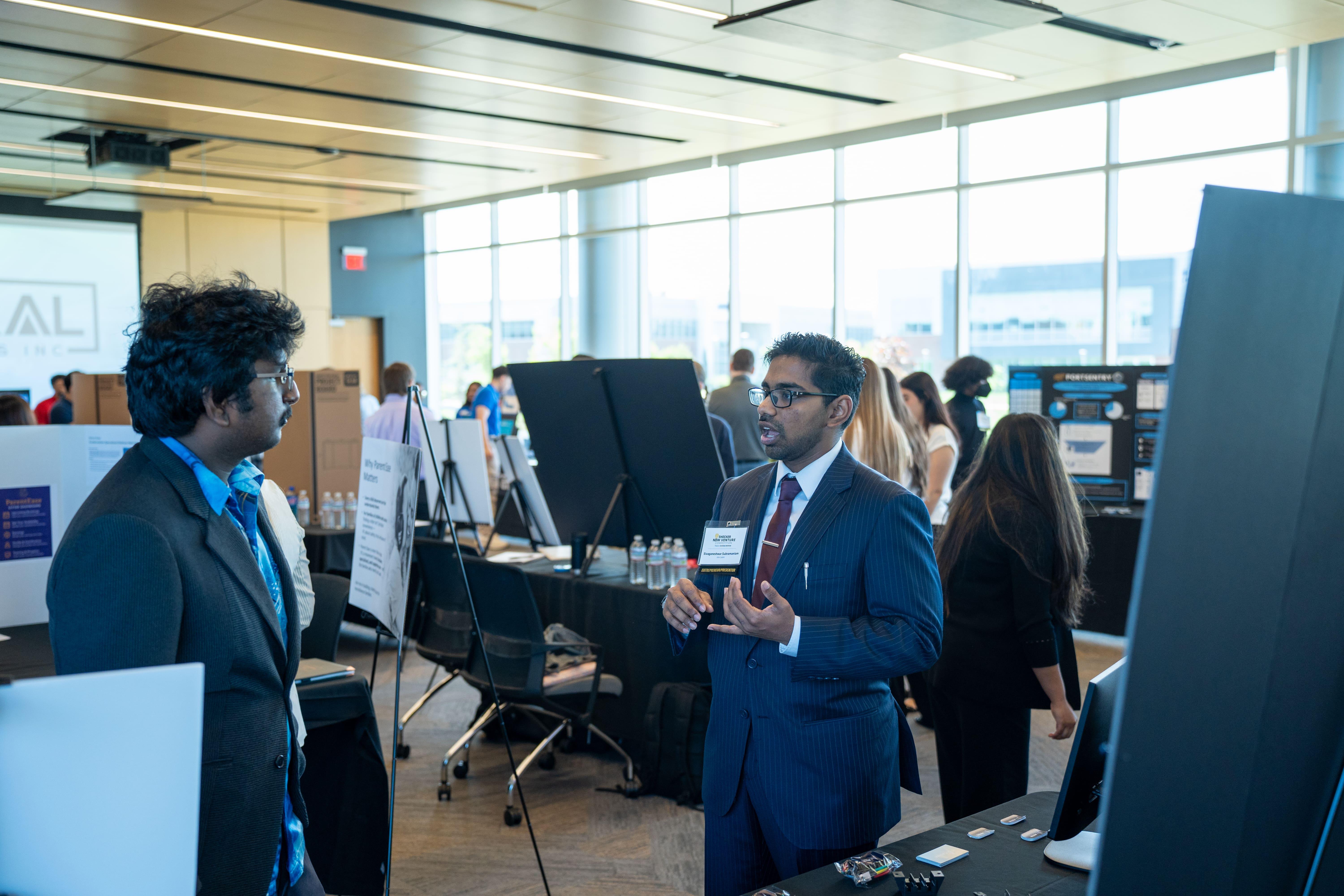
Astra System is a performance-driven manufacturing firm transforming terminal block production for mid-volume markets. Rooted in a "simple, not easy" philosophy, the company simplifies complexities to deliver precision-engineered solutions without compromise. Traditional manufacturers rely on costly molds and extended lead times, but Astra System redefines the model by engineering custom terminal blocks using in-house 3D printing and CNC--delivering both metal and insulating parts in days, not months.
Serving small-to-mid-size OEMs across appliances, HVAC, and industrial sectors, Astra System elimnates tooling costs, ensures design flexibility, and supports rapid iteration. With zero reliance on overseas suppliers. the company guarantees speed, reliability, and precision--turning complexity into clarity.
Driven by core values of Precision with Purpose, Simplicity in Complexity, and Speed without Compromise, Astra System is on a mission to set new standards in electromechanical innovation. The company isn't just manufacturing differently--it's engineering the future of mid-volume production.
"Success is simple, not easy--you can earn it by making your own luck through effort,
focus, and grit."
Sivaganeshwar Subramaniam
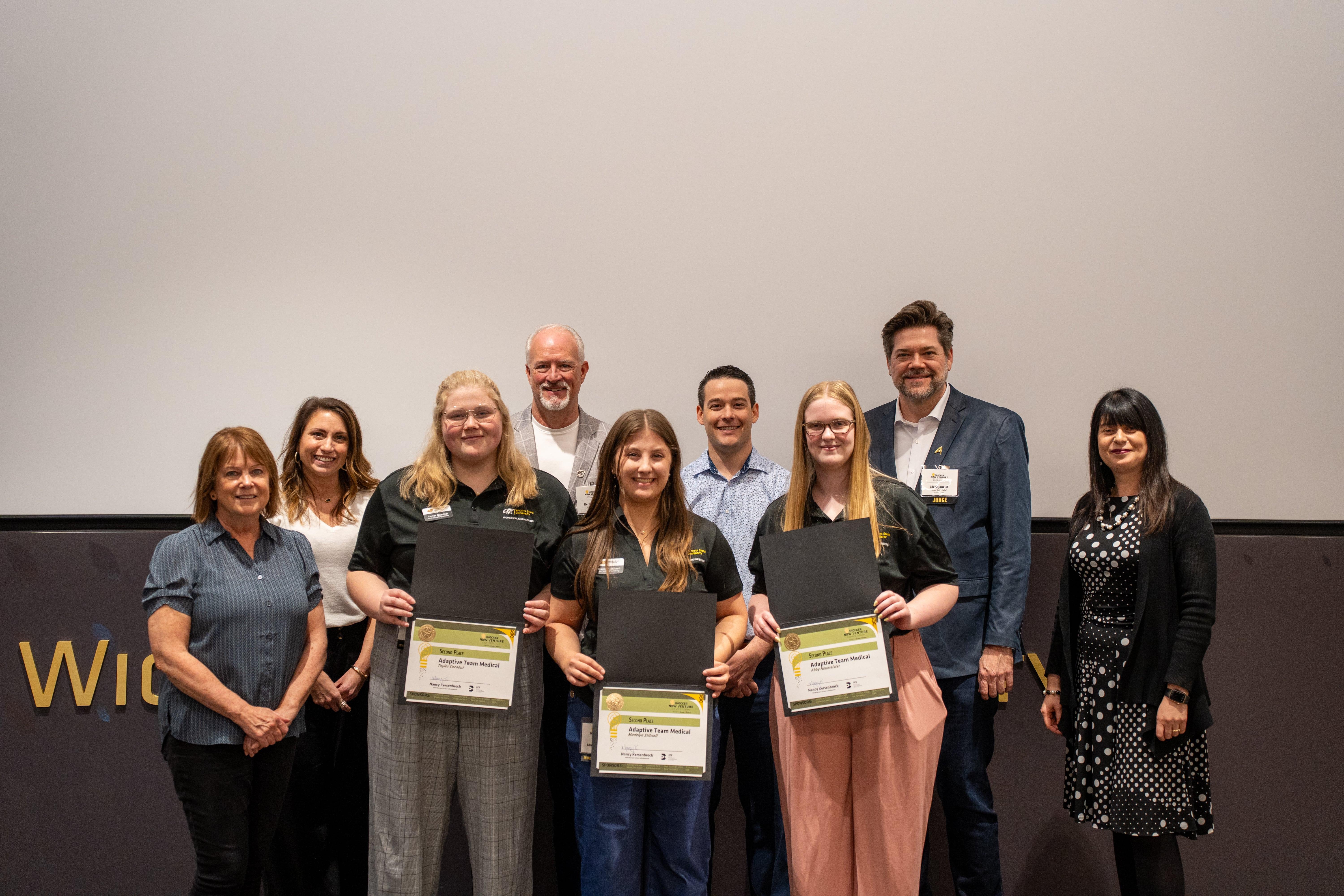
Adaptive Treatment Medical
2nd Place, $7,000
Adaptive Treatment Medical (ATM) is committed to enhancing patient safety and improving provider efficiency through innovative medical solutions. Its flagship product, the Break Away Buddy, is specifically designed to securely hold nasogastric (NG) tubes, preventing both accidental and intentional removal by patients.
NG tubes are commonly utilized in clinical settings as temporary interventions for malnutrition or toxic ingestion. However, patients experiencing hospital psychosis, psychological conditions, or acute distress may become agitated or combative after tube placement. This can lead to premature removal, introducing serious complications such as dysphagia, aspiration pneumonia, tube knotting, and other adverse outcomes.
By prioritizing safety, security, and efficient care delivery, the Break Away Buddy minimizes these risks, reduces care disruptions, and allows healthcare professionals to concentrate on what matters most--achieving optimal outcomes for their patients.
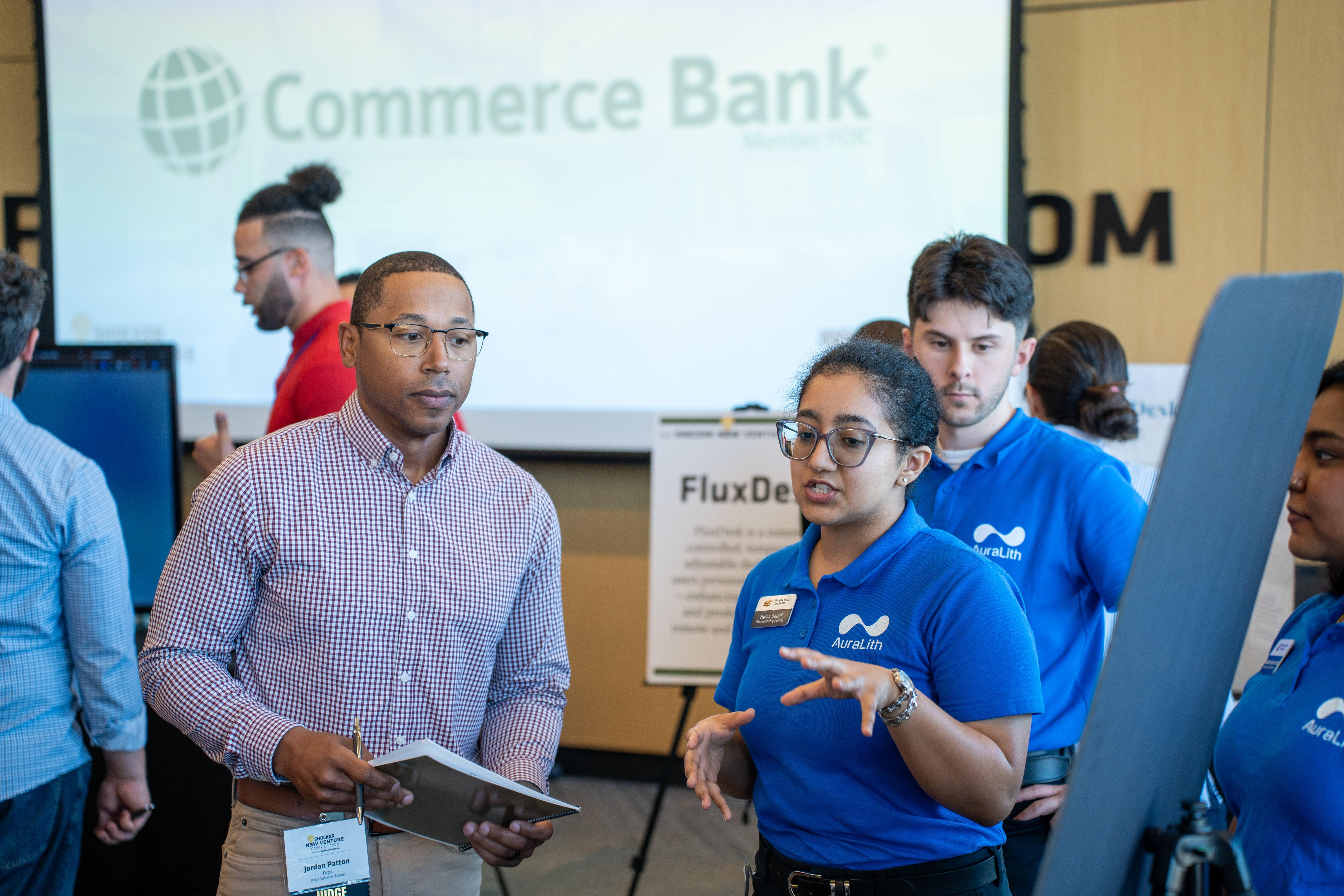
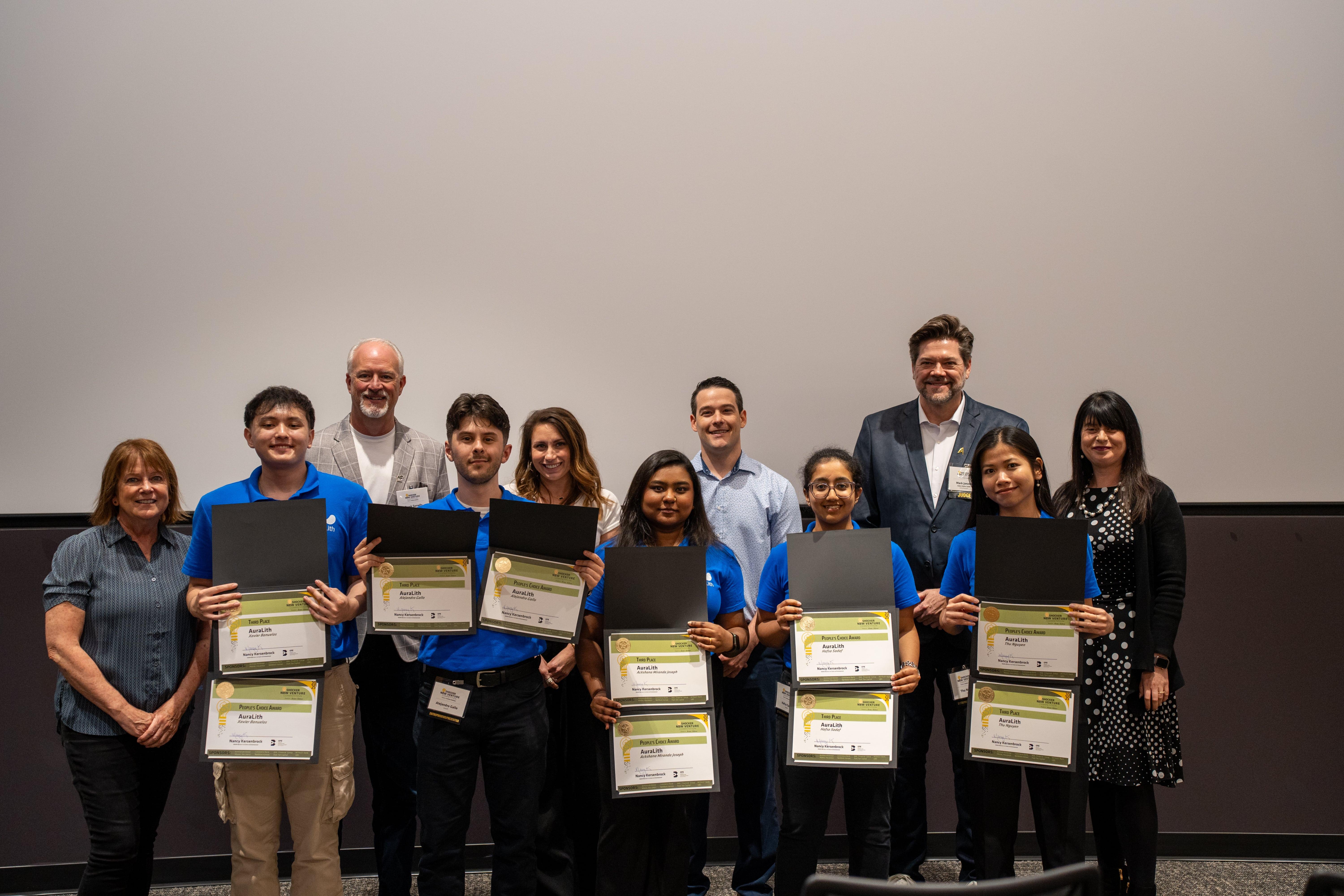
AuraLith
3rd Place & People's Choice, $4,000 and $500
Laser lithotripsy is a minimally invasive and highly effective procedure commonly used to treat kidney stones. However, stones larger than two centimeters typically require invasive surgical intervention and longer hospital stays. AuraLith is a groundbreaking laser lithotripsy device designed to fully capture relatively large kidney stones while reducing procedure time by 25%
With over 600,000 cases annually and a U.S. market valued at 2.1 billion, the field is projected to grow at a CAGR of 3.8% between 2025 and 2030. AuraLith offers more than just innovation--it represents the next standard in kidney stone treatment.
"From concept to pitch, this experience emphasizes the importance of both engineering
and business mindsets. To have made it this far into the competition is an honor which
we will carry into the rest of our lives!"
-AuraLith Team
2024 SNVC Winners
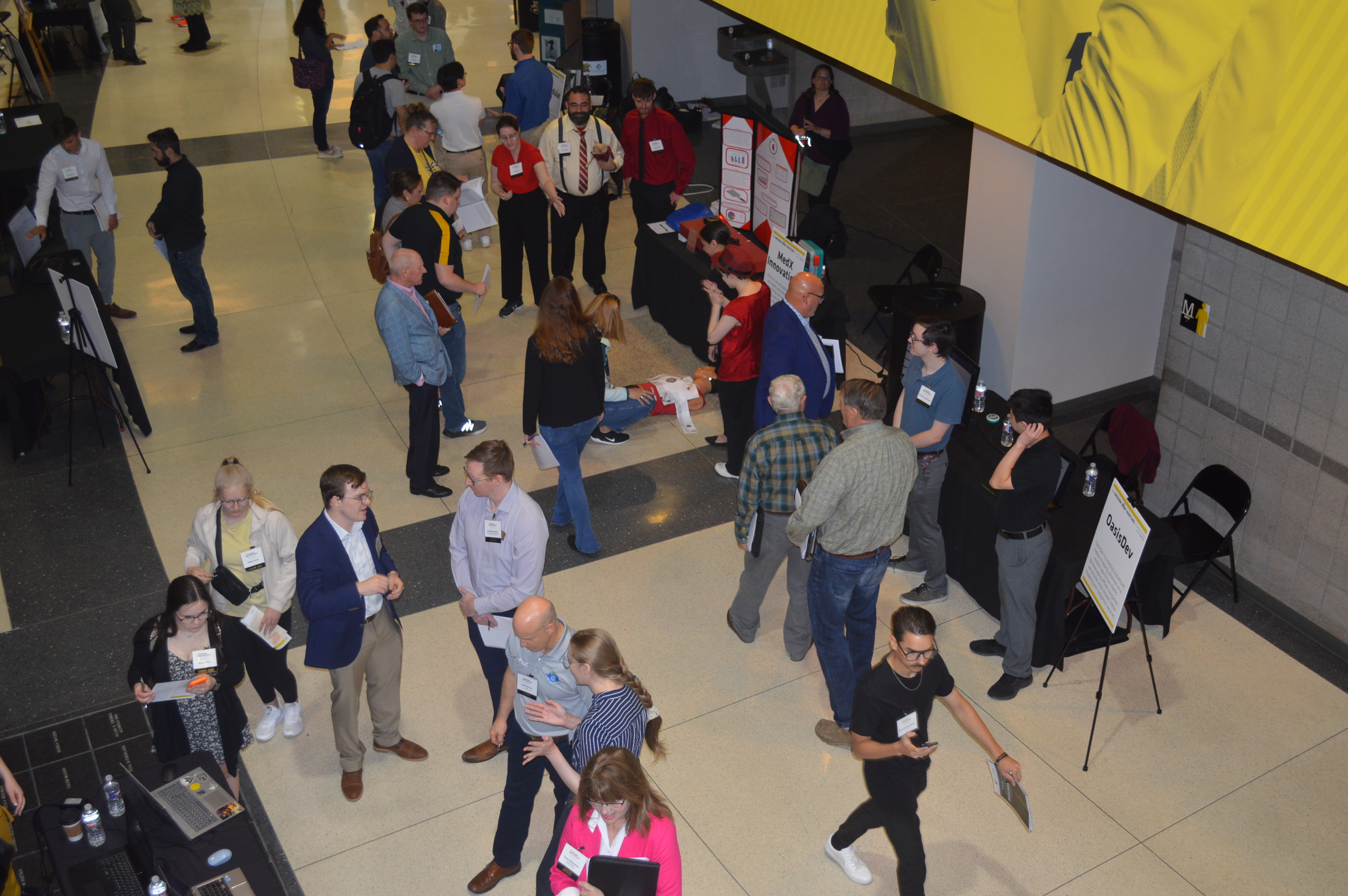
37 teams entered the Shocker New Venture Competition and the students on those teams came together from varied backgrounds of study to compete. The colleges they represented included:
College of Applied Studies
College of Engineering
College of Fine Arts
College of Health Professions
College of Innovation & Design
Fairmount College of Liberal Arts & Sciences
Graduate School
W. Frank Barton School of Business
Throughout the three rounds of the competition, competitors received feedback from the industry professionals, experts, and entrepreneurs who acted as judges. With the help of 115 judges, the number of teams was narrowed to four winning teams.
Without further ado, we are proud to present the winners of this year’s Shocker New Venture Competition!
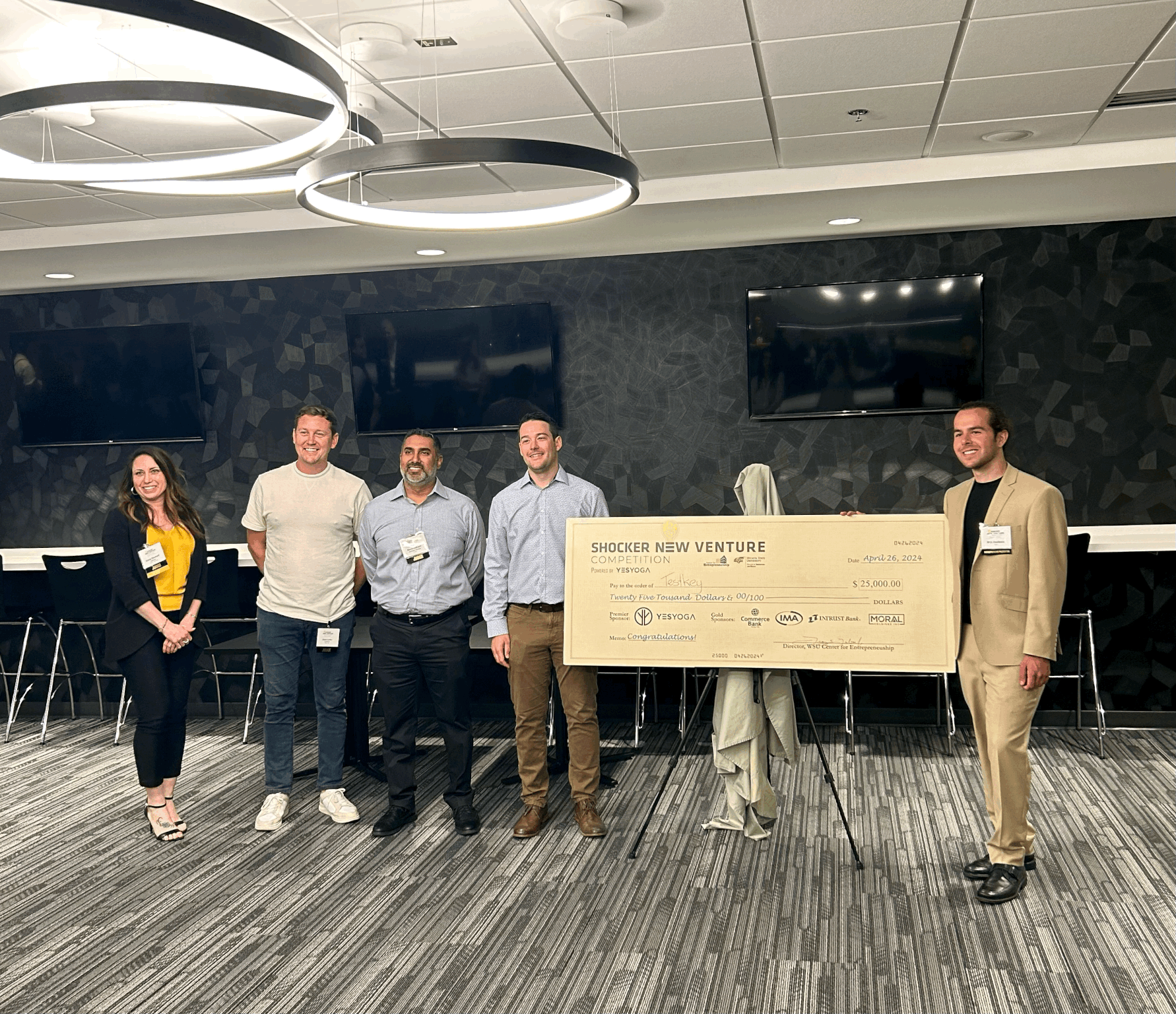
TestKey
1st Place, $25,000
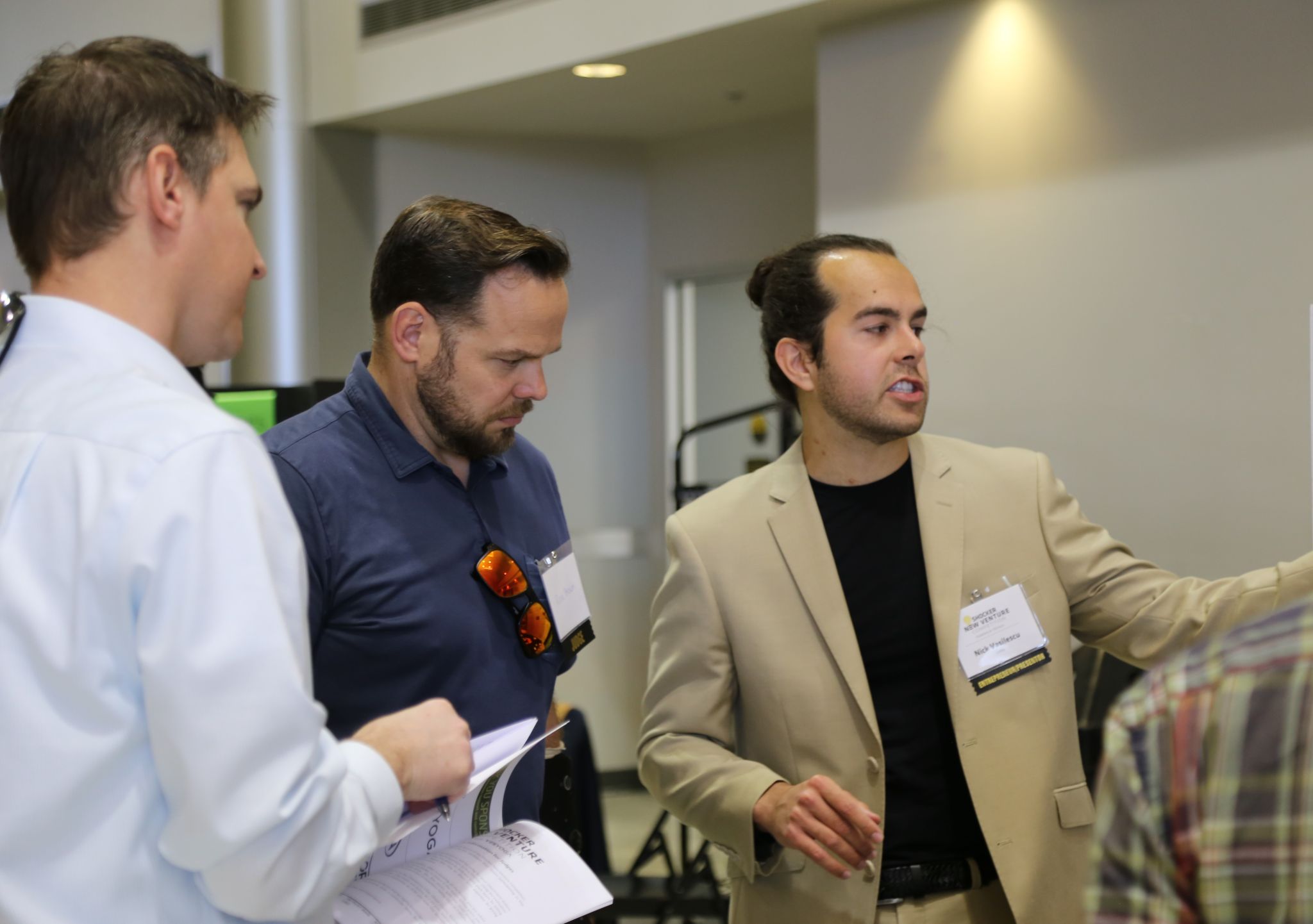
Nick Vasilescu’s journey to create TestKey was aided by the empowerment he experienced researching under Dr. Persons, a genetics and cell molecular professor at Newman University. Dr. Persons provided Nick the freedom and flexibility to research and do projects that interested him—helping him take advantage of the inspiration behind TestKey.
Walter Issac described the future Jennifer Doudna, the founder/inventor of CRISPR gene editing, saw for “…disease treatment, where you could print off a drug infused tattoo at home and apply it to yourself from the comfort of your home.” The idea fascinated Nick and inspired the idea behind TestKey, a startup with the goal to improve the diagnosis process and make it more convenient.
The exploration Nick undertook to develop a working prototype began with trying to diagnose Huntington disease in fruit flies. Through those experiments and many others, he created a diagnostic tool that identifies diseases via one’s DNA using a process as convenient as a rapid test, more formally known as a lateral flow test. This eliminates the need for specialized laboratory equipment and makes it possible for people to test themselves within their own home.
From competing in the competition, Nick learned valuable lessons surrounding pitching; namely, “Keep it simple and easy to understand. Also, something cliche but I believe it helped, I think showing your determination and ability to get back up when you fall is important.”
After he finishes developing the technology behind TestKey, Nick is planning “to license out the technology/intellectual property to a larger test strip company (someone like Abbott) who can get the test in the hands of patients due to their large and vast distribution channels.”
“The biggest opportunity from SNVC is the connections I've made with the judges and
the ability to move forward with my startup. At the end of the day, we are solving
a real and significant problem, and it will help millions of people to be able to
provide diagnostic tests for Long Covid, a disease that affects 1 in 9 people in the
US today. By the end of the summer, we will have a test in hand thanks to the fiscal
support from SNVC and other opportunities provided to us from the competition.”
- Nick Vasilescu
MedX Innovations
2nd Place, $7,000
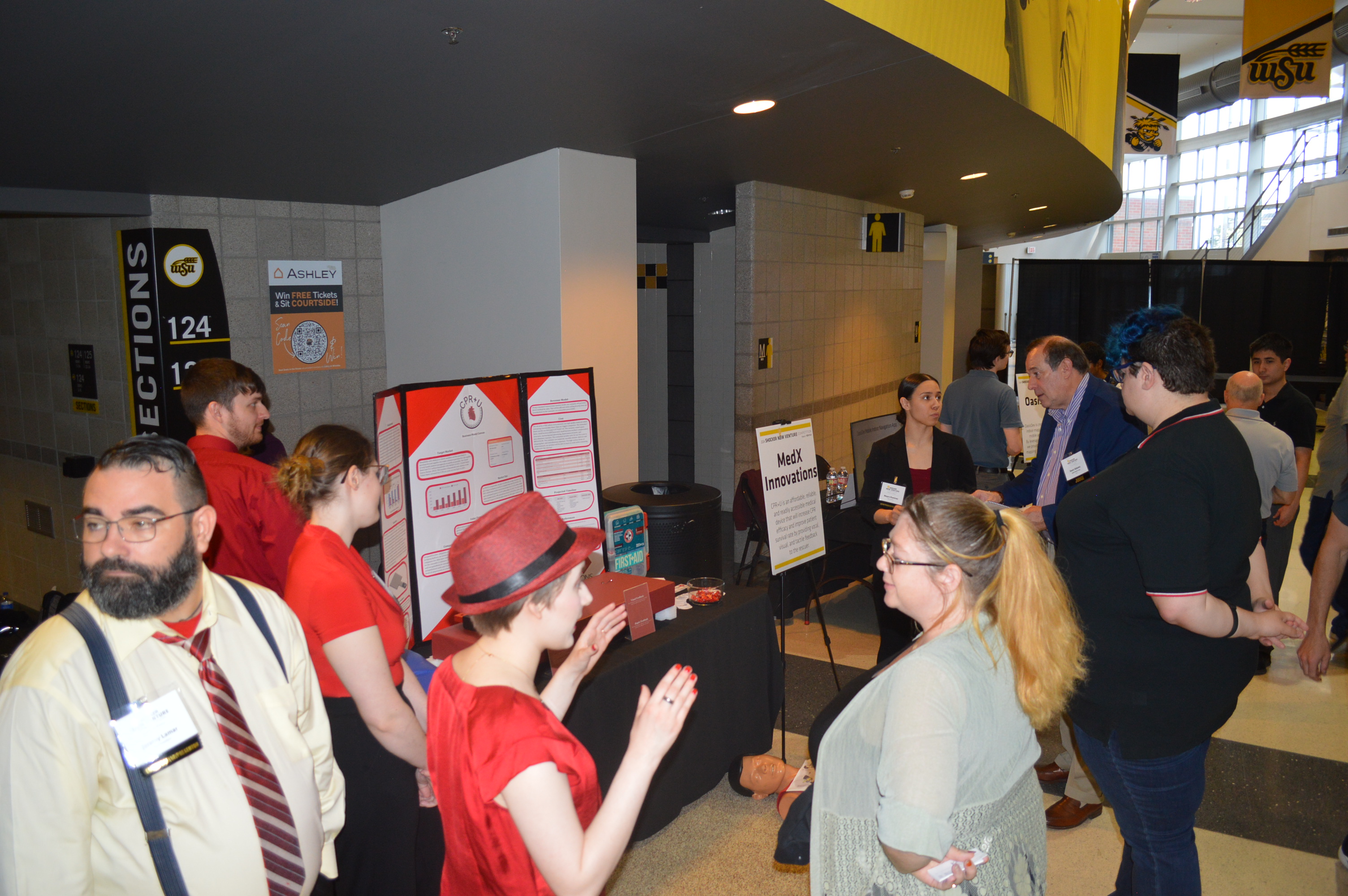
During clinical observations, the team behind MedX Innovations learned experienced medical professionals struggle with correctly administering CPR. For one medical professional, it took 25 years to discover "she was not allowing enough time between chest compressions for the heart to refill with blood. This mistake was not discovered until she performed CPR on a mannequin that provided real-time feedback while performing CPR." Mistakes made during CPR reduces the survival rate associated with performing CPR on a cardiac arrest patient. Their clinical observations inspired Mea Ames, Jeramy Lamar, Coewen Rains, and Mayra Ramirez to create CPR+U, the first product of MedX Innovations.
The MedX Innovations team designed CPR+U to give those performing CPR on a person real-time feedback. The feedback includes vocal CPR instructions in addition to a compression depth and speed indicator.
The Shocker New Venture Competition challenged the team behind MedX Innovations to expand beyond their engineering skillset and delve into "all the factors that go into taking the device to market and how these factors affect the potential customers or company finances." In this way, the competition helped the team "experience a small portion of what it takes to start a business."
"Go into the competition with a winner’s mindset and regardless of the outcome be
proud of your hard work and dedication."
- MedX Innovations Team
ColdPulse
3rd Place, $4,000
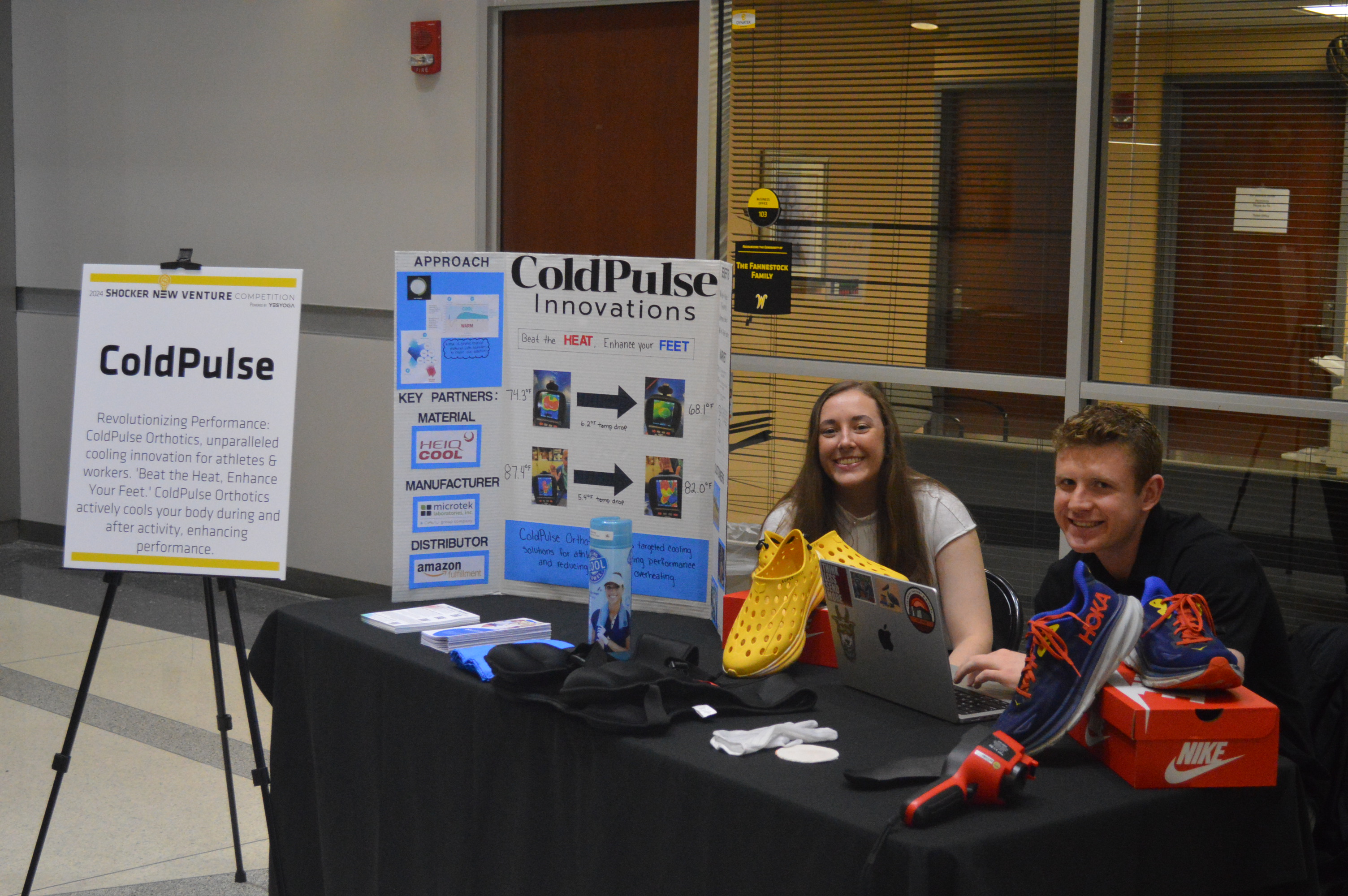
Working closely with their faculty advisors, Jarret Delancy, Wesley Horner, Adam Key, Shelby Partridge, and Aaron Sisco had their attention directed to “…a repeated problem of athletes not being able to cool themselves while training.” The overheating athletes experience “… leads to fatigue, destroying personal bests and hindering productivity.”
Recognizing this problem “… ignited us to start researching and designing solutions.” Their decision to focus on cooling orthotics was influenced by recently published research into cooling body temperature through the “…glabrous skin and arteriovenous anastomoses found in the feet.”
By competing in the competition, the team behind ColdPulse was given feedback that helped them pinpoint new markets and uses for their product. This helped them “…realize there is huge potential for our product.”
“I would advise anyone considering entering the competition—enter if you have any
passion for entrepreneurship. After you enter the competition, ensure you have done
great market research, and while you’re at the trade show have fun and be enthusiastic
about your company.”
- Adam Key
Fluency
People's Choice Award, $500
At a local cheeseburger joint, Cole McAuliffe, Andrew Gimino, Keenan Nguyen, and Stephan Buchanan grew to be familiar with a Spanish speaking chef. Their interactions with the chef inspired a desire to learn Spanish, and they began to explore different options on the market.
Finding no “language learning app that enables people to learn entirely through an app,” the team aspired to use AI to help them create the first: Fluency. They began working on creating an immersive app where “…users engage in conversations with A.I.-simulated historical figures, navigate real-world scenarios, enjoy interactive games, and expand their vocabulary.”
The competition exposed the Fluency team to a range of expertise, and “… the judges asked questions that have shifted our paradigms and put us on a path that we believe to have a higher chance of success.”
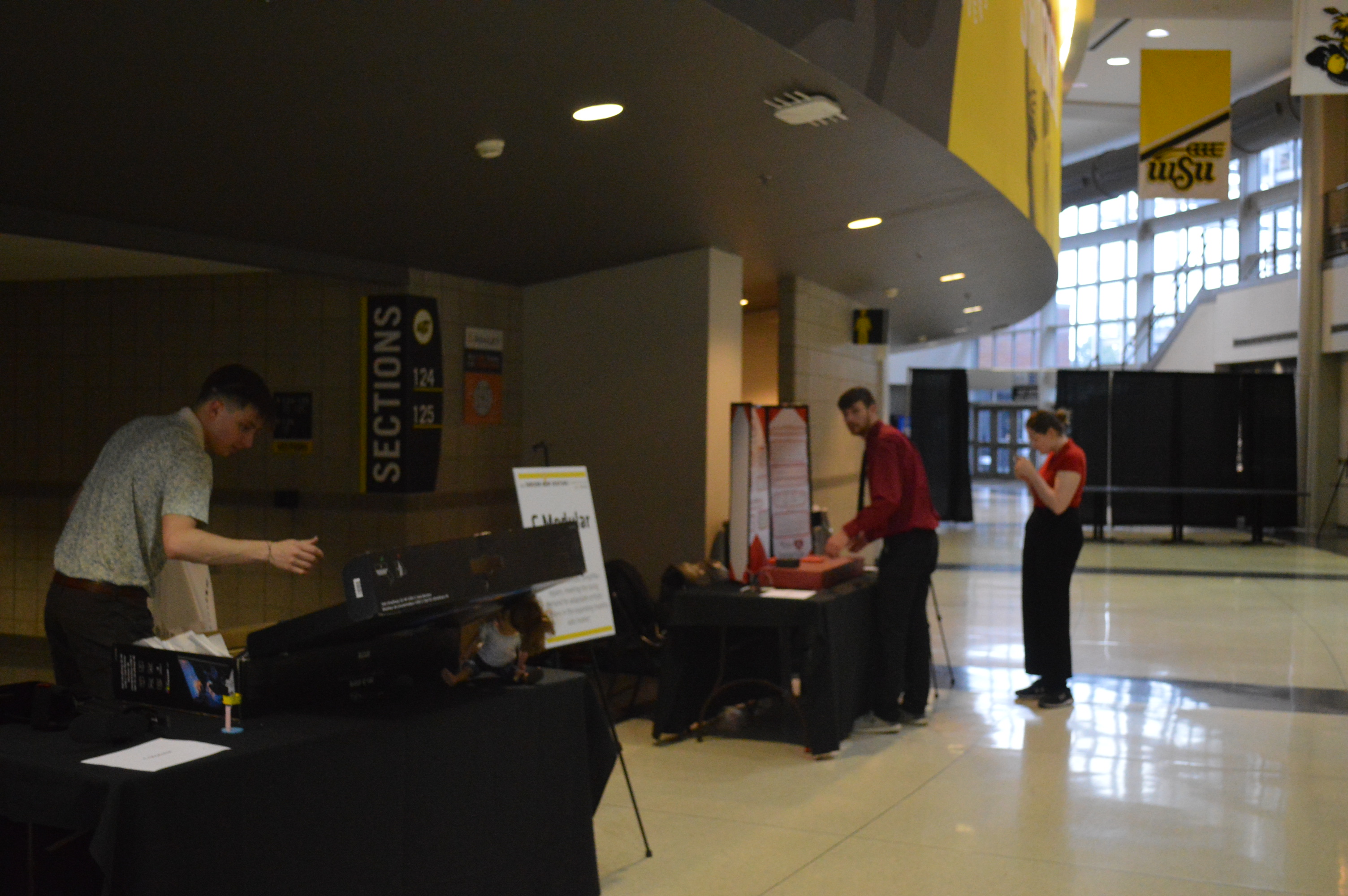
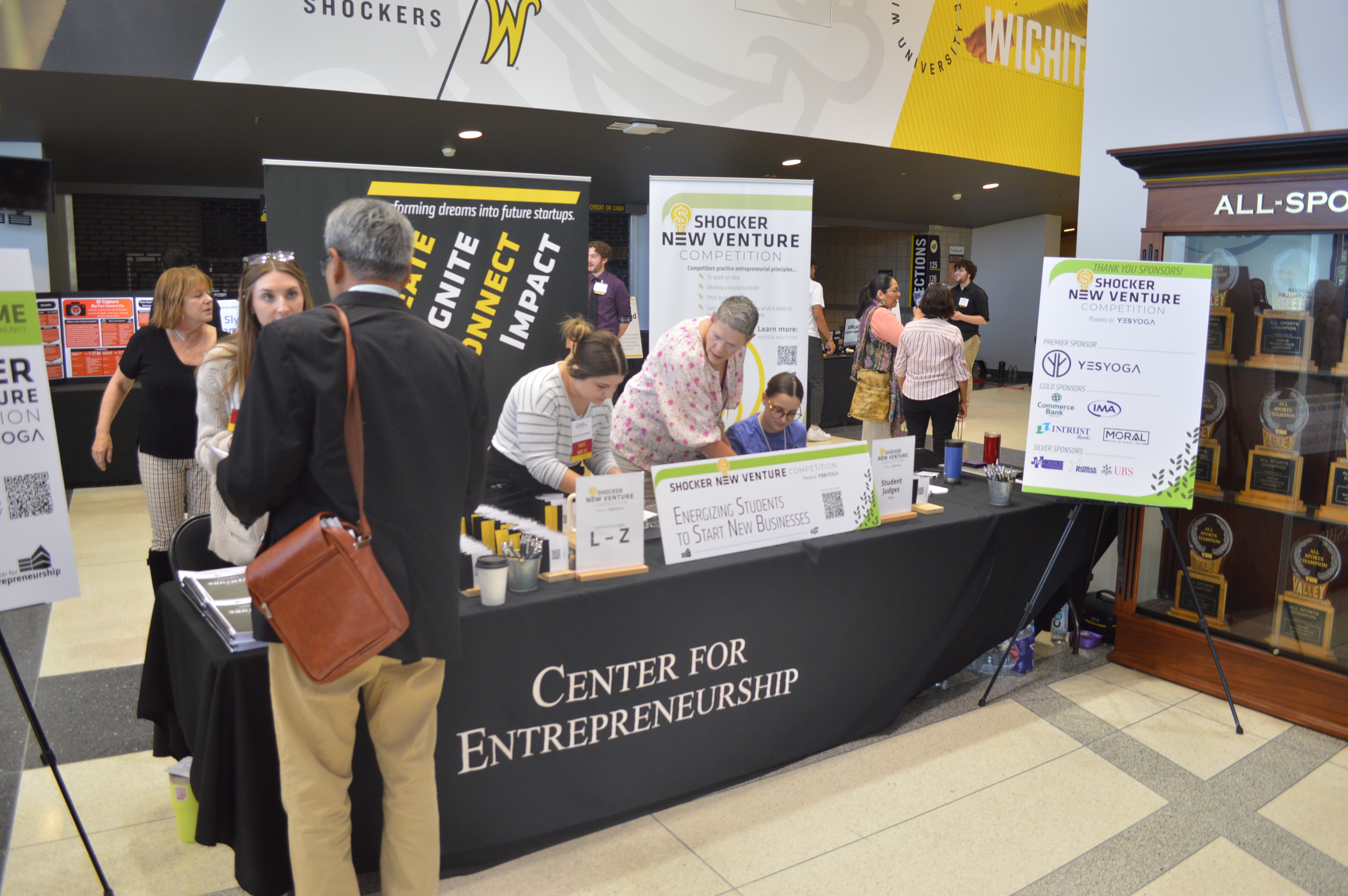
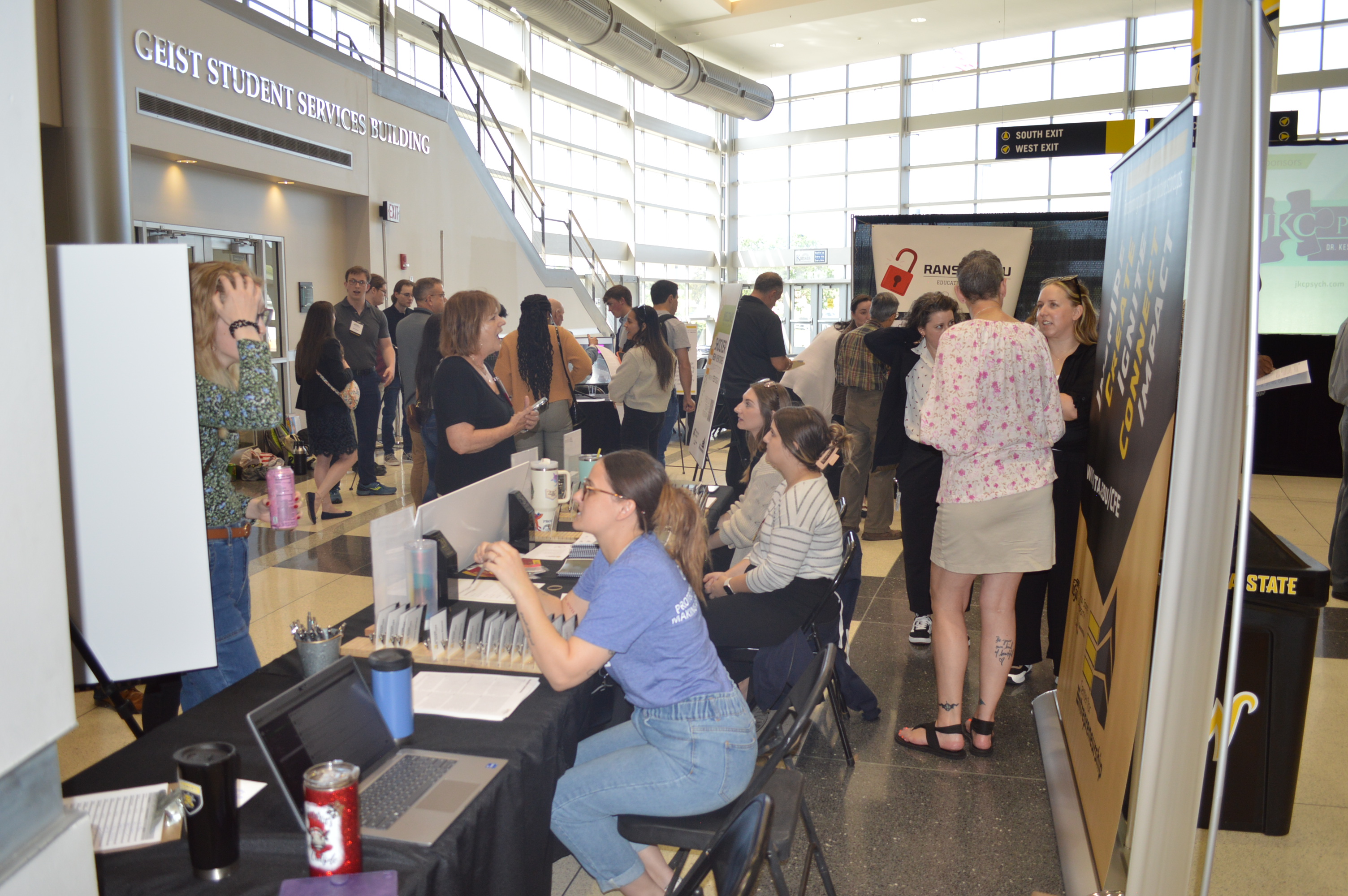
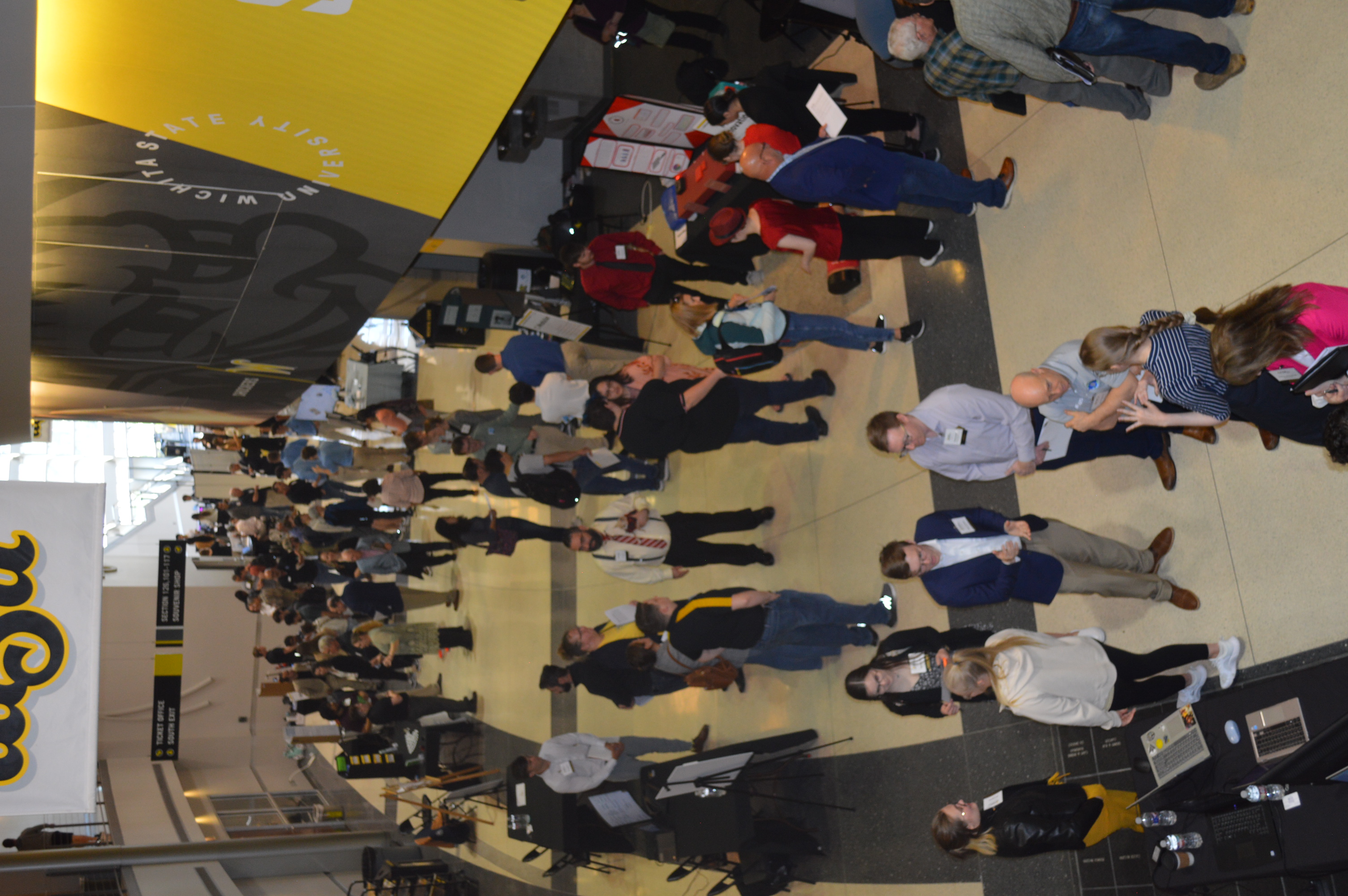
Expanding their team within a few weeks of the competition’s conclusion, the team behind Fluency is working to have a Beta program for their testers before the summer is over.
“Wichita is filled with entrepreneurs and SNVC does a phenomenal job of bringing together
a variety of different perspectives to challenge your ideas.”
- Fluency Team
2023 SNVC Winners
Students came together from varied backgrounds of study to compete in this year’s competition. The colleges they represented included:
College of Applied Studies
College of Engineering
College of Health Professions
College of Innovation & Design
Over the course of the three-round competition, the number of teams was narrowed from forty-one to four winning teams. Throughout the competition, competitors received feedback from the industry professionals, experts, and entrepreneurs who acted as judges.
We are proud to present the winners of this year’s Shocker New Venture Competition!
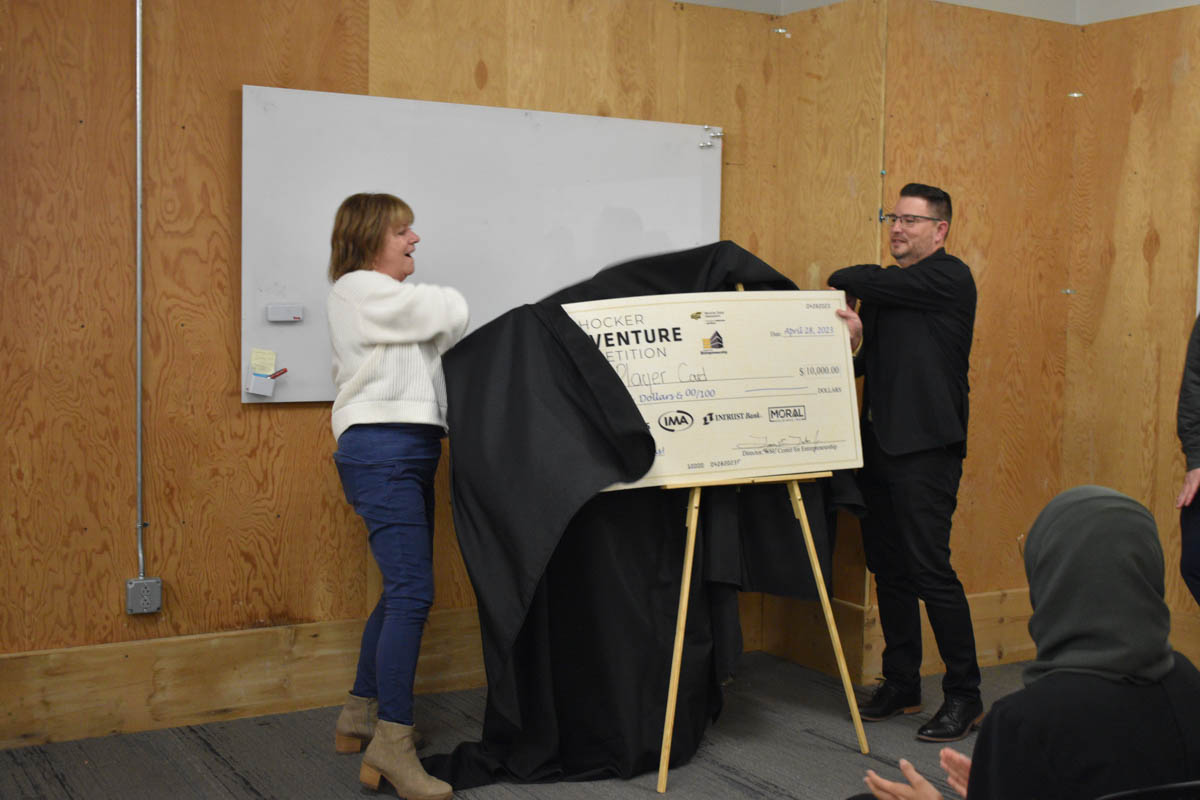
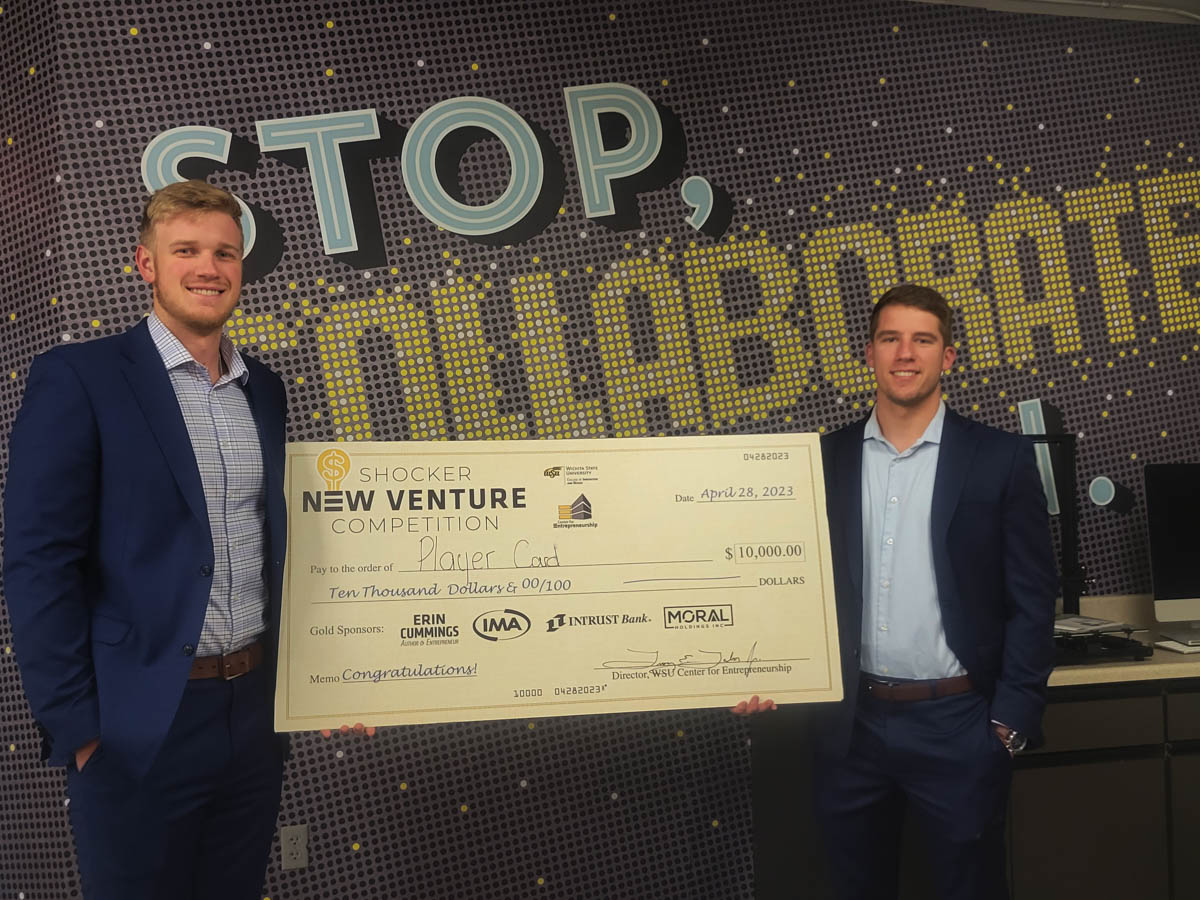
Player Card
1st Place, $10,000
Jacob O’Connor and Jon Peterson took note of changes in the NCAA legislation that allowed college athletes to profit from their Name, Image, and Likeness (NIL) and found their opportunity to make their passion into a startup. As Jon said, “Jacob and I started Player Card because of our love of sports. Varsity sports and AAU leagues were a large part of our lives in high school. We didn’t choose to play in college; however, we knew we wanted to keep as involved as possible.”
Their startup, Player Card seeks to “remove friction from the process of working with college athletes and create mutually beneficial interactions between the two parties.” To do so, they handle many processes including “deal generation, to athlete matching, schedule coordination, event facilitation, content creation, and athlete payment.”
Player Card is currently operating in Wichita. It is here Jacob and Jon have been able to test and refine their product, and they are now looking to expand their operations to Manhattan to capitalize off the recent good season their teams have experienced.
"The advice I would offer to someone looking to start a business or compete in the
competition is to just start. A lot of people get held up with “I need this or that
and then I’ll start my business;” it’s often an excuse we tell ourselves because we’re
scared/timid to take the first steps. There are low-cost ways to start your venture,
you may just need to get creative. When you start taking action towards your business,
good things will happen, and the right people will come along."
- Jacob O’Connor
Female Engineering Matters
2nd Place, $4,000
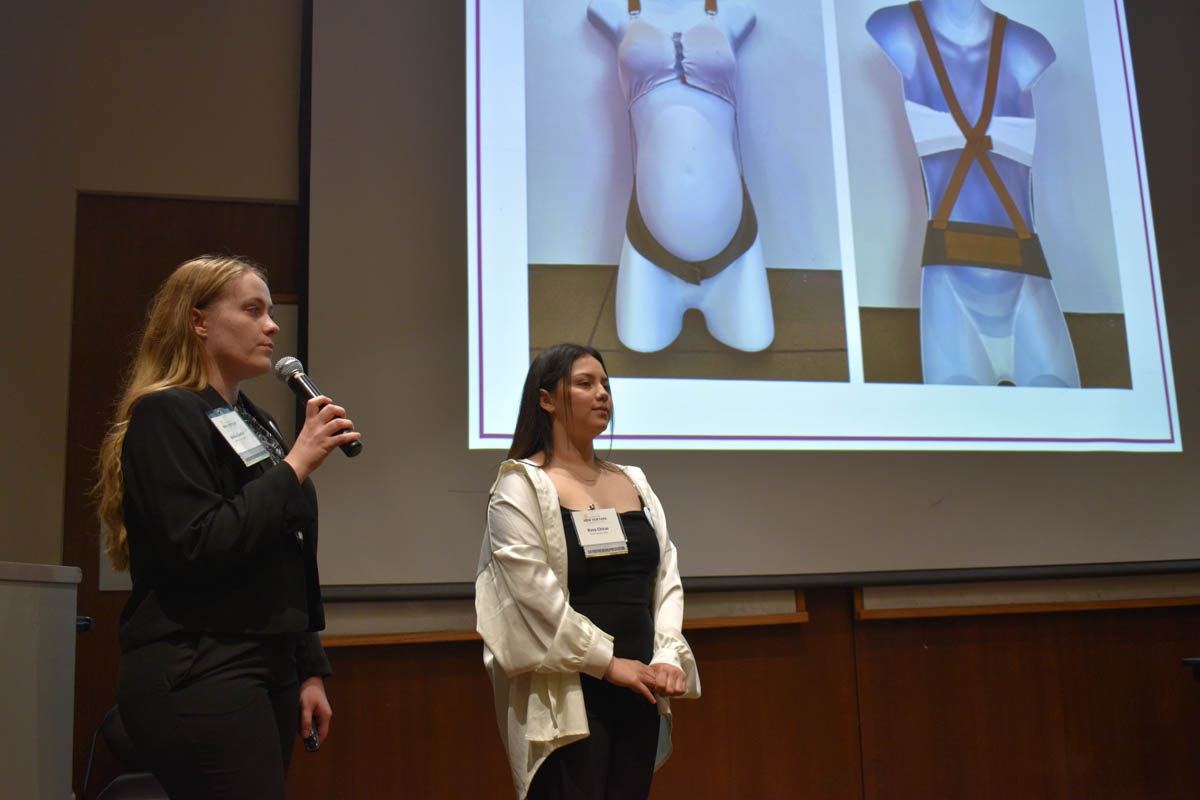
Rahmah Alsukayr, Rosa Chicas, Karen Duong, Jessica Gorton, and Angelica Perez “all personally related to one another as women, especially, as minorities who are still underrepresented in the Engineering community.” It was through this connection they were inspired to create the team Female Engineering Matters and to tackle an issue within women’s health: reducing lower back pain during pregnancy.
To address the problem they identified, they developed a product: Triple B Support. It is a wearable support system that alleviates “aches presented in the lower back, support the weight of the belly, and provide comfort for sore breasts.”
“You can truly do anything if you set your mind to it. When our team first formed,
we were all clueless and had zero idea what we wanted to do, how to solve any problems
or strive for our goals. If it’s scary and nerve wrecking, then you are in the right
place.”
- Karen Duong
Optimum Wellness
3rd Place, $2,000
Vision Vest
4th Place, $1,000
People’s Choice Award, $500
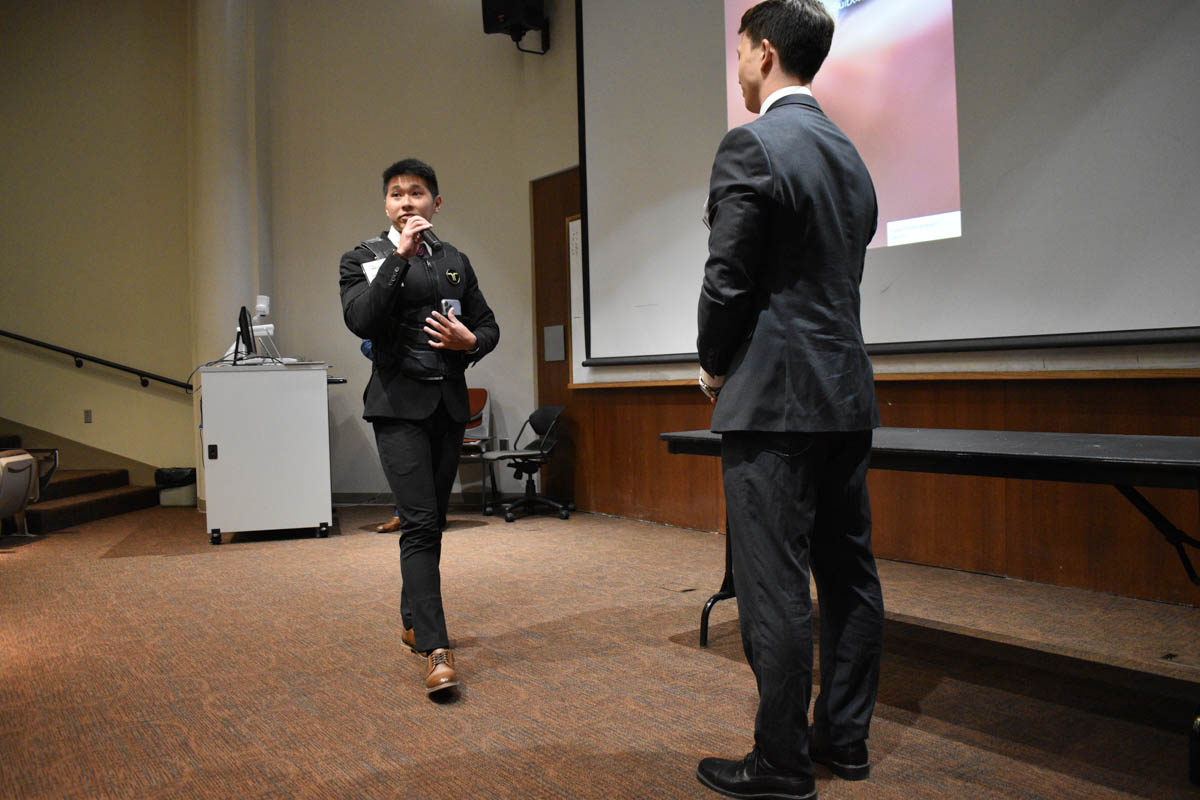
The curious nature of Grant Johnson, Jun Chang Teoh, and Keenan Nguyen left them "always needing to question ‘Why?’ and ‘How can it be better?’” Their curious nature led them to investigate how blind individuals navigate and to question the available options.
Vision Vest was developed as the team researched and interviewed blind individuals. Their product offers a radically different means of navigation to the traditional walking stick. They used haptic sensors placed within a vest to “empower those that are blind to navigate, avoid objects, and identify those objects” without directly touching them.
The team is still working to refine their prototype.
“The Shocker New Venture Competition allowed us to view our product through the lens
of a business and be asked questions that we would have never thought of on our own.
Ultimately the answers to these questions are what makes or breaks a successful business.”
- Grant Johnson
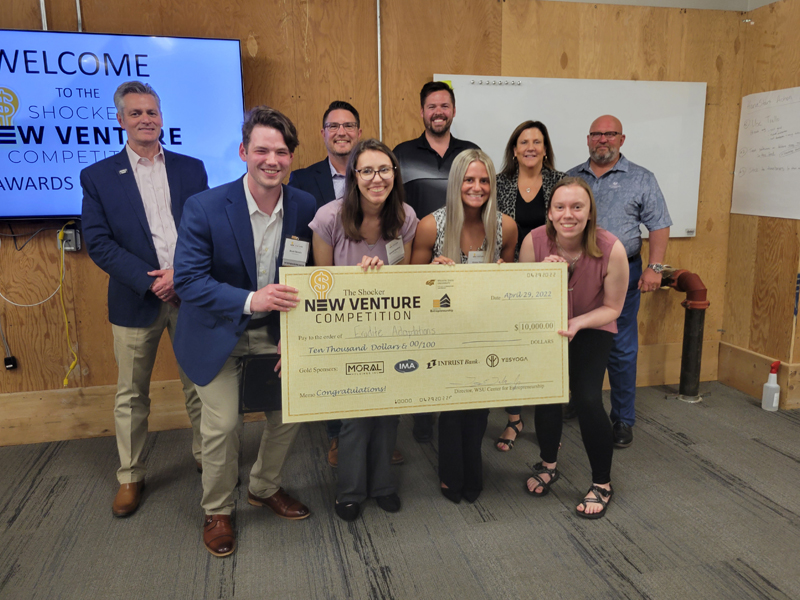
Erudite Adaptations
1st Place, $10,000
Their new venture is an adjustable cranial band that is used to treat infant cranial deformities. Their device will be sold to treatment centers all across America.
Artificial Motion
2nd Place, $4,000
People's Choice, $500
Novel system for a prosthetic socket that actively compensates for heat buildup and
volume fluctuation within the residual limb.
Agri-Tour 360
3rd Place: $2,000
Building the bridge between consumers and producers.
Osteofast
4th Place, $1,000
3D Printed Casts with healing Technology