

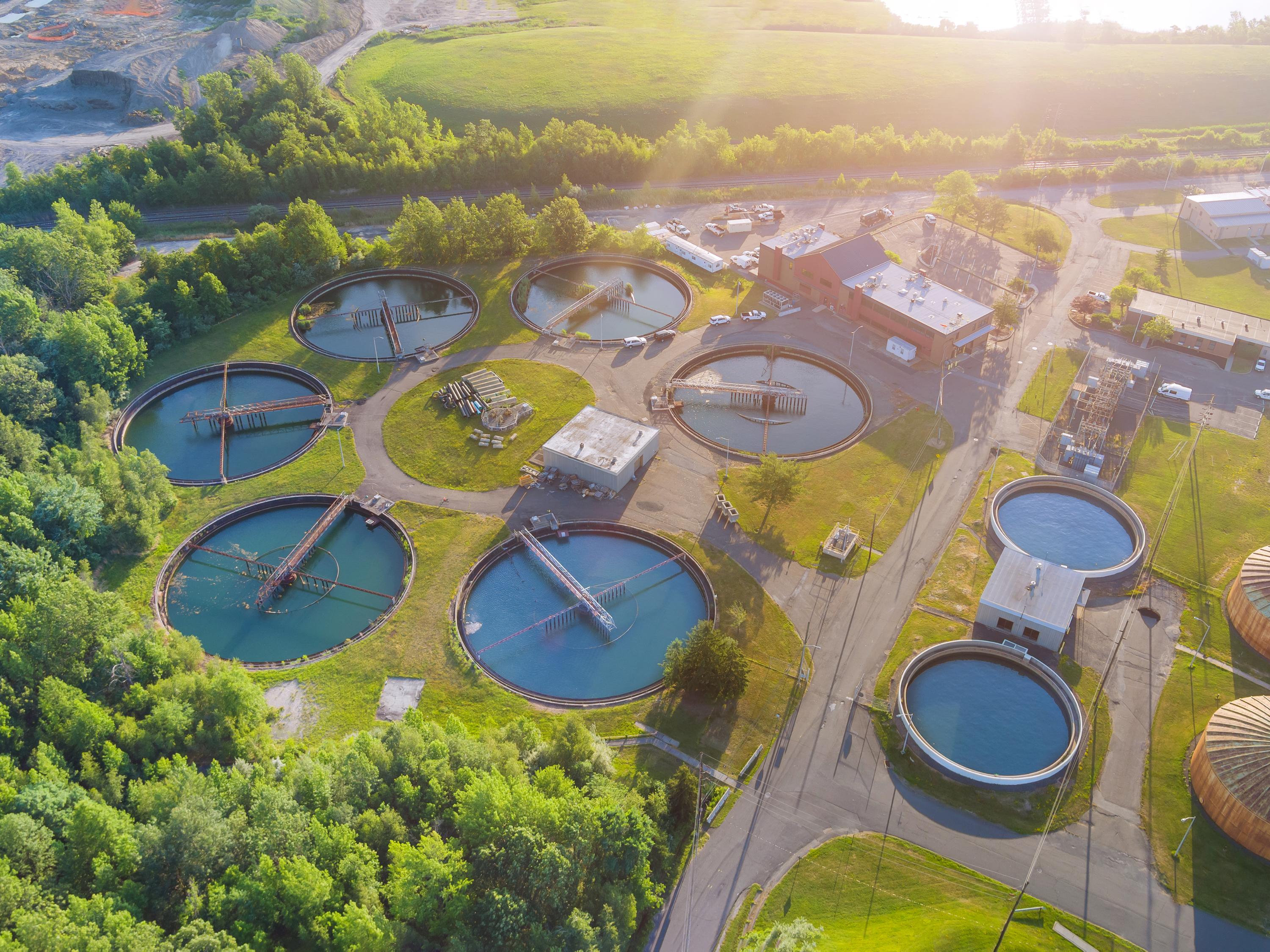
The Environmental Finance Center at WSU is one of several national technical assistance resources offered through EPA's RealWaterTA initiative, helping communities turn water infrastructure challenges into actionable projects and funding opportunities.
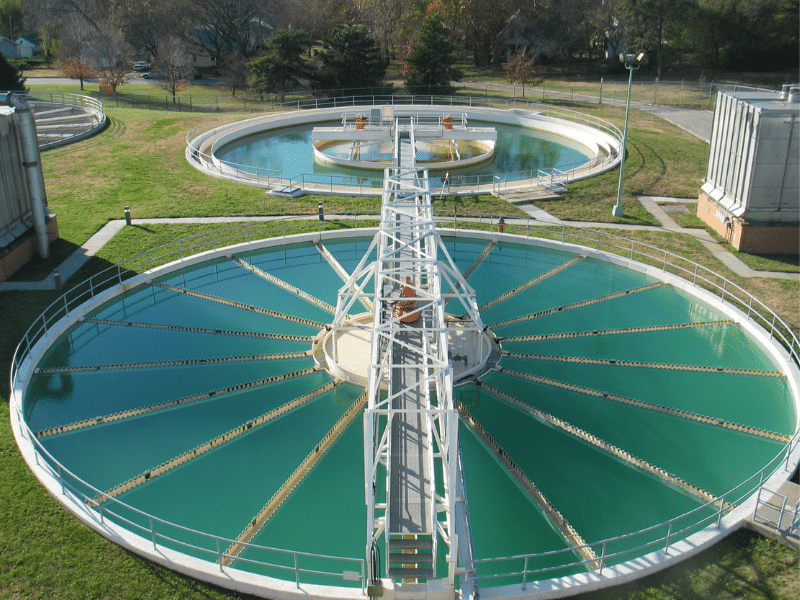
What is RealWaterTA?
EPA's Real Water Technical Assistance (RealWaterTA) initiative was created to ensure communities have access to the hands-on support needed to maintain safe, reliable water services and strengthen the long-term viability of their utility systems. The program provides free technical assistance to help communities access funding, meet compliance requirements, and plan for infrastructure improvements.
Many small communities face significant challenges in building and maintaining effective water and wastewater services, including limited financial resources, geographically dispersed populations, and difficulty attracting, training, and retaining system operators. Additional challenges may include limited managerial capacity, geographic isolation, and extreme terrain or climate conditions.
The goal of EPA's Real Water Technical Assistance (RealWaterTA) initiative is to connect water and wastewater systems with organizations that can provide the technical assistance, resources, and funding support needed to maintain compliance and strengthen utility operations. The Environmental Finance Center at Wichita State University is proud to serve as an EPA-designated RealWaterTA provider, helping communities address these infrastructure and operational challenges while planning for the future.
Technical Assistance Examples
- System compliance assessments
- SRF application support and assistance
- Project needs assessment
- Cost estimates
- Preliminary engineering reports (PERs)
- Rate assessment, rate-setting, and finance training
- Operator certification and training
- Asset management training and planning
- Identifying financial resources
- Capacity assessments, succession, and pipeline planning
- Capital Improvement Planning
- Board and Council Training
- RFP, bid, and procurement support
- Developing Emergency Response Plans
- Financial auditing
- NPDES permits and requirements
- Safe Drinking Water Act (SDWA) compliance
- Clean Water Act (CWA) compliance
- NEPA review and assessment
- Lead and Copper Rule guidance and planning support
- Disinfection byproducts
- Emerging contaminants
- Influent/effluent flow measurements
- Sludge monitoring and assessment via remote sonar boat detection
- Lead service line assessment and framework plan development
EFC Contact: Baylee Vieyra, Associate Director, Environmental Finance Center, Wichita State University, baylee.vieyra@wichita.edu, (316) 978-6921
This project has been funded wholly or in part by the United States Environmental Protection Agency under an assistance agreement to Wichita State University Environmental Finance Center. The contents of this webpage do not necessarily reflect the views and policies of the Environmental Protection Agency, nor does the Environmental Protection Agency endorse trade names or recommend the use of commercial products mentioned in this document, as well as any images, video, text, or other content created by generative artificial intelligence tools, nor does any such content necessarily reflect the views and policies of the Environmental Protection Agency.