

The Fairmount College newsletter is published two times a year. For information, contact Cheryl K. Miller, writer and coordinating editor, at 316-978-6659 or cheryl.miller@wichita.edu.
Photo credits: Cheryl K. Miller; courtesy photos; Wichita State University Libraries, Special Collections and University Archives
Newsletter Section Menu
New Dean Ready to Lead Spotlight on the Dean Dean's Message Lab to Give English Majors Learning Experences Research Grants Elevate Math Faculty NSF Grants for Mathematics Faculty Tenure and Promotion Student Accolades New Faculty Faculty and Staff Accolades In Memoriam
New dean ready to lead college and career-ready students
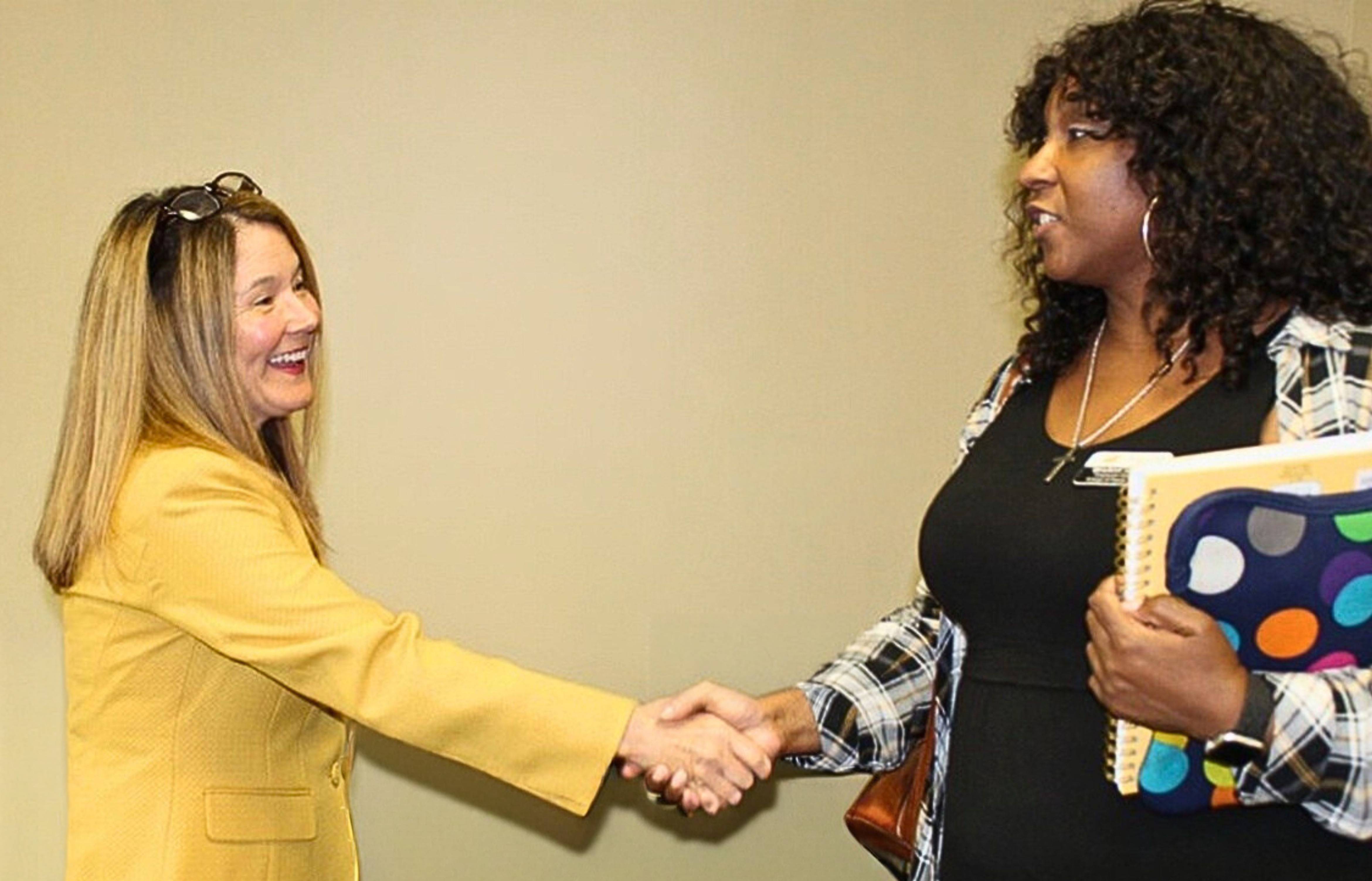
Bringing the liberal arts and sciences to real life, career-ready application is a primary motivation for Sarah Beth Estes as the new dean of Fairmount College.
“The disciplines in liberal arts and sciences have always provided students the durable skills that are important in an ever-changing economy, in an ever-changing world,” Estes said. “Durable skills such as critical thinking, effective communication, societal awareness, and scientific literacy create a timeless, abiding foundation for individuals to thrive and adapt personally and professionally.”
Estes finds the college’s graduation competencies requirement remarkable, particularly for the possibilities they present.
“As we move into having conversations about more structured career pathways in academic affairs, the nine college competencies are a good resource to have,” Estes said. "I’m really impressed by them. Having traditional roots is the wellspring of the university, and the way these competencies connect that in an arc to the future is inspiring.”
Opportunities and innovation
Two things that have impressed Estes most about Wichita State are its emphasis on applied learning opportunities for students and the amount of innovation taking place. She has referred to the university as unparalleled in this respect. And as she’s getting acquainted with each of the academic departments of the college, she has recognized the vibrancy of the faculty and the opportunities they bring to students.
“It’s not just teaching,” Estes said. “It’s also curating opportunities for students and the rest of our community. Faculty are connecting students to real world experiences where they can apply what they are learning in our classrooms to investigate their interests and develop new ones.”
The Become More campaign has also caught her attention.
“I think that really resonates and I think the ability for disciplines to add their own kind of flair to that is special,” Estes said, referring to the ability of departments to use adjectives on the Become More graphic to express an aspect of their fields of study. For example, chemistry and biochemistry uses “Become More Reactive,” and political science uses “Become More Engaged.”
“That’s a really clever way of creating a liberal arts and sciences identity for students across the diverse disciplines in the college,” Estes said.
As Estes draws up plans for the future of the college, she will do so primarily using two lenses: collaboration and institutional perspective.
“How we provide a quality student education can’t be answered in isolation,” Estes said. “It can only be answered in collaboration across the college and with other colleges.
“As we plan, we will consider what we are accountable to and have responsibility for. We will ask how does or should what we do in the college fit with the institutional picture at WSU.”
When it comes to challenges, Estes is a staunch defender of the value of a liberal arts and sciences degree.
“I think one of the biggest challenges is a narrative or belief that a college education, particularly in the liberal arts, isn’t worth it; it isn’t worth the time and isn’t worth the money,” Estes said.
But she says that narrative is not accurate.
“The data show that you can literally do anything with a liberal arts and sciences degree, and what you’re likely to end up doing is being a leader in whatever industry you choose to pursue,” Estes said. “Those durable skills lend themselves to that and you can see that in the background of leader after leader.”
She'd also tell students that they don’t need to know right now what they’ll be doing later.
“You don’t have to know today what you are going to be doing in five years. In fact, things are changing constantly so even if you think you know, things can change around us,” Estes said. “The power of a liberal arts education is that it equips you to not only adapt to those changes, but to shape them.”
Spotlight on the dean
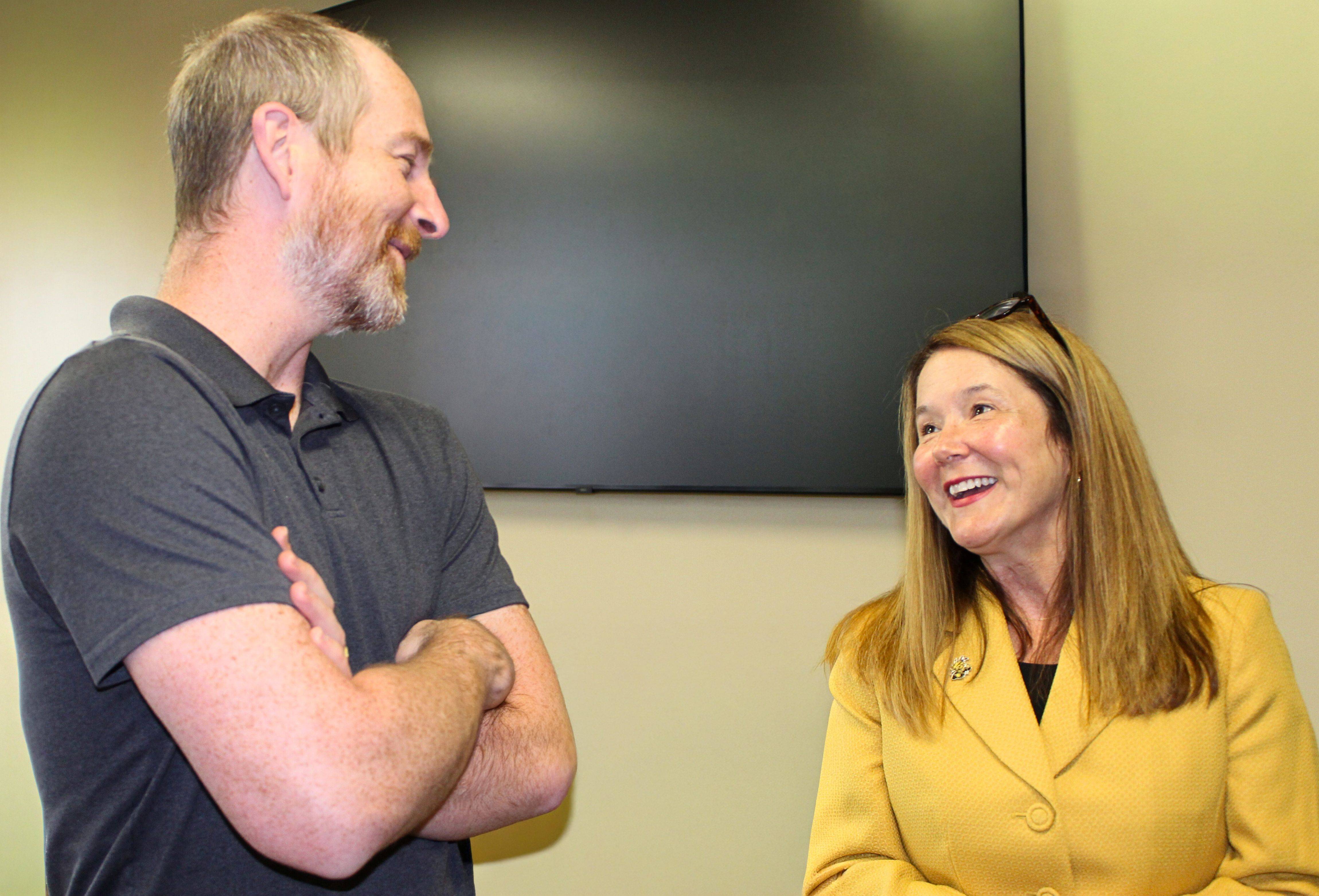
A social change class Sarah Beth Estes took while a junior at Hendrix College set the stage for her career path.
“I’m really fascinated by how we cope as societies and people with social change,” Estes said. “That course set the trajectory for everything I’ve done since that time, including moving into administration.”
It also led to a deepening interest in the social organization of work and family, and the effects work-family policy can have on individuals and communities.
As a sociology professor, part of her service in the Little Rock community was conducting research for and serving on the board of the Women’s Foundation of Arkansas. One research project she led was on the economic status of women in Arkansas.
“The proportion of women business owners in the state was highest in the Delta region,” Estes said. “When you reflect on that, it’s probably not surprising because there aren’t jobs. Women have to be entrepreneurs.”
Estes’s research was used by the organization to help Black women business owners to obtain microloans and other support for their ventures.
In addition to being a faculty member, she’s used her durable liberal arts and sciences skills as associate dean, associate provost and vice provost. Most recently she was the dean of the College of Humanities, Arts, Social Sciences, and Education at the University of Arkansas at Little Rock.
In addition to her bachelor’s degree from Hendrix, Estes also earned master's and doctoral degrees from the University of Iowa. All are in sociology.
Outside of work, Estes enjoys reading fiction and socializing with friends. She also likes to spend time with her two children, Elliot and Fletcher; life partner Rick; dog West; and cats, Pippi and Phil.
Dean's Message
Dear Fairmount College faculty, staff, alumni and friends:
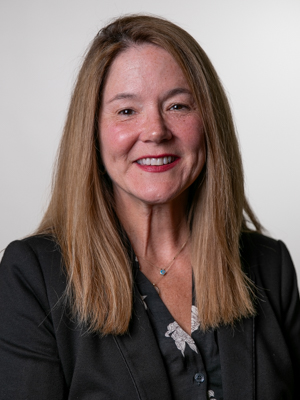
It is my honor to greet you as the new dean of the Fairmount College of Liberal Arts and Sciences. This college, where critical inquiry, creativity, and curiosity come together, served as the origin and is now the heart of Wichita State University. On the cusp of our 100th year, the college remains a place where students learn to ask deep and significant questions and to pursue answers with method-driven exploration. Our disciplines—whether literature, history, chemistry, mathematics, political science, philosophy or myriad other programs in the college—build thinkers, doers and leaders. This is evidenced in the generations of alumni who have carried the mission of Fairmount College to communities across the globe.
The college brims with purpose and momentum. This fall newsletter highlights a small portion of the recent achievements of faculty and staff, and some of the many exciting current innovations in the college. These include a new interactive book technologies lab and many grant-funded projects that are pushing the boundaries of mathematical understandings.
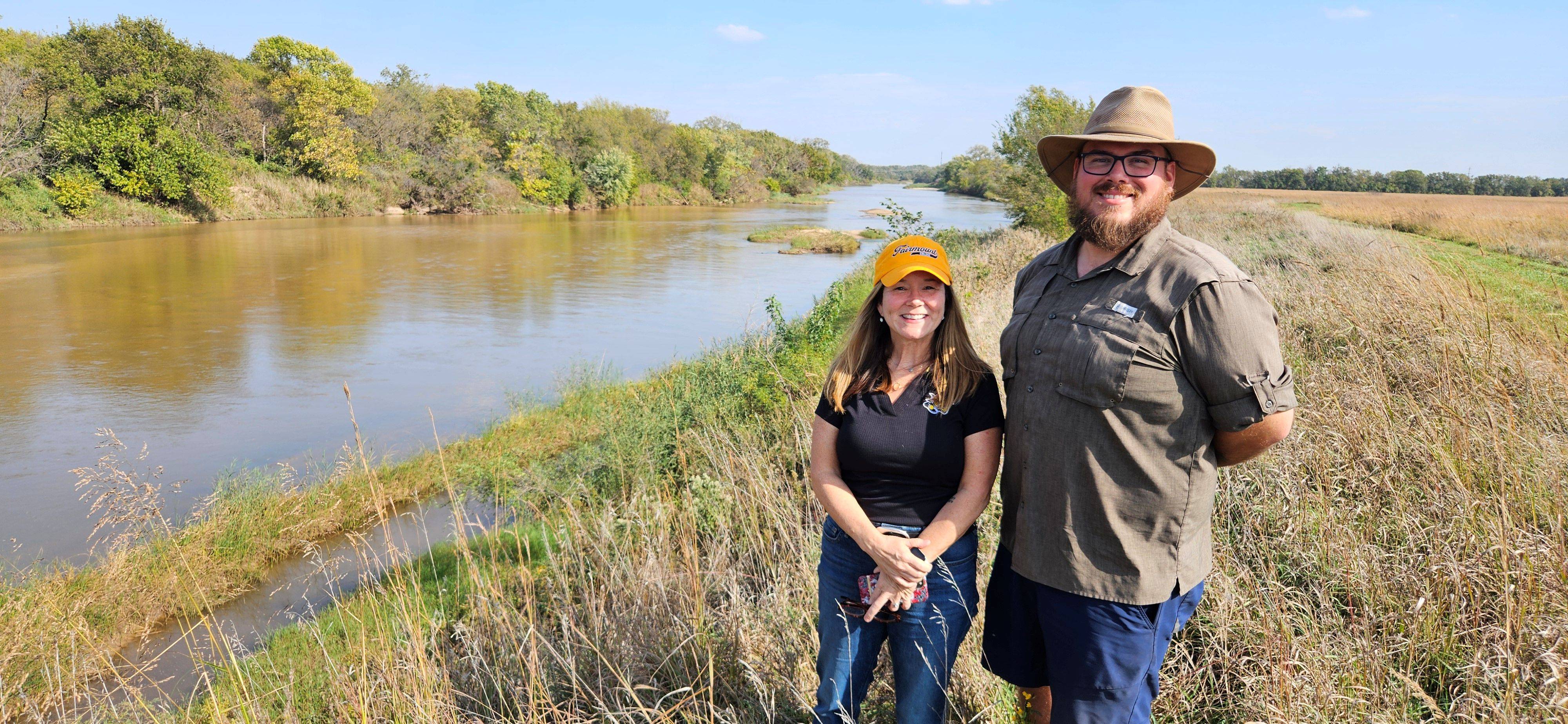
Indeed, daily I have the privilege to witness and support the engaged work of faculty and students that reflects the foundations that bind our diverse disciplines together. For a recent example, this fall I had the opportunity to give a welcome at the annual Hugo Wall School of Public Affairs conference where alumni, students, faculty, staff, and community partners gather around a shared commitment to the public service that fuels our communities. Later that same day, I made my first visit to Ninnescah Reserve, one of the four field station sites managed by the Department of Biological Sciences, where researchers and students study other kinds of communities—those that sustain our natural world. These communities are composed of soil and water, and of roots and wings, teaching us what interdependence looks like in nature’s language.
Whether in a classroom, a lab, a city hall, or a prairie ecosystem, the faculty and students in Fairmount College cultivate curiosity and collaboration to understand how lives, systems and ideas intertwine. This pursuit reminds us that what we do here extends far beyond campus, shaping communities, ecosystems, and futures we all share. Thank you for your part in our endeavors. I appreciate your continued support, your involvement, and your commitment to the liberal arts and sciences. Together, we will continue to shape a future grounded in knowledge and purpose.
Sarah Beth Estes
Dean of Fairmount College and professor of Sociology
New lab to give English majors innovative applied learning experiences
From using feather quills to setting up 3D printing, students can learn about various aspects of print history and bookmaking in the Cattoi Book Technologies Lab.
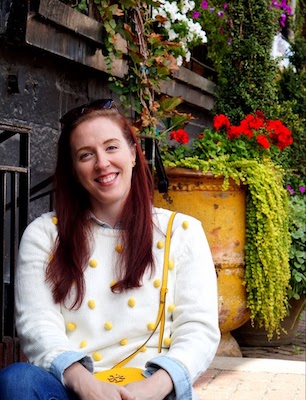
“It’s a space to make anything related to books,” Katie Lanning, associate professor of English, said about the lab. “Students can learn about the history of text technologies and the practice of creating texts in a dedicated place.”
Around the lab stand various workstations where students will complete their projects. An MFA candidate in the creative writing program might typeset a chapbook of their poetry, and print and bind a few copies using specialty paper. Another student might use the optical scanner to digitize an old book for preservation.
“A lot of our students are interested in publishing, and they’re interested in librarianship, so we want to give them that applied learning experience,” Lanning said.
Lanning believes the lab gives students new ways to think about what books are and what literature can do in society. Students, she said, can see how books are made, the type of labor involved, and how that labor is performed.
Claire Kelly is a student in the English master’s program and is considering applying for doctoral programs to continue her study of book history. As the lab’s docent, she helps other students use the various setups.
“As a student, I find the hands-on learning that the lab provides to be one of the most appealing things about it,” Kelly said.
The equipment available for student use makes the lab much more than a letterpress space. Although there are a few letterpresses present, students can also experiment with a plotter printer, or a typewriter or mimeograph machine. Students can also use traditional bookbinding equipment made of wood and metal with screws, or the thermal bookbinder to make paperbacks.
“Being able to understand historical practices of book production in such an interactive and creative space has been an indispensable part of my studies," Kelly said, “even in the short time that I have worked in the lab.”
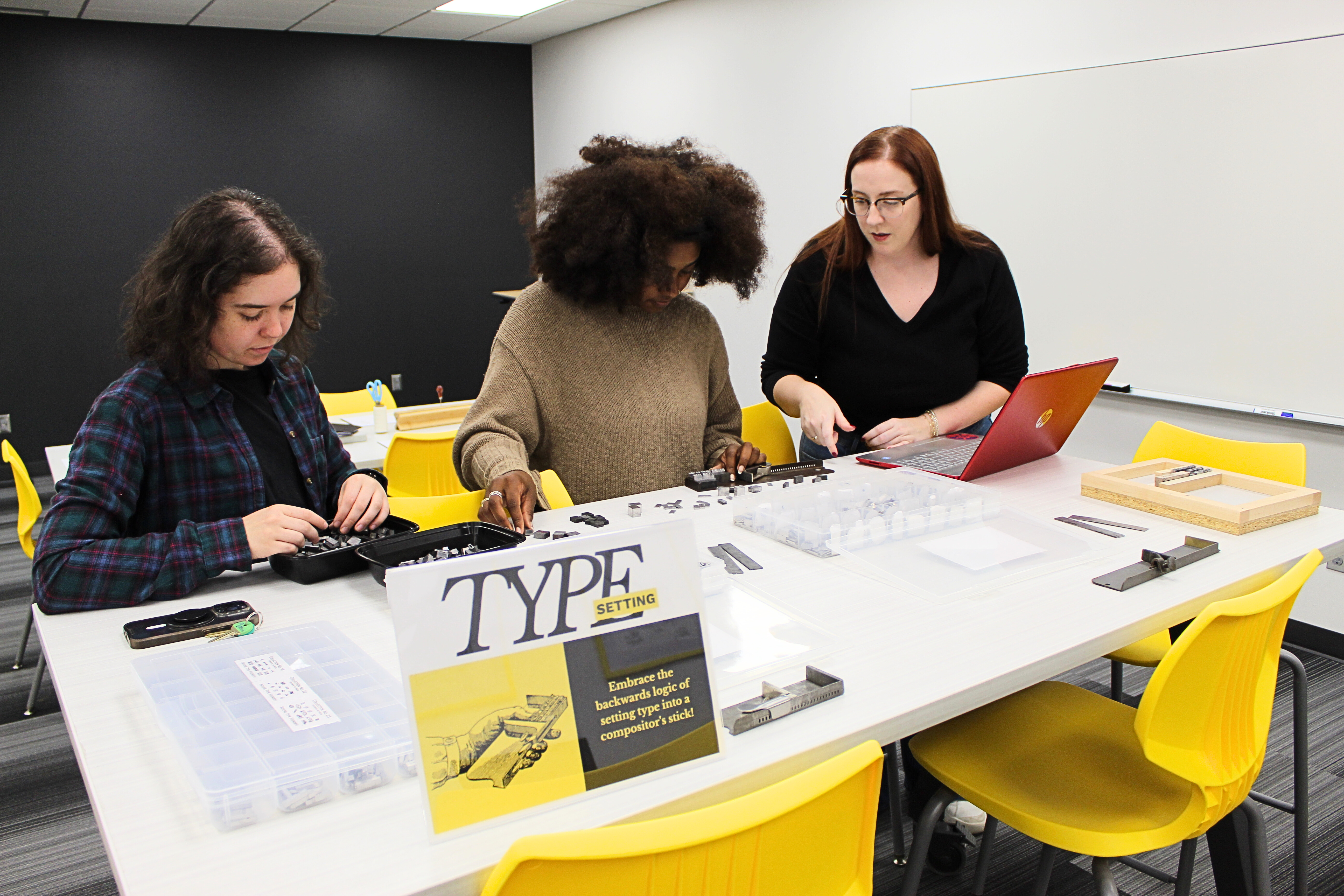
Fran Connor, associate professor and chair of the English department, thinks the lab will get students excited about studying literature by viewing it from a different angle.
“We want them to have fun with this. We want them to be creative and to understand how literature is made,” Connor said. “Things don’t just appear in the Norton Anthology. Every step in the process of making a book adds meaning to that text. We want people to be amazed by the possibilities of what they can do. We want them to think beyond that literature is having opinions about texts and to see it as a material, collaborative practice.”
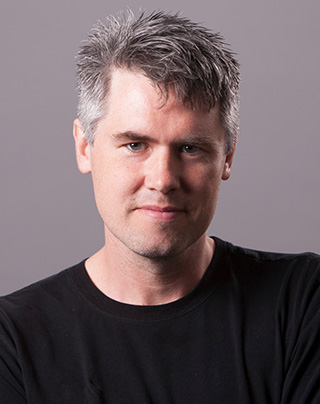
The book technologies lab is the only one of its kind at a public university in Kansas. During Wichita State’s Black and Yellow Days, where prospective students learn about the university, Connor and Lanning open the lab for prospective majors to see fun hands-on experiences that go beyond reading text.
“This lab is a space to visualize many ways that books exist in the real world,” Lanning said. “It helps students view the English major in that way, too.”
Lanning has had a few conversations with faculty in the School of Art, Design and Creative Industries, and said they’ve been excited about cross-disciplinary collaboration.
“It’s nice how interested they are in interdisciplinary work because this does feel like a really interdisciplinary space,” Lanning said. “If we can highlight what they are experts in and highlight what we are experts in together, that gives students a much fuller picture of what bookmaking can be than anybody could do individually.”
“The lab is a place for cross-discipline exploration, and a place where students can form community and connections,” Kelly said. “Whether students want to pick up a new skill, learn more about printing practices, or make their own zine, the lab has something for everyone.”
Students will also have the opportunity to include illustrations in their books.
“We have linocut material students can use with their hands and carve the block,” Lanning said. “We have also been making plates with a 3D printer and replicating some iconic early modern woodcuts. Then we put them in the letterpress. It’s all very exciting, I think, regardless of level of artistic talent.”
Creating linocuts and typesetting also requires students to visualize and think through things in unfamiliar ways.
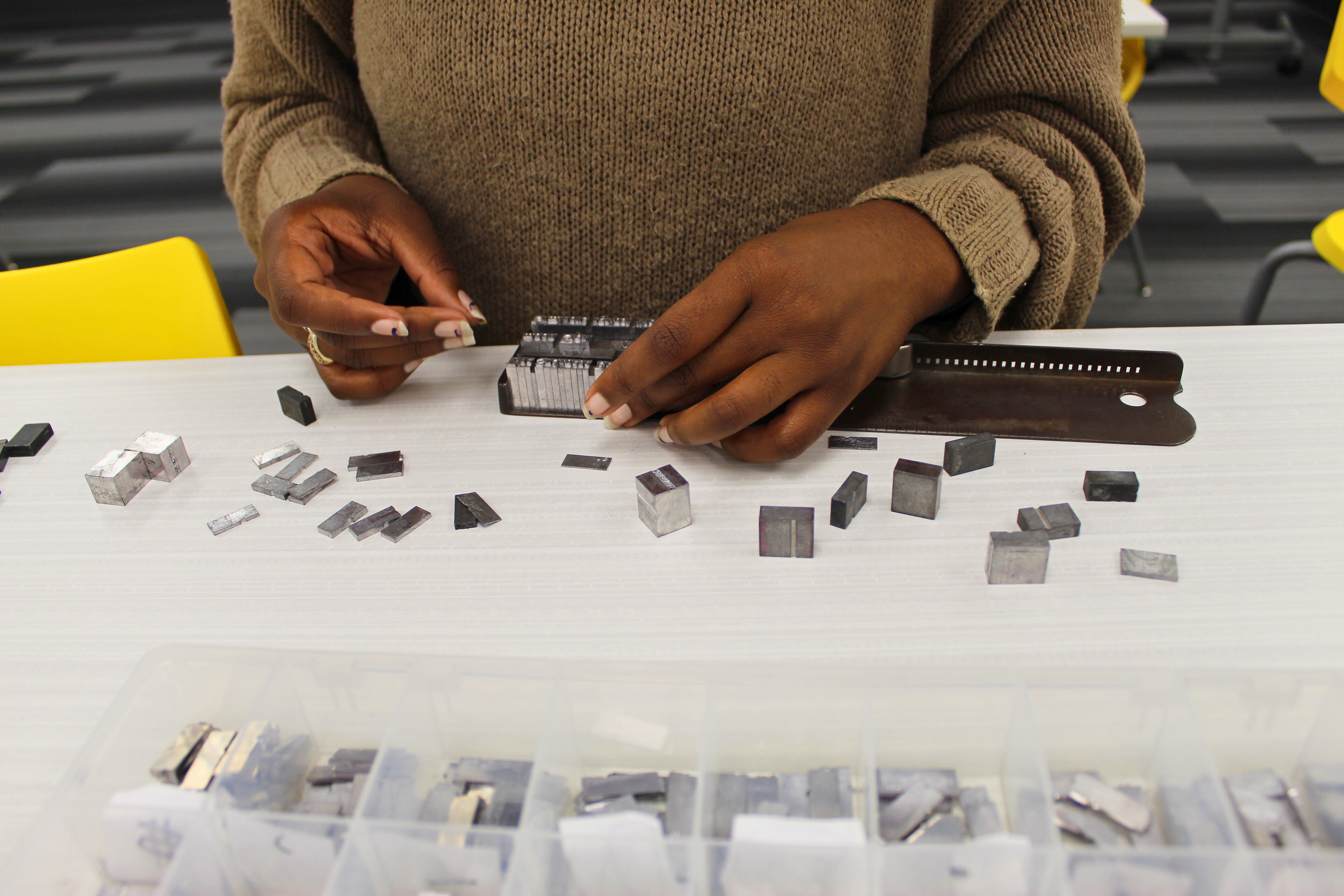
Zariah Perilla-Best sets type for her poem, "The Sudanese Beetle's Request."
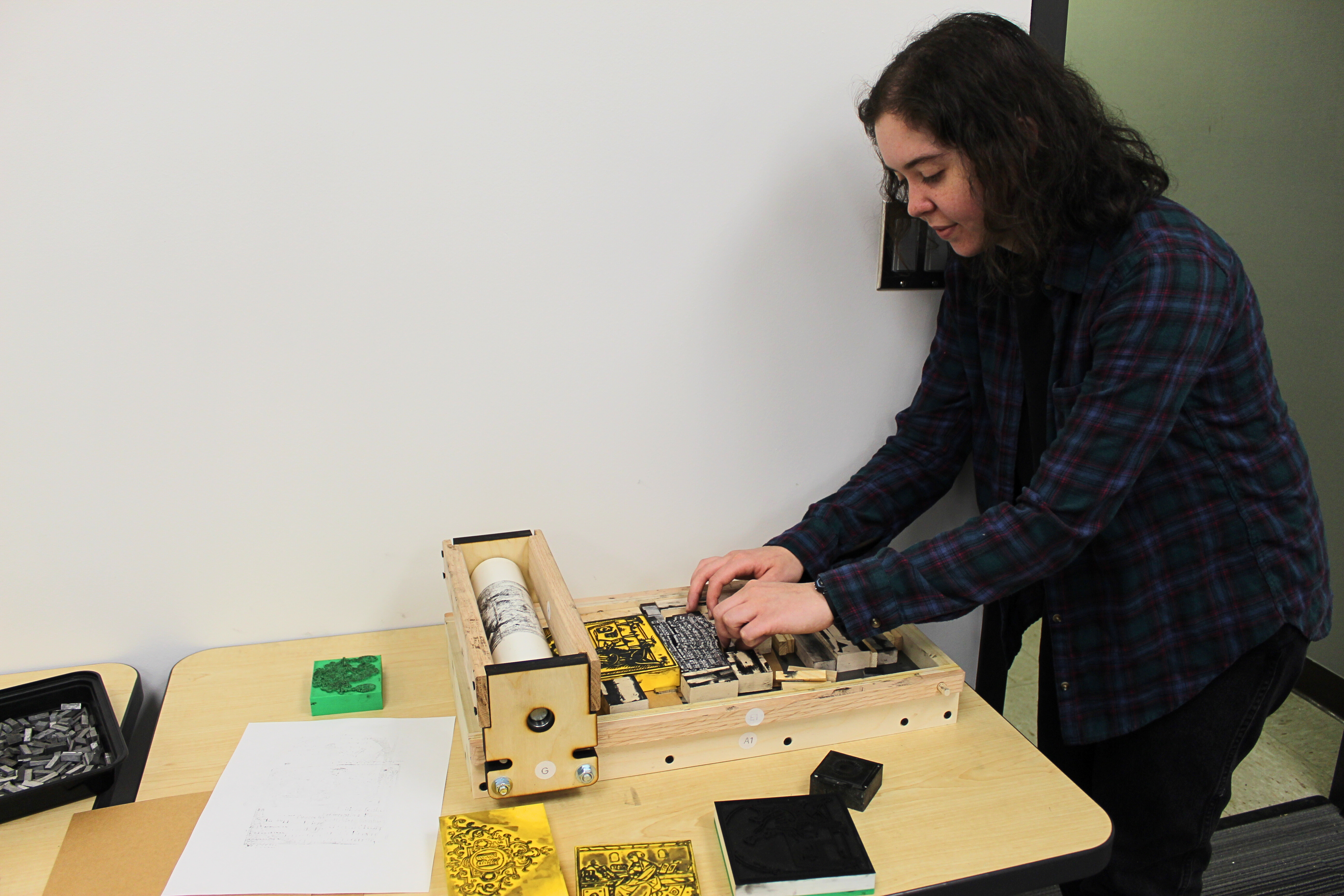
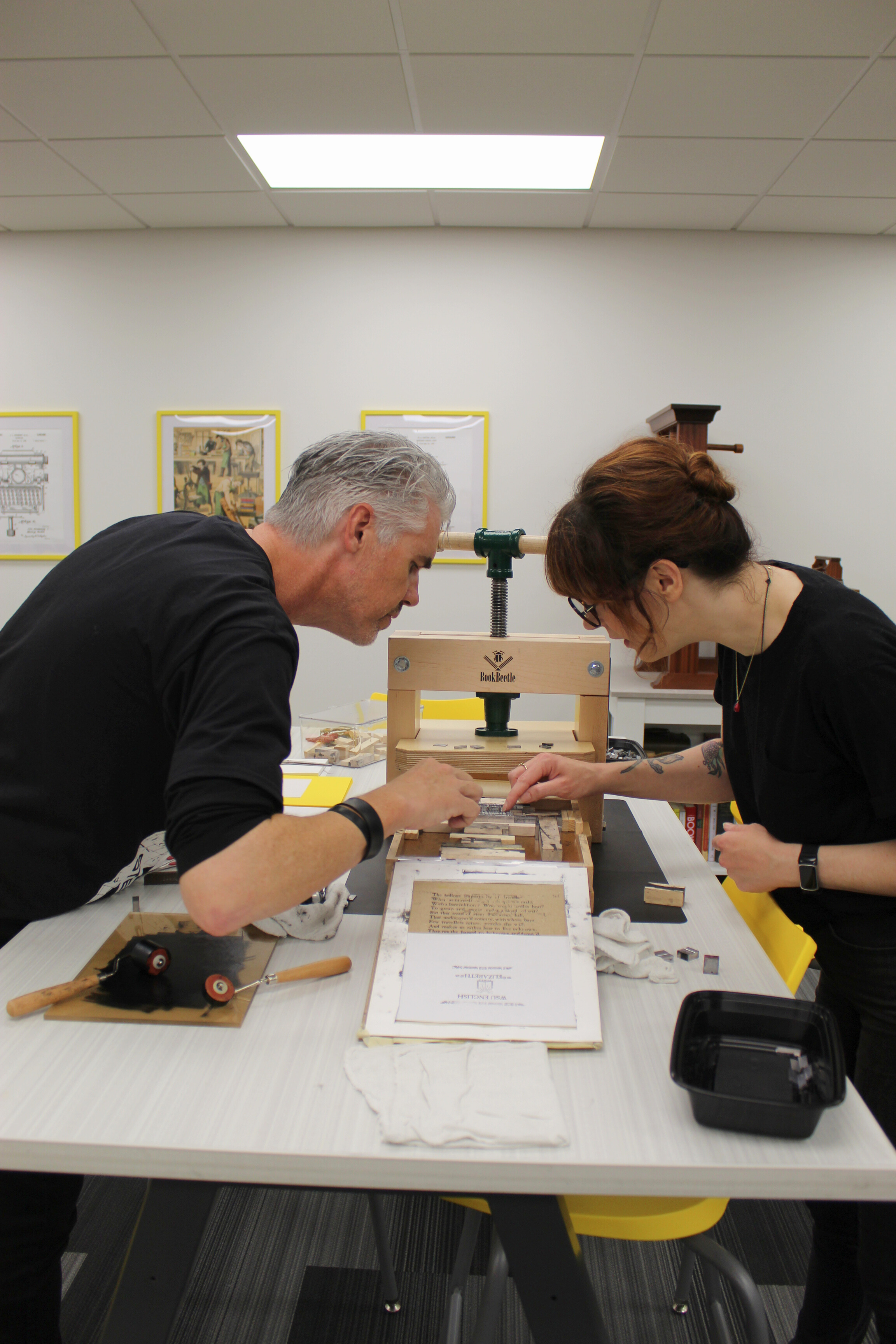
Claire Kelly adjusts the height of the type on the provisional press to get a good imprint.
“With so much of this lab, you have to be able to think backwards,” Lanning said. “It makes you think about how committed someone has to be to make this thing because it’s not intuitive to put all of the letters of your poem in backwards, and it’s not intuitive to carve away the negative space in a line of cut. It’s interesting logic that you have to adopt here.”
Although the lab has limited access currently, Lanning and Connor are discussing ideas about hosting workshops for the general community and local schools. This might include hands-on programs for creating zines (small batch magazine–like publications), binding books, or making personal items such as notebooks or journals.
“The number one motivation for wanting this space is to provide applied learning opportunities,” Lanning said. “Down the road we would like to pay students 10 hours a week to work here as a docent, lead seminars or perhaps create lesson plans for how faculty might want to use the lab. These experiences can set students up for what their next step is.”
Return to Newsletter Section Menu
Research grants elevate math faculty and their work
Five Wichita State mathematics faculty are on grant-funded journeys to improve and contribute to mathematical research.
Since 2022, the National Science Foundation has awarded a succession of large, multi-year grants to the five math professors that not only makes their research possible, but also raises the visibility of their abilities and talents.
“Having NSF funding is, to a large extent, a high honor for a researcher,” Ziqi Sun, professor of mathematics and chair of the Department of Mathematics, Statistics and Physics, said. “Especially for young mathematics professors, if they can get NSF funding it is like showing their strong scientific research capabilities and the recognition of their research results by the academic community.”
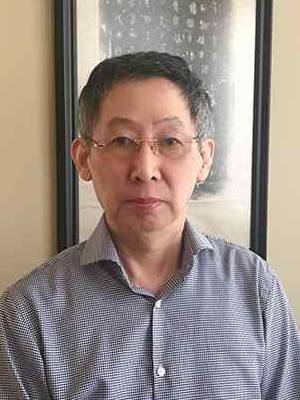
“There have always been one or two math faculty members with NSF grants," David Eichhorn, associate dean for faculty development and research, said. “This dramatic increase, especially among young faculty members, represents a huge step forward and signifies an exciting future for the department.”
Totaling a little more than $1.4 million, the NSF funds are being used to study aspects of numerical simulation, curvature and symmetry, geometrization with positive curvature, conformal geometry, Fourier analysis, and potential theory in multiply connected domains.
Three of the five NSF grants carry the designation of LEAPS-MPS, Launching Early Career Academic Pathways in the Mathematical and Physical Sciences. Sun said LEAPS-MPS funding helps kickstart careers and supports research conducted by pre-tenure assistant professors at R2 universities such as Wichita State, which traditionally receive less NSF funding. R2 institutions, a designation in the Carnegie Classification of Institutions of Higher Education, are doctoral granting universities with more than $5 million of annual research expenditures and a minimum of 20 research doctorates per year.
“For them, having LEAPS-MPS funding before obtaining tenure can lay the foundation for receiving regular NSF funding later,” Sun said.
Obtaining an NSF grant is no eay task.
“The NSF application process is considered highly difficult and competitive due to low funding rates, complex requirements, and a demanding merit review system,” Sun said. “The level of difficulty depends on the specific program, but all require a high degree of precision and compelling research.”
Sun also said that the large number of his department’s NSF recipients—nearly 30% of the unit’s tenure-track faculty—illustrates the overall strength of the math department.
“We expect to be among the top 100 mathematics departments in the United States within a few years,” Sun said. “NSF funding has increased WSU’s national visibility in mathematics.”
NSF grants for mathematics faculty
Grant recipients describe below how their work could be used directly and indirectly in real-life applications.
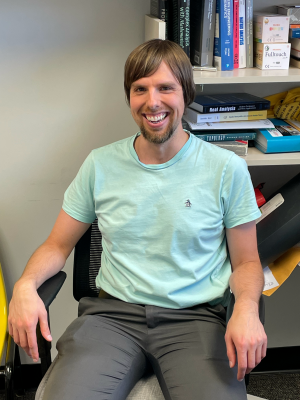
Robert Fraser, assistant professor, $210,000, July 15, 2025 – June 30, 2028 for “Algebraic number fields in Fourier analysis and fractal geometry.”
“My research is in the area of Fourier analysis, which has applications in signal processing (such as audio or image processing), the study of heat transfer, and any kind of periodic real-world phenomena. I work in the area of particularly rough signals (measures supported on fractal sets), that provide extreme examples of behavior for the Fourier transform. These examples come from the mathematical fields of algebra and number theory.”
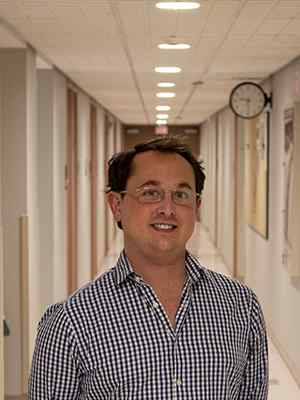
Christopher Green, associate professor, $247,390, Jan. 1, 2026 – Dec. 31, 2027 for “LEAPS-MPS: The computation of special functions in potential theory in multiply connected domains.”
“Potential theory is the study of functions satisfying Laplace’s equation, an elliptic partial differential equation of widespread scientific importance. A deep understanding of these functions provides valuable insight into many physical processes. Potential theory is arguably far less well understood in geometries containing regions with “holes,” which often arise in practical problems in biology and engineering. We need to continue to develop new mathematical tools and new mathematical theory to understand how classical exact solutions can be generalized to describe physical phenomena in domains arising in modern practical problems. This project will enhance our understanding of fundamental potential theory through the computation of several important special functions in multiply connected regions.”
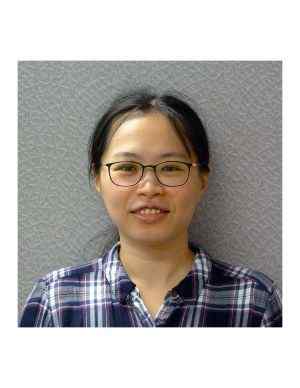
Yueh-Ju Lin, associate professor, $239,598, Sept. 1, 2024 – Aug. 31, 2026 for “LEAPS-MPS: Higher order partial differential equations in conformal and Riemannian geometry.”
“The central idea in differential geometry is to study how a space is curved and the connection with its topology, that is, its overall shape and structure. My research focuses on geometric problems involving higher-order partial differential equations that arise in conformal geometry, which examines the properties of spaces preserved under angle-preserving transformations. Conformal geometry enables efficient processing of complex geometric data and finds real-world applications in cartography, medical imaging, aerodynamics, and computer graphics. The specific class of fourth-order PDEs I study model physical phenomena such as the elasticity of thin plates (relevant in mechanical and civil engineering), the behavior of biological membranes (important in biophysics and materials science), and spectral problems with implications for vibration analysis and structural design.”
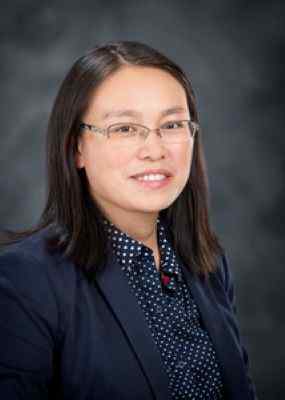
Yuan Liu, associate professor, $250,000, Sept. 1, 2022 – Aug. 31, 2025 for “LEAPS-MPS: Robust and high order numerical simulation for phase field modeling.” This award is funded in whole or in part under the American Rescue Plan Act of 2021 (Public Law 117-2).
“My project is about developing a general framework to simulate phase field models, which are widely used in scientific research to study how different materials interact and evolve. On the biological side, we are exploring how networks form, such as the branching patterns of leaf veins in plants or the growth of blood vessels in the human body. In materials science, similar approaches can help us understand how metals solidify, how cracks spread, or how batteries wear down over time. By improving the mathematical and computational tools behind these models, we make it possible to study many different real-world systems within a unified mathematical framework.”
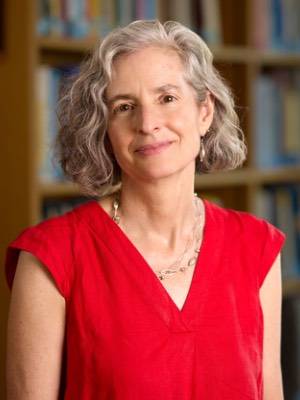
Catherine Searle, professor, newest grant: $200,000, Aug. 1, 2025 – July 31, 2028, previous grant: $261,767, Aug. 1, 2022 – July 31, 2026 for “Curvature, symmetry, and topology.”
“My work is in an area of theoretical mathematics, and applications of my work are mainly in other theoretical settings. I explore symmetries of manifolds and other topological spaces that admit a lower curvature bound. A manifold is a higher-dimensional generalization of 2-dimensional surfaces such as the sphere or the torus (the outermost layer of a donut). My work focuses on trying to classify such spaces, a long-standing open problem in differential geometry, with the additional hypothesis of symmetries. I have created and continue to create techniques that can be applied in different theoretical settings to aid in classification problems. Differential geometry has many real-life applications in physics, engineering, chemistry, and other areas of science, such as robotics and computer graphics.”
Return to Newsletter Section Menu
Tenure and Promotion Activities, 2024-2025
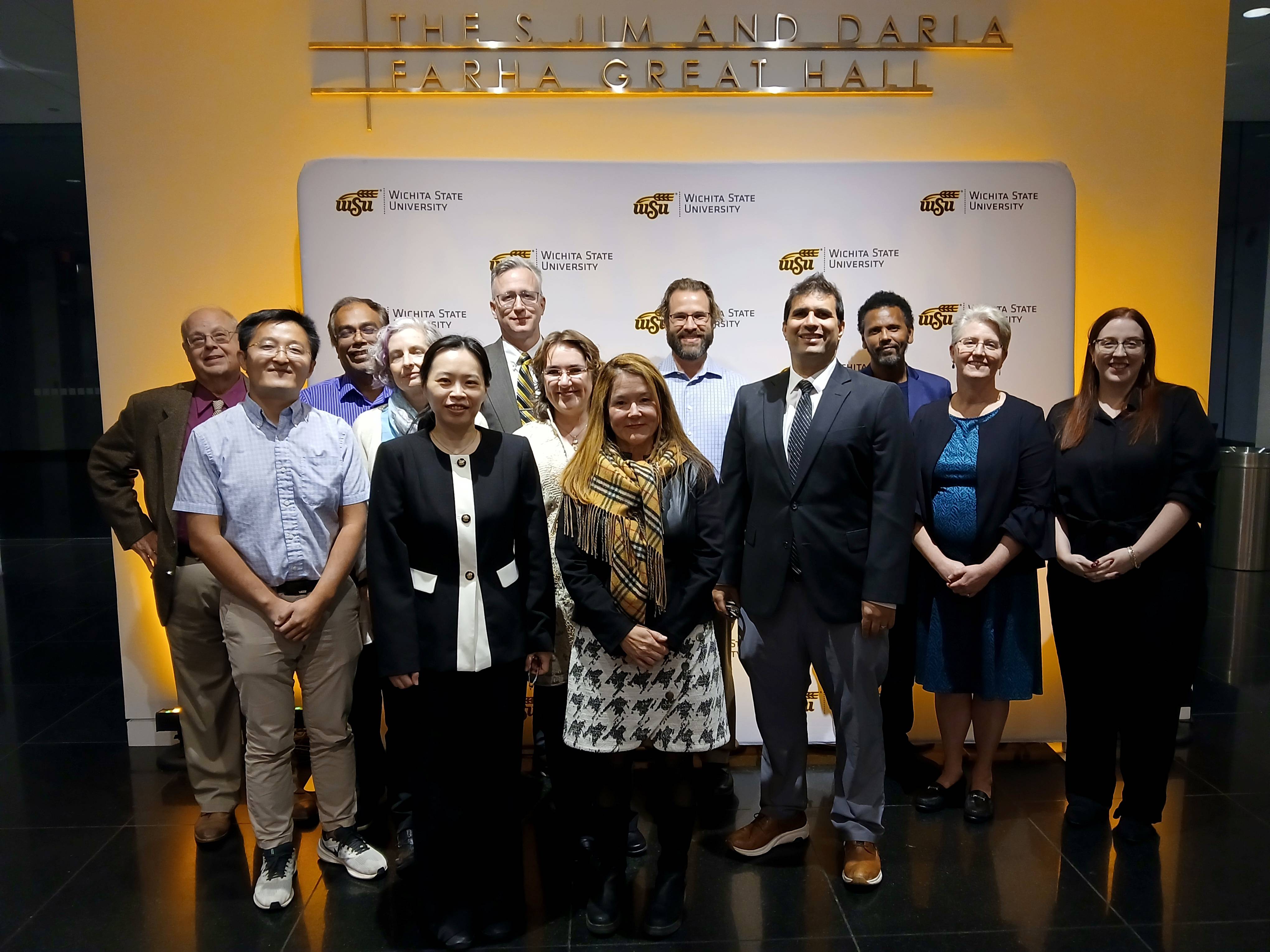
Professor Incentive Review
- Catherine Searle, mathematics and statistics
- Carolyn Shaw, political science
- Nick Solomey, physics
Promotion to Professor
- Lisa Parcell, communication
Tenure and Promotion to Associate Professor
- Kapildeb Ambal, physics
- Zelalem Demissie, geology
- Christopher Green, mathematics and statistics
- Katie Lanning, English
- Yueh-Ju Lin, mathematics and statistics
- Jian Wang, chemistry
- Thomas Luhring, biological sciences
Non-tenure Track Promotion
- Mark Arrasmith, mathematics and statistics
- Tinka David, mathematics and statistics
- Amy DeVault, communication
- Foudil Latioui, physics
- Colleen Scott, Spanish
- Richard Traverzo, physics
Student Accolades
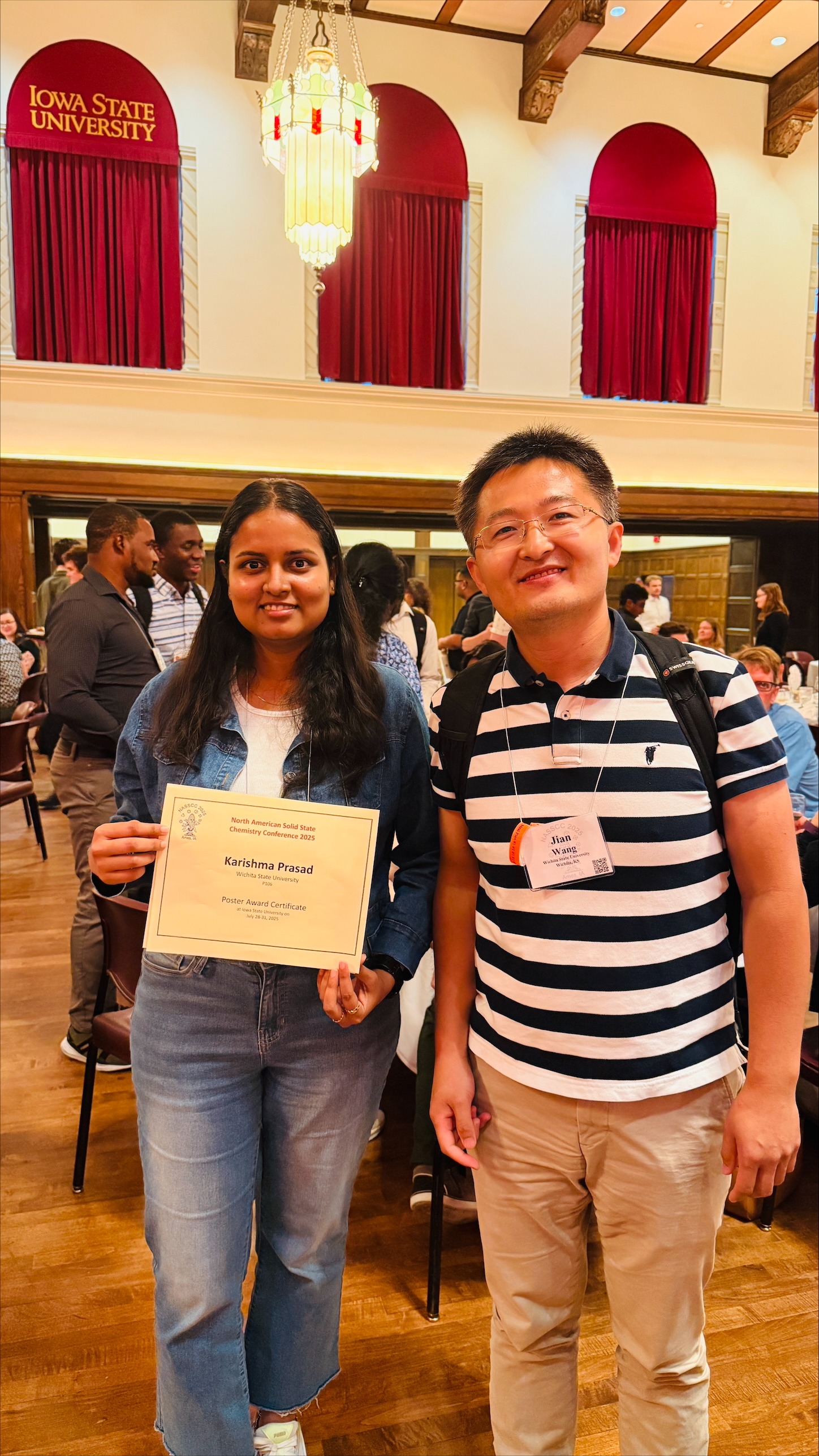
Karishma Prasad, doctoral student in chemistry, won the Best Poster Award at the 2025 North Amercian Solid State Chemistry conference. The title of her poster was “Searching for Potential Dirac Semimetals within the RE-T-Pn2 (RE=La-Lu, T=Zn, Ag, Cd; Pn=Sb, Bi) system.” Jian Wang, associate professor of chemistry, is her advisor.
The Sunflower, Wichita State University’s student news organization, won three 2025 Pacemakers in October from the Associated Collegiate Press. The Pacemaker is considered the premier honor for a student media outlet.
The Sunflower earned a Newspaper Pacemaker, becoming one of only two college newspapers in the country to have won a Pacemaker in this category in each of the last five years. The Sunflower also earned a Multiplatform Pacemaker, which judges a publication’s work across print, online, newsletter, social media, and audio and video platforms.
For the first time, The Sunflower earned an Innovation Pacemaker for the staff’s work through the Wichita Journalism Collaborative. As a founding partner of the WJC in 2020, Sunflower staff have and continue to work closely with community partners and leaders in journalism, finding and telling important stories about the COVID-19 pandemic, mental health and housing.
Undergraduate staff members of The Sunflower attending the conference included Maleah Evans, history; Kass Lewis, journalism and media production; Piper Pinnetti, journalism and media production; Zach Ruth, journalism and media production; Mya Scott, journalism and media production; Garima Thapa, communication-open emphasis; Emma Wilks, integrated marketing communication; and Taliyah Winn, political science. Amy DeVault, senior educator in communication, is the advisor.
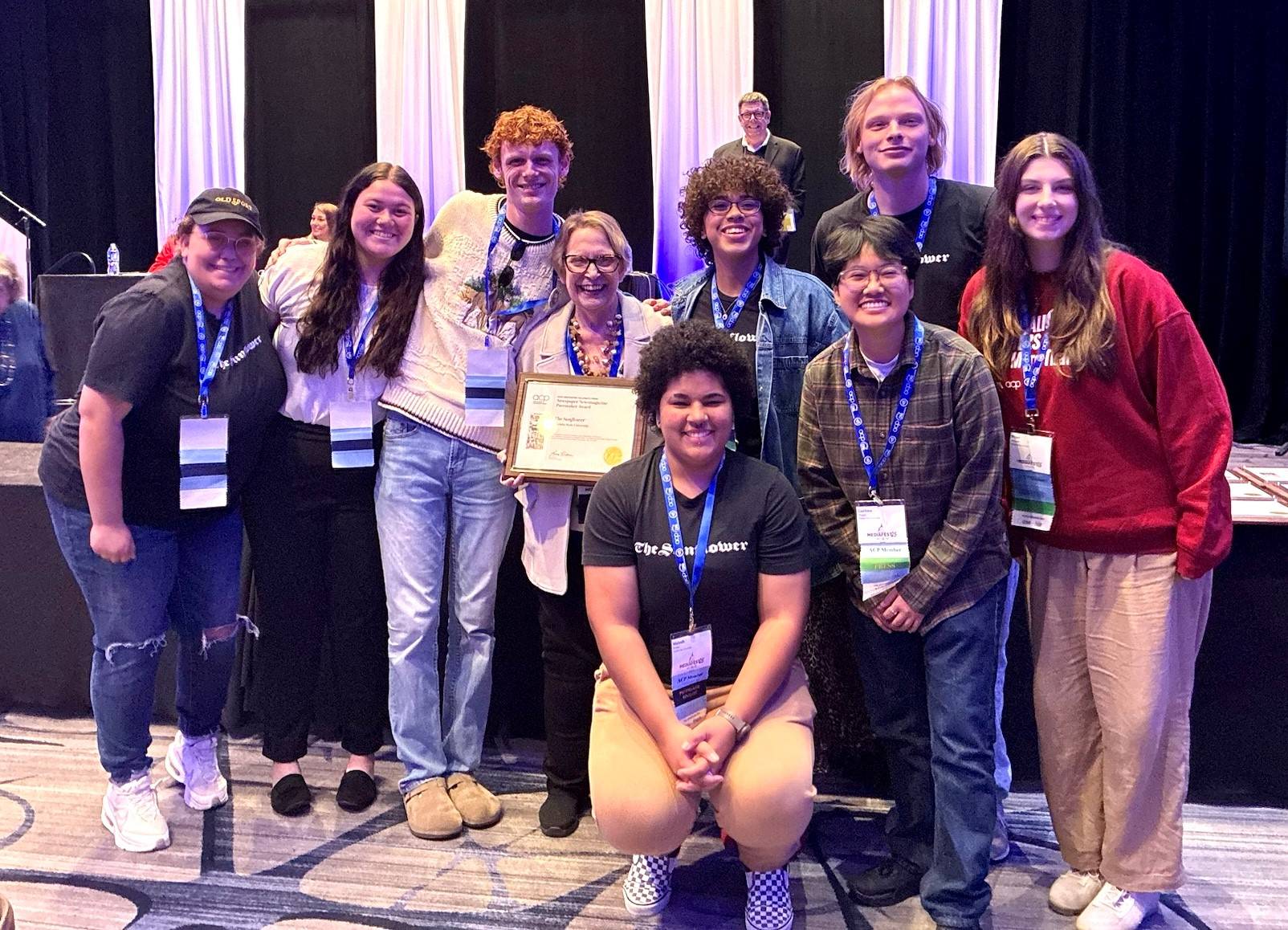
Staff members of The Sunflower accept Pacemaker awards from the Associated Collegiate Press. Standing- Mya Scott, Emma Wilks, Kass Lewis, Laura Widmer (executive director of Associated Collegiate Press), Taliyah Winn, Garima Thapa, Zach Ruth, Piper Pinnetti. Kneeling: Maleah Evans.
New Faculty
Louis Alvarado, assistant professor of anthropology
Victoria Bochniak, visiting assistant professor of anthropology
Adam Daly, associate teaching professor in chemistry
Ryan Jorn, associate professor of chemistry
Tracey Jenkins, assistant educator in criminal Justice
Vanessa Aguilar, assistant professor of English
Christian Pettersen, assistant professor of geography
Haley Schroer, assistant professor of history
Emily Mee, assistant professor of public affairs
Jordan Butcher, assistant professor of public affairs
Mara Hernandez-Etura, assistant professor of Spanish
Barbara Sponsel, assistant teaching professor in mathematics and statistics
Dayla Jensen, assistant educator in mathematics and statistics
Colby Clark, visiting assistant professor of philosophy
Aziz Abubshait, assistant professor of psychology
Aweke Tadesse, assistant professor of social work
Kelly Young, assistant professor of social work
Nicole Fox, assistant professor of social work
Tisha Whitehead, assistant educator in sociology
Faculty and Staff Accolades
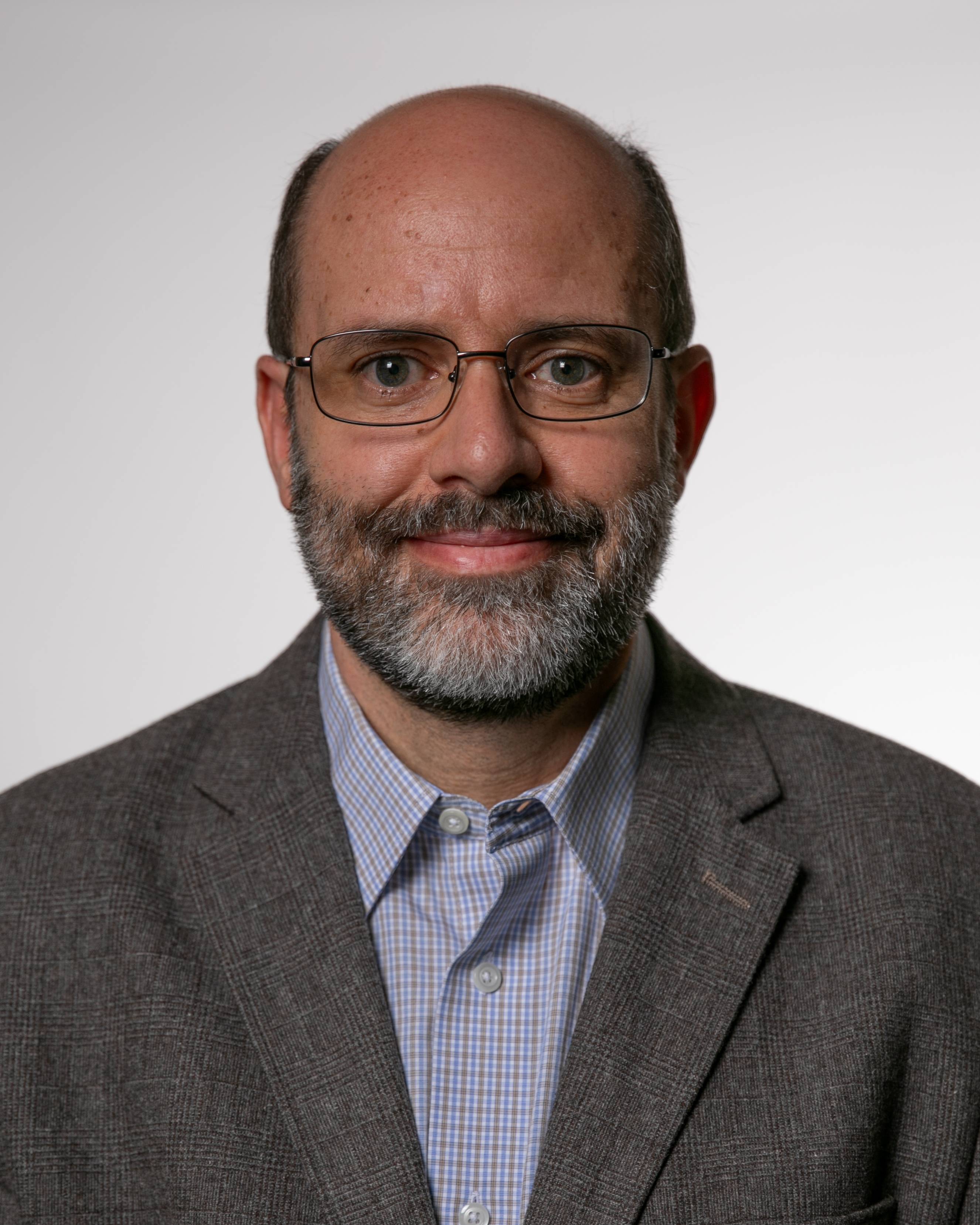
Neal Allen, associate professor of political science, was recognized with a Faculty Fellowship from The Abraham Feinberg Educational Network for Active Civic Transformation. Faculty fellows teach new courses or enhance existing courses that engage students in hands-on study and work related to state-level legislation.
Moriah Beck, Talaty Endowed Research Professor, biochemistry, gave an invited talk, “On the Move, Palladin at the Crossroads of Actin Branching and Bundling” at the 39th annual Protein Society Symposium in San Francisco.
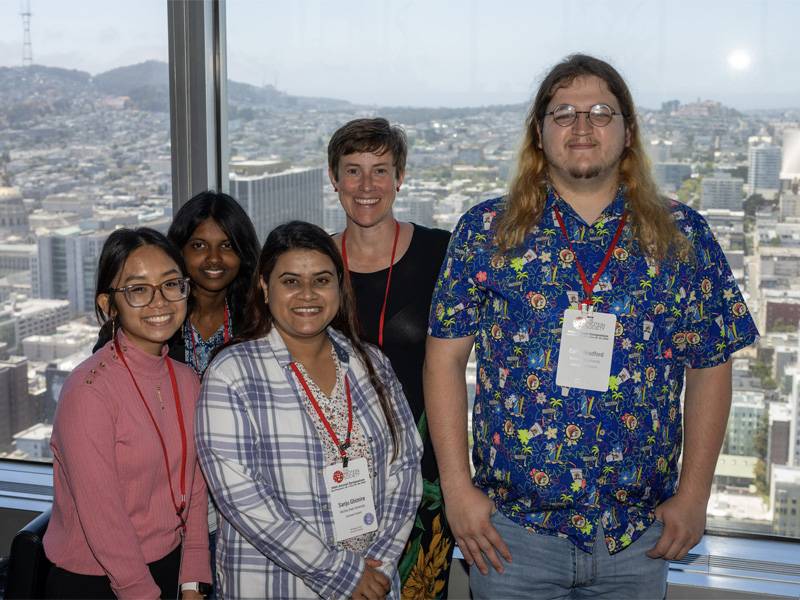
Rocio del Aguila, associate professor of Spanish and chair of modern and classical languages and literatures, was appointed by Gov. Laura Kelley to the Kansas Hispanic and Latino American Affairs Commission.
In October, the Environmental Finance Center partnered with the National Recycling Coalition to host their annual convening at Wichita State University. The event featured stakeholders in sustainable materials management from across the country to talk about recycling, waste reduction, food loss and waste, and other topics related to circular economies of waste streams. WSU speakers included Richard Muma, president, and Michelle DeHaven, EFC program manager.
At the recent Fairmount College Staff Development Day, two employees were recognized for their expertise and department support. John Keckeisen, office coordinator for the history and philosophy departments, received the Excellent Service Award. It acknowledges staff who make a difference at the department level through their high quality of work. Mrs. Pereski, office coordinator for the English department, received the Ripple Effect Award. It acknowledges staff for the quality of service they provide to students, the department and Fairmount College.
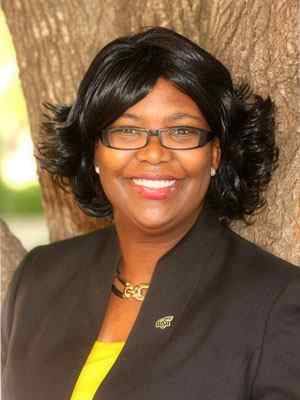
Rhonda Lewis, professor of psychology, is the 2025 recipient of the Outstanding Contributions for Mentorship in Racial Justice Award, presented by the Society for Community Research and Action. She accepted the award at the 20th Biennial Conference-Society for Community Research and Action, Division 27, American Psychological Association conference in Lansing, Michigan.
Cheryl Miller, senior assistant dean for academic and staff operations, earned three awards in the 2025 National Communications Contest held by the National Federation of Press Women: hird place, Publications Regularly Written by Entrant, Fairmount College Newsletter, Spring 2024; third place, Personality Profile, Fairmount College Newsletter, Fall 2024; honorable mention, Publication Regularly Edited by Entrant, Fairmount College Newsletter, Fall 2024.
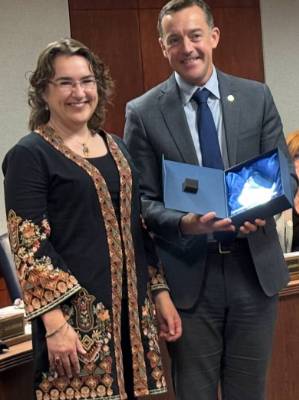
Lisa Parcell and Blake Benson, Chair, Kansas Board of Regents
Lisa Parcell, professor and Kansas Health Foundation Director of the Elliott School of Communication, was recognized with the Faculty of the Year Award by the Kansas Board of Regents.
In Memoriam
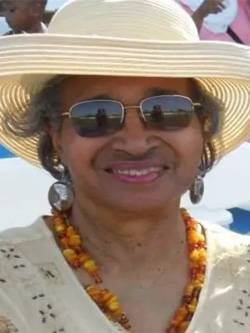
Anna Chandler, 89, died Sept. 20, 2025. She taught for many years at Wichita State and served as the chairperson of the ethnic studies department. Memorial tributes may be made to Newman AME Church, 233 Bagley Street, Pontiac, Michigan 48341 or to Pontiac Alumnae Chapter of Delta Sigma Theta Sorority, Inc., P.O. Box 431194 Pontiac, MI 48343.
Return to Newsletter Section Menu