Suspenders4Hope, a program developed at Wichita State University, is highlighting different departments and individuals on campus who are advocates for mental health in hopes that their stories will inspire others to continue supporting one another in the community.
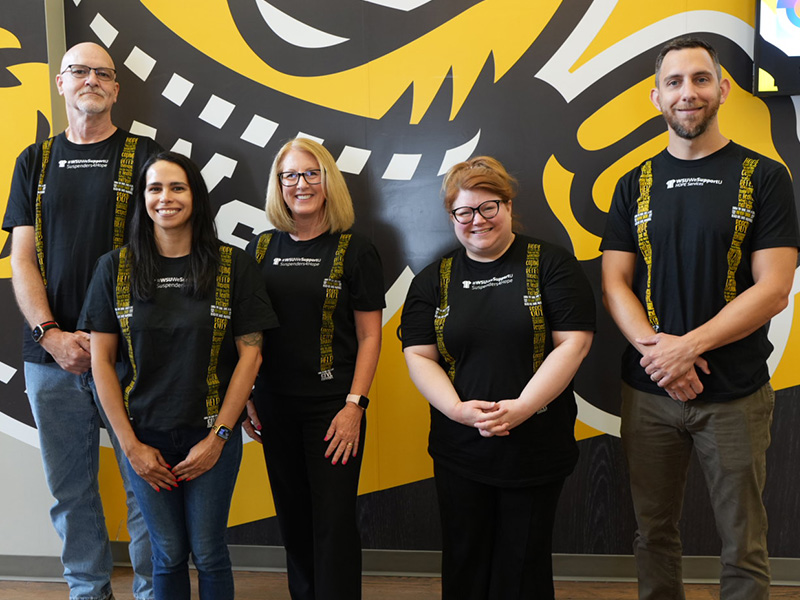
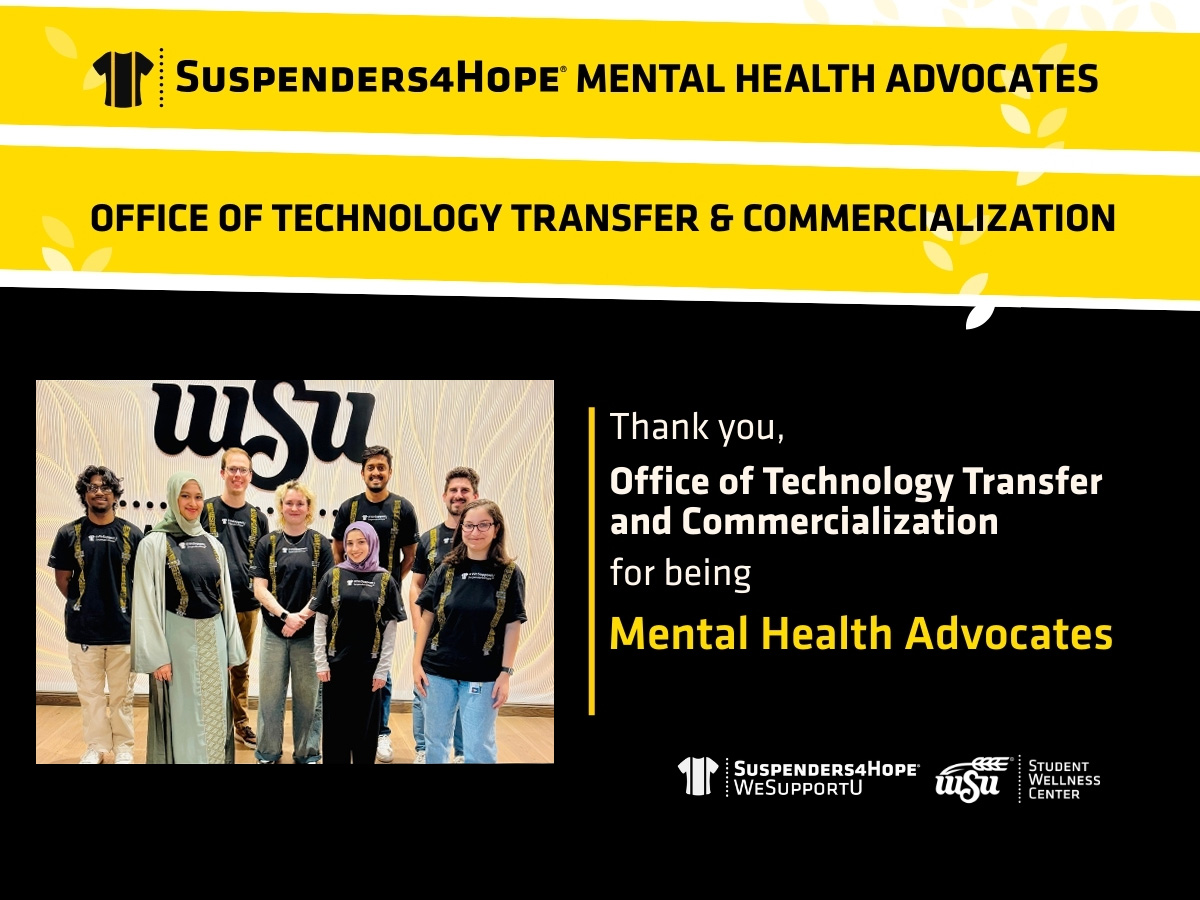
The Office of Tech Transfer and Commercialization is being recognized for its integral part in helping the Student Wellness Center and Counseling and Psychological Services launch Suspenders4Hope, leading to communities both in and outside of Wichita State having the tools necessary to support those in need.
At Wichita State University, the Office of Tech Transfer and Commercialization (OTTC) traditionally operates in the realm of tangible innovation — patenting engineering marvels or licensing new aviation composites. However, the team found themselves venturing into uncharted territory when they partnered with the university's Student Wellness Center.
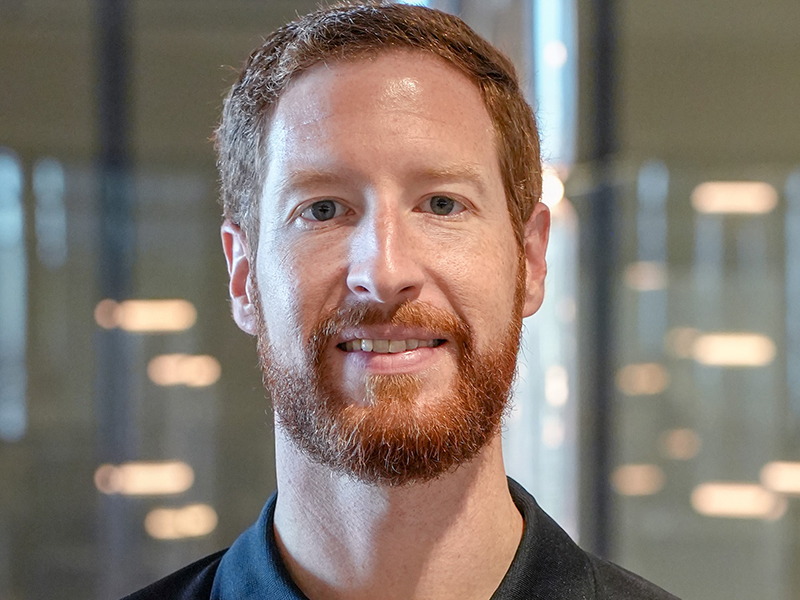
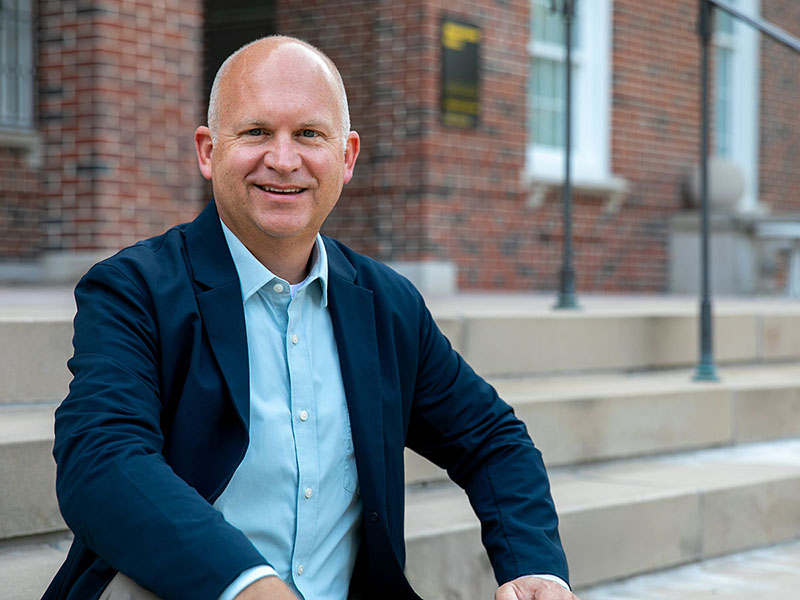
First developed by the Counseling and Psychological Services team, Suspenders4Hope is a vital suicide prevention initiative for the Student Wellness Center, but it needed a way to scale its impact. Recognizing that innovation isn't limited to physical widgets, OTTC, led by Rob Gerlach, associate vice president of tech commercialization and industry engagement, and Zeeshan Khan, program manager, stepped in.
They needed to reimagine OTTC’s standard operating procedures to better serve Student Wellness Center’s mission, with Suspenders4Hope, to save lives. Versus the standard patents OTTC was familiar with, Suspenders4Hope needed a strategic mix of copyrights and trademarks to protect and promote the program, working closely with the team to package the training materials, kits and the iconic suspenders imagery into a professional, cohesive product.
This crucial administrative groundwork provided the Student Wellness Center with a protected, standardized framework, ensuring that the integrity of its message remained intact as it prepared for wider distribution.
“We recognize the importance of working with the Student Wellness Center and the CAPS team,” Gerlach said. “Suspenders4Hope messaging really resonates with students and others in the community, and we are proud to have played a small part in helping to amplify it. Encouraging mental health advocacy is imperative for all groups and departments at WSU.”
The collaboration first paid dividends directly on the Wichita State campus, strengthening the resources available to the student body. By formalizing the Suspenders4Hope intellectual property, OTTC helped the Student Wellness Center transition the program from a temporary grant-funded project into a permanent, sustainable campus fixture.
This structure allowed for the consistent production of advocacy kits and training modules, which became ubiquitous across the university — from engineering classrooms to athletic fields. OTTC’s work ensured that the Student Wellness Center had a robust, reliable mechanism to engage students, faculty and staff, normalizing the conversation around mental health and making support tools readily accessible within the university ecosystem.
Beyond campus, OTTC’s commercialization strategy was the engine that propelled these mental health resources into the wider community. Understanding that the goal was accessibility rather than exclusivity, the office designed a non-exclusive licensing model that made it easy for other organizations to adopt the program. This turnkey approach allowed the Student Wellness Center to reach high-risk populations outside the academic bubble, including the construction and aviation industries, faith-based communities and other institutions of higher learning.
Because the OTTC had effectively packaged the program, local businesses and organizations could easily implement the training, equipping managers and employees with the specific tools needed to identify crises and support one another in the workplace.
Ultimately, the Office of Tech Transfer and Commercialization demonstrated that its role extends far beyond contract negotiation; it is a vital amplifier of social impact. By treating the Student Wellness Center’s expertise with the same rigor as hard science technology, it successfully bridged the gap between academic theory and real-world application.
The partnership not only secured a sustainable future for Suspenders4Hope but also established a new precedent at Wichita State: that the commercialization of university research is a powerful vehicle for community healing, ensuring that vital mental health resources reach the people who need them most.
About Wichita State University
Wichita State University is Kansas' only urban public research university, enrolling more than 25,000 students between its main campus and the WSU Campus of Applied Sciences and Technology (WSU Tech), including students from every state in the U.S. and more than 100 countries. Wichita State and WSU Tech are recognized for being student-centered and innovation-driven.
Located in the largest city in the state with one of the highest concentrations in the United States of jobs involving science, technology, engineering and math (STEM), Wichita State University provides uniquely distinctive and innovative pathways of applied learning, applied research and career opportunities for all of our students. The National Science Foundation ranked WSU No. 1 in the nation for aerospace engineering R&D, No. 2 for industry- and defense-funded engineering R&D and No. 9 overall for engineering R&D.
The Innovation Campus, which is a physical extension of the Wichita State University main campus, is one of the nation’s largest and fastest-growing research/innovation parks, encompassing over 120 acres and is home to a number of global companies and organizations.
Follow Wichita State on social media: