

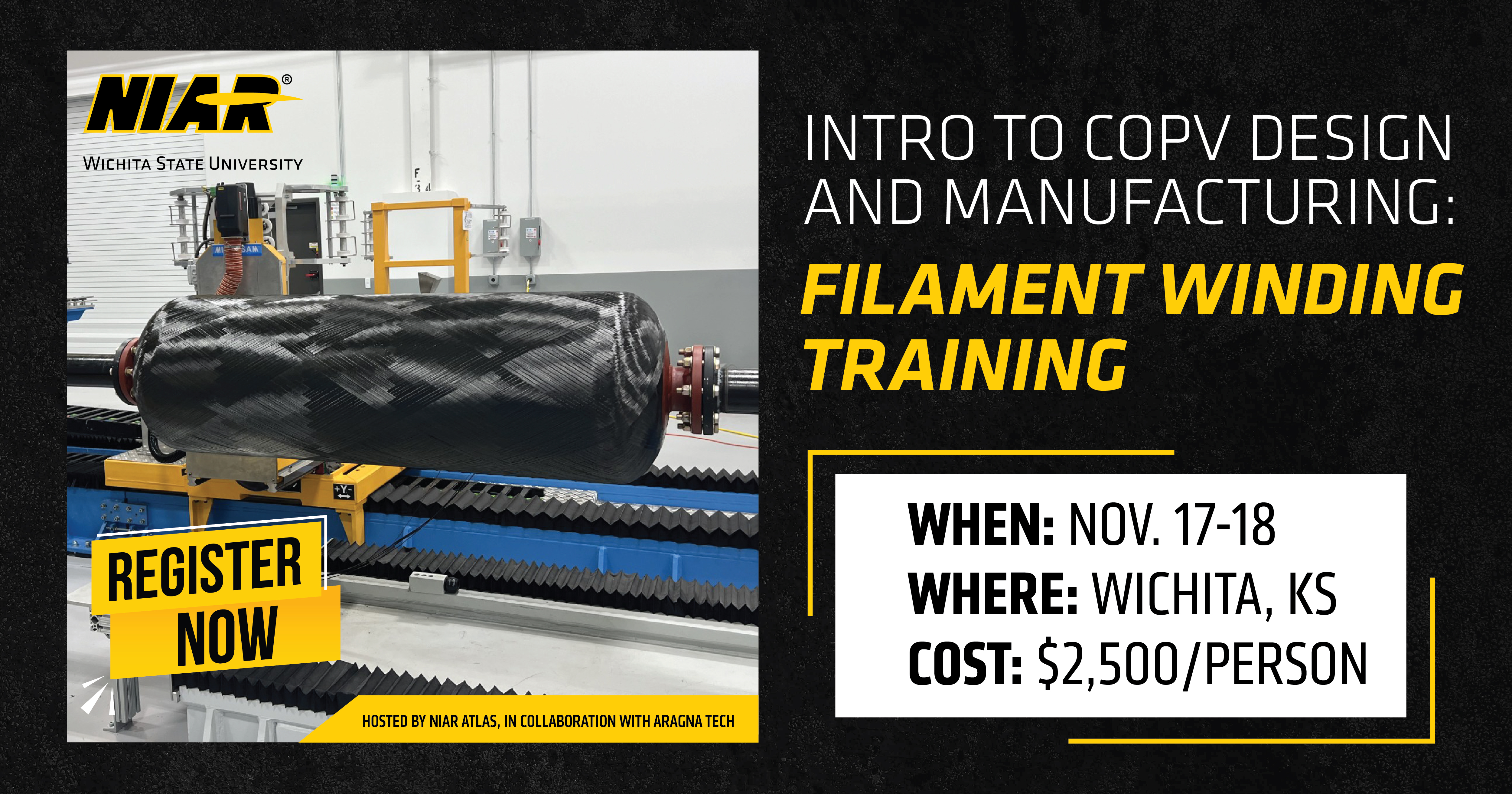
Hosted by NIAR ATLAS, in collaboration with Aragna Tech
When: November 17-18
Schedule:
Start: 8:00 a.m., Tuesday, Nov. 17
End: 5:00 p.m., Wednesday, Nov. 18
Where: ATLAS @ National Institute for Aviation Research (NIAR)
Dock 2, 4147 Oliver, Bldg. 140H
Wichita, KS 67210
Cost: $2,500 per person
Registration Deadline: Monday, November 10, 2026
Note: Minimum enrollment is 12. We will notify registrants of any rescheduling or
alternatives if this requirement is not met.
“Training that builds real-world capability.”
Most COPV courses stop at the slides - this one puts you on the machine. On Day 1,
you will design a real wrap pattern and push it through burst and cycle simulations.
On Day 2, you will carry that exact pattern onto NIAR's filament winding equipment,
start it up, calibrate it, and wind it yourself, picking up the tips and tricks that
only come from engineers who have done this thousands of times. Training is fully
software-agnostic; skills apply to any major winding or design platform.
Who Should Attend
- Design and analysis engineers
- Process and production engineers
- Machine operators and technicians
- QA and inspection staff
Instructors
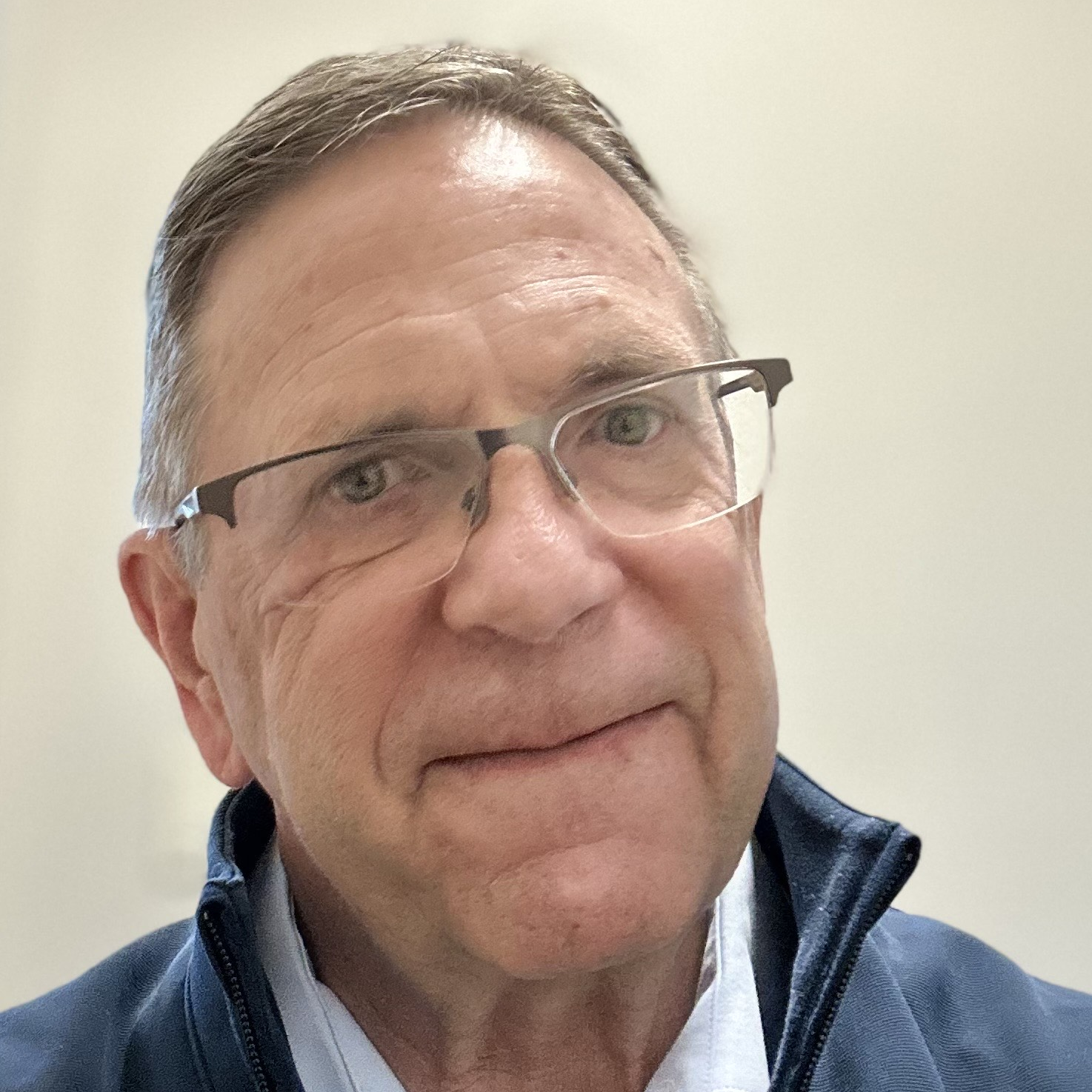

Led by Shaun Hogan (left) and Dr. Alexis Dubois (right) of Aragna Tech - the team
behind designs used in more than 10 million COPVs with zero field failures, supporting
13+ factory launches across 9 countries.
Hands-On on the Cutting Edge: The Mikrosam MAW 20 FB5/1
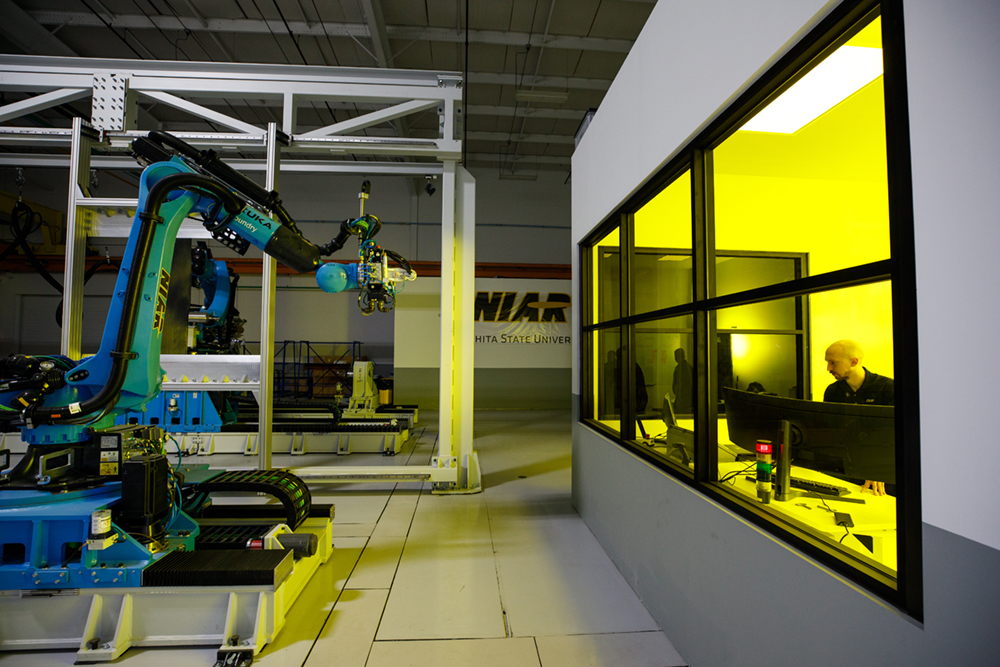
Housed within NIAR's advanced cell, our course features the Mikrosam MAW 20 FB5/1, a state-of-the-art, 5-axis CNC filament winding machine engineered for high-precision COPV production. While this class focuses strictly on core filament winding, the machine is co-located with our Advanced Fiber Placement (AFP) systems. Training here lets you preview the infrastructure making fully integrated, next-level FW+AFP COPV production.
Day 1 — COPV Design Fundamentals
- Morning:
- Pressure vessel types (I–V), liner materials and trade-offs (metal, PA, HDPE, XLPE), applications across aerospace, hydrogen, and industrial gas storage.
- Regulatory and standards landscape — DOT, ASME, ISO, TUV — what “qualified” actually requires.
- Afternoon:
- Design fundamentals — netting analysis, dome contour, boss design, burst/cycle lifebasics.
- Guided hands-on session using COPV design software (e.g., ComposiCAD) — attendees workthrough a simplified vessel design exercise.
Day 2 — Manufacturing & Design Troubleshooting
- Morning:
- Filament winding process walkthrough — fiber/resin systems, winding patterns, tension control, cure cycles.
- Live demonstration on NIAR ATLAS's filament winding machine, run jointly by Aragna instructors and NIAR lab staff.
- Afternoon:
- Hands-on troubleshooting review — root-cause analysis and design fixes for the failure patterns engineers actually see: burst pressure too low or too high, fiber slippage/bridging on the dome, excessive void content, uneven fiber alignment, and premature liner failure. This is where Section 2's cost-optimization and winding-speed acceleration methods get applied to real defect data.
- Case-based working session — attendees work through real defect scenarios and propose corrective actions (winding pattern/tension changes, resin and cure adjustments, boss/dome geometry revisions), open Q&A, certificates of completion.