

UPCOMING MEETINGS:
Spring 2026 Joint Coordination Meeting - Registration is now open
Format: In-person meeting
Dates: May 12-15th, 2026; (Exec Meeting will be held virtually after Coordination)
Venue: Embassy Suites Denver Convention Center
1420 Stout St, Denver, CO 80202
(303) 592-1000
For our event, CMH-17 secured a room rate at the U.S government per diem. For booking under our room rate, please see the link below. Please note, CMH-17 is responsible for our room block and booking within our meeting block helps us to keep conference costs low. Breakfast is included with your room reservation.
Register Hotel
Schedule Mini Tutorial Research Topics Panel Awards Dinner Cost
Schedule
Please view the schedule below. Please note that the schedule is subject to change
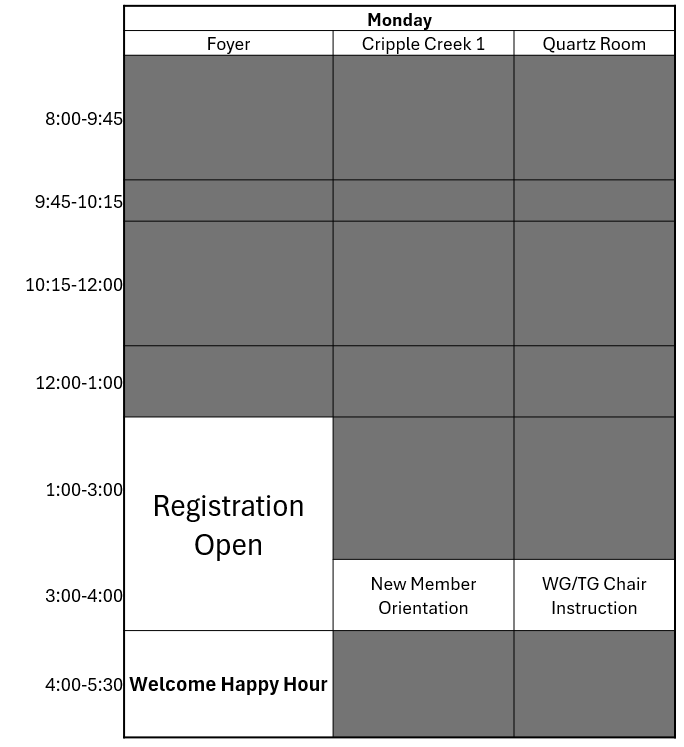
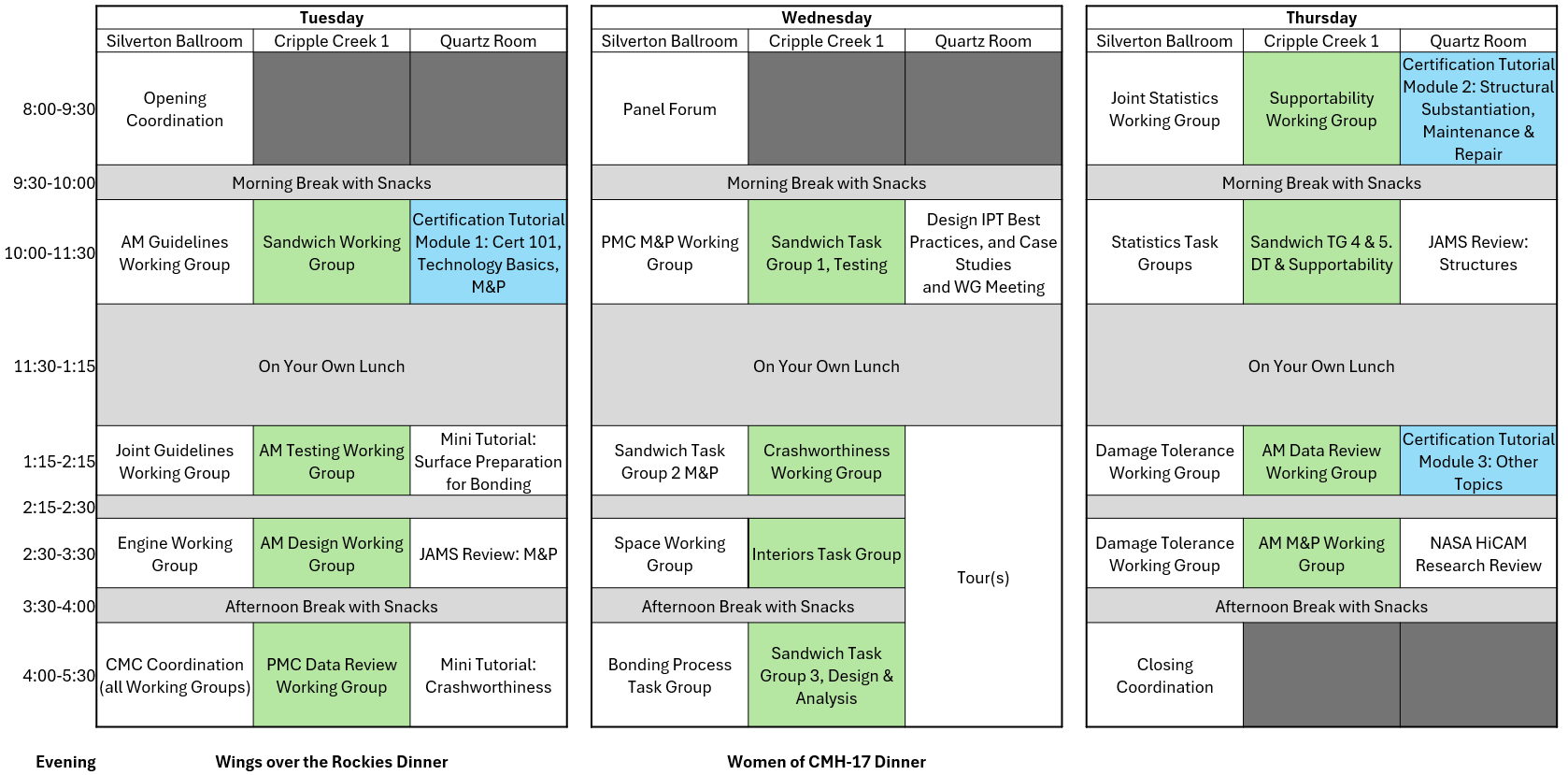
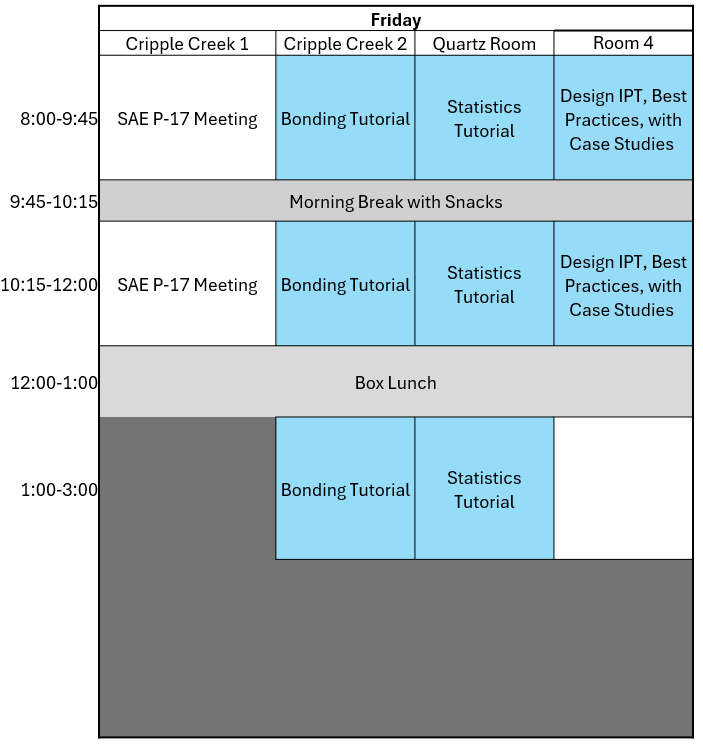
We are hosting mini tutorials at our CMH-17 coordination meeting along with our working group and task group sessions, FAA sponsored research presentations, and our regular all-day tutorials.
The mini tutorial topics include Surface Preparation for Bonding and Crashworthiness.
These mini tutorials are a great way to get additional benefits from attending our spring coordination. We can't wait to see you there!
What Research is being Presented?
The FAA sponsored Research topics will be announced soon.
The Spring 2025 Panel Topic will be announced soon
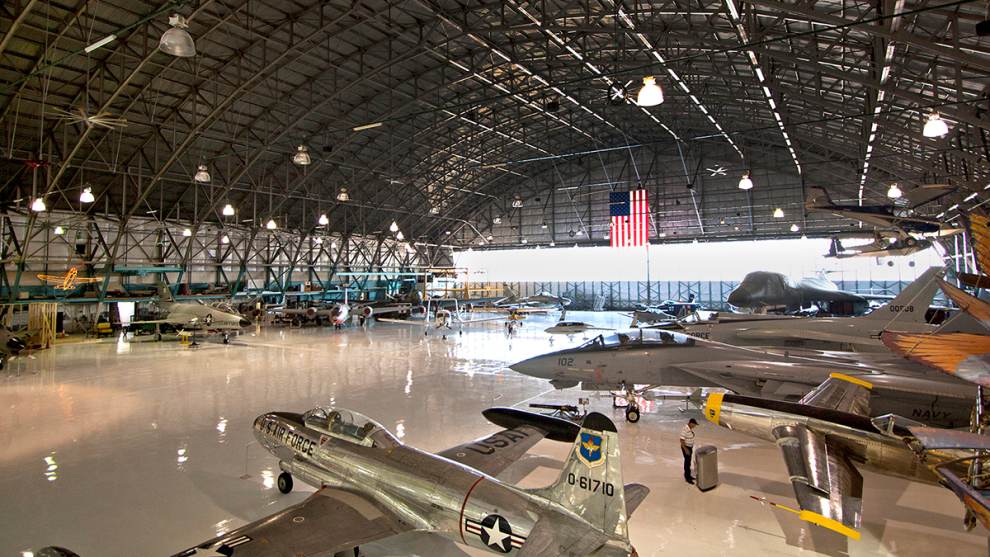
Wings Over the Rockies Air and Space Museum
7711 E Academy Blvd, Denver Co 80230
Meetings Costs
The registration fee includes the welcome happy hour, mid-morning and afternoon breaks
with refreshments, and all-day coffee. The registration fee also covers the cost of
attending the meeting and sessions, conference planning services including the venue
facility and support staff, registration services, and event advertising.
| Attendance Type |
EARLY BIRD 02/01/2026-03/13/2026 |
REGULAR 03/14/2026-04/17/2026 |
LATE 04/18/2026-05/01/2026 |
|---|---|---|---|
| Joint Coordination | $550 | $675 | $800 |
| Stats Tutorial + Coordination | $900 | $1,025 | $1,150 |
| Stats Tutorial + Software + Coordination | $1,300 | $1,425 | $1,550 |
| Bonding Process Tutorial + Coordination | $900 | $1,025 | $1,150 |
| Design IPT Case Studies Tutorial | $825 | $950 | $1,075 |
| Wings Over the Rockies Dinner | $80 | $80 | $80 |
*Email CMH-17 if you are a FAA Employee or WG/TG Chair for additional discounted registration code or need to be invoiced for your registration.
Event Parking
Parking is Valet parking at the Embassy Suites.
- Registrants receive a Valet Parking Price of $48 for overnight/all day parking
- In/Out privileges are granted for our Registrants
- Self Parking is not available
As the event is close to the convention center, other parking is available nearby such as the Denver Performing Arts Complex Garage.
Navigation
The hotel is easily accessible using the Denver Light Rail
- Take the A line from the Denver Airport Station to Union Station
- Get on the Free 16th St Mall Ride Shuttle
- This will drop you off at the Convention Center next to the hotel (16th and Stout)
- This trip takes about 45 minutes
The Museum is easily accessible using the Denver Bus System from the Hotel
- From Hotel - walk to 17th and California (1 block)
- Get onto the Number 6 bus which will take you to Lowry Blvd and Fairmount Dr
- Walk 1 block North to the Museum
- This trip takes about 35 minutes
See the RTD website for more information on fares and routes: Fares & Passes | RTD-Denver
Registration Questions? – Email the Secretariat at info@cmh17.org
ABOUT CMH-17 MEETINGS:
CMH-17 Joint Coordination Meetings meet twice a year; typically an in-person meeting in Spring and a virtual meeting in Fall. All of our members from the Polymer Matrix Composites, Ceramic Matrix Composites and Non Metallic Additive Manufaturing group come together at these meetings to develop and update Handbook content, discuss topics important in industry, be a source of information and education to all member via networking. At these mettings, you can expect Tutorials, Forums and Q&A sessions, additional events (such as Tours of local industry or sponsor) and more!
Our Organization is growing and evolving with the various industries and we look forward to having you join us. We are due for an update of our introductory video, but we invite you to view it at the link below.
An "Introduction to CMH-17" video is available at the following link: https://www.cmh17.org/RESOURCES/IntroductiontoCMH-17.aspx
This presentation provides information on handbook organization, approval procedures and volunteer involvement; and an overview of CMH-17 working groups including handbook responsibilities and current initiatives.
CMH-17 TUTORIALS
Tutorials will be held during main CMH-17 Coordination meetings based on interest level of the tutorials. See event registration page (when there are meetings) for meeting schedule and tutorial offerings.
- Offered based on interest
- Complimentary, registration required.
NEW content Spring 2024 - now including additive manufacturing content
The Aircraft Structure Certification and Compliance Tutorial (updated in April 2024) provides an overview of certification requirements and unique means of compliance for composite and AM parts and structure for the topics covered in FAA AC 20-107B and EASA AMC 20-29. The tutorial complements and extends the information in CMH-17 Volume 3, Chapter 3 (completely re-written for CMH-17 Rev.H) by providing added content depth and including unique considerations for AM. The tutorial covers the following topics:
- Certification 101
- Technical Challenges
- Material and Process Control
- Structural Substantiation
- Maintenance
- Flutter
- Crashworthiness
- Flammability / Fire Protection
- Lightning Protection
- Simplified Means of Compliance
- Introducing New Materials and Processes
- Offered based on interest
- Option for tutorial only
- Option for software only
- Option for software and tutorial (recommended)
- See event registration for current rates
In support of Handbook objectives, the handbook includes methodology for performing a number of engineering processes associated with the design, manufacture and continued operational safety of composite materials. These processes use rigorous statistical analysis requirements to confirm acceptability. These statistical procedures are sometimes intricate and confusing to individuals that are not familiar with them.
This tutorial is a comprehensive treatment of the CMH-17 methods for statistical analysis and their importance to proper development of design information. Students will participate in an interactive session on the CMH-17 statistical methods, including practical example problems.
Students will receive a copy of CMH17STATS. Students need to bring a laptop computer with Microsoft Excel to participate in the interactive sessions, as they will be focused on using the specialized software available: CMH17 STATS and HYTEQ.
Lecture: Statistics for Allowable GenerationUnderstanding A- and B-basis values and related statistical tests This section focuses on the concepts of A- and B-basis values, what they represent and why they are important. Students will leave with a clear statistical understanding of A- and B-basis values, and an in-depth appreciation of the significance of these values in engineering applications. In addition, a user-friendly flowchart that outlines the material property basis value generation process used by CMH17 Stats will be presented. The flowchart, which was jointly created by Statistics Working Group and Data Review Working Group, emphasizes engineering rationale while ensuring statistical validity.
Interactive Tutorial: Statistics for Allowable Generation (Includes Practical Example Problems)
This interactive tutorial section will include practical example problems on how to compute engineering basis values as outlined in CMH-17. The CMH17 STATS program computes A- and B-basis values as well as other statistics. The use of engineering judgment in interpreting the software results in arriving at a final decision will be discussed.
Lecture: Equivalency Data Analysis
Understanding material equivalency and acceptance testing (material specification limits). This section focuses on the concepts of equivalency testing, including the null hypothesis, Type I and Type II errors, the test statistics and the power of the test. Students will leave with a clear understanding of the purpose and criteria for material equivalency and acceptance testing. A modified co-efficient of variation approach for the purpose of generating interim basis values and specification limits will be explained and discussed.
Interactive Tutorial: Equivalency Data Analysis (Includes Practical Example Problems)
This interactive tutorial section will include practical example problems on how to compute equivalency test statistics outlined in CMH-17. HYTEQ (HYpothesis Testing of EQuivalence) computes the hypothesis test results for equivalency data. The use of engineering judgment to interpret the plethora of equivalency test results in arriving at a final decision will be discussed.
* Agenda and content is subject to change.
- Offered based on interest
- See event registration for current rates
Structural adhesive bonding is an area of remarkable complexity contained in the bond’s seven thousandths of an inch-thick ribbon. This tutorial will attempt to clarify why structural adhesive bonding has a frequently unacceptable level of surprise, rarely good. These surprises can continue throughout a bond’s life cycle, not just during development and manufacturing.
Many failures of bonded structure are the result of misunderstanding (or miscommunicating) issues associated with bond processing, whether during original manufacture, field support, or repair. This tutorial covers bonding materials commonly used, and the processing they require to create successful bonded structure, starting with the simplest of bonds then proceeding incrementally up to the most challenging.
One of the central difficulties with structural adhesive bonding is that there appears to be at least one conspicuous (and perhaps even reasonable) exception to almost every rule or guideline considered. Rather than trying to provide absolute guidance in such an environment, the tutorial will attempt to provide counsel on how to proceed with the variety of answers, some contradicting each other, already found in the literature and in practice.
The tutorial is presented from the perspective of Materials & Process Engineering. While many areas of expertise must work together well to achieve bond system success, M&P has central responsibility for providing a good bond.
- NEW Spring 2024
- Offered based on interest
- See event registration for current rates
Ceramic matrix composites (CMCs) have emerged as critical materials for the advancement of jet engines as well as other aero and energy related applications. The development of these materials for such applications has a history of over four decades. Though there are two main CMC systems, oxide and non-oxide, the non-oxide based composite systems will be emphasized here. This tutorial will focus on three primary areas:
- The driving force for CMCs and the backdrop for CMC development in relation to preceding materials such as superalloys and carbon fiber reinforced composite systems.
- What constitutes a CMC including CMC constituents, CMC mechanical behavior and toughening mechanisms, fiber architecture options and effects, and CMC processing approaches and their effects on properties will be described. Given this, there will be some discussion on the ability to optimize CMC properties.
- CMC performance, in particular performance when subject to elevated temperature stressed-oxidation environments. An overview of CMC strength degradation due to the effects of thermo-chemical-mechanical environments will be described considering the makeup of different CMC systems. In addition, design considerations and mitigation strategies will be discussed which include the need for environmental barrier coatings (EBCs) for long time thermo-mechanical applications.