

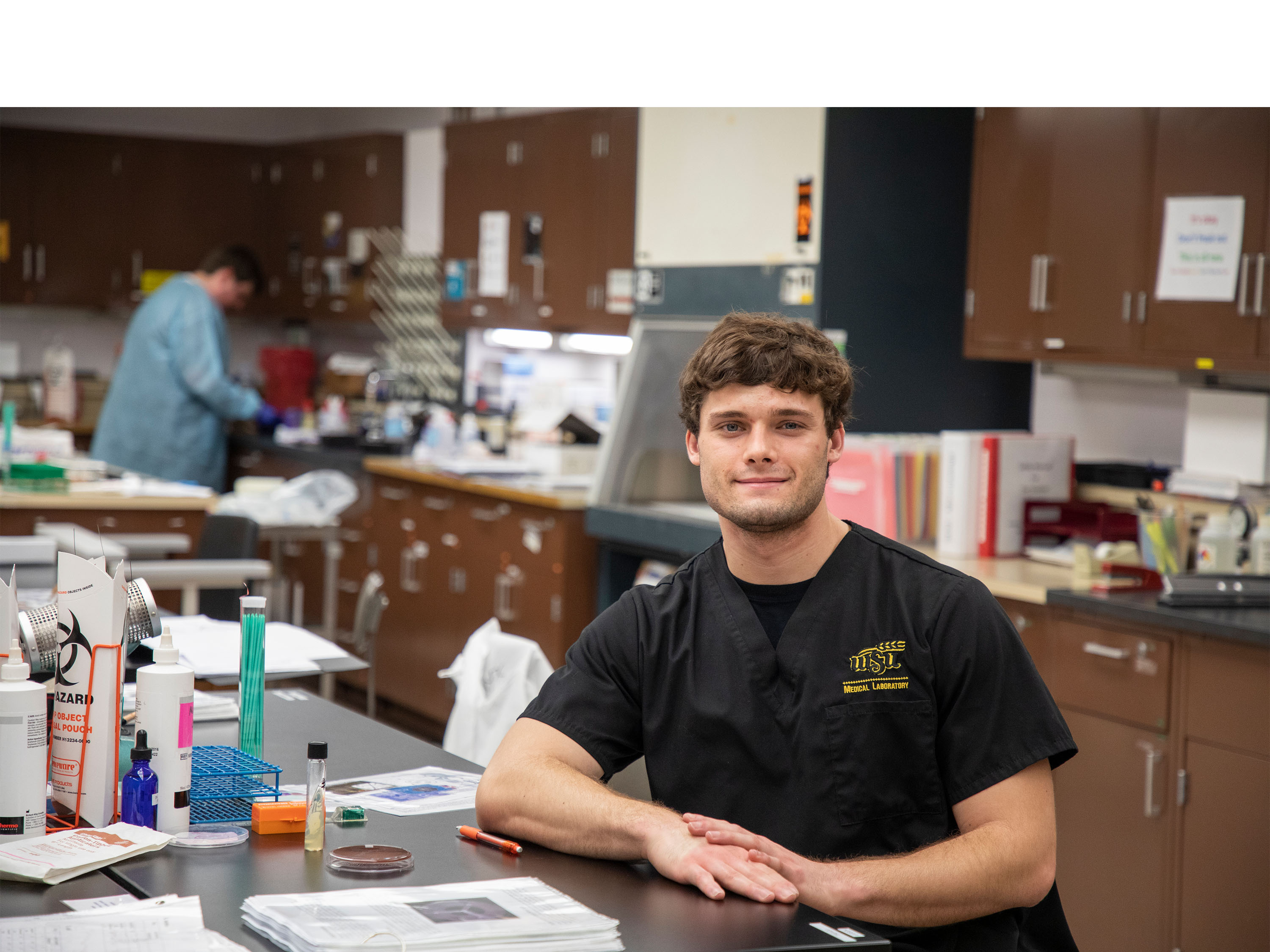
MLS Careers
I Am a Medical Laboratory Scientist - https://www.youtube.com/watch?v=aU8vyqHCy5w
The video opens with soft instrumental music playing over a series of calm, professional laboratory scenes. Viewers are shown medical laboratory scientists and students of diverse backgrounds working inside clean, well-lit clinical laboratory environments. Individuals wear lab coats, gloves, and safety goggles as they move between workstations. Close-up shots show scientists carefully preparing samples, labeling test tubes, and examining specimens under microscopes. The video highlights several laboratory departments, including hematology, microbiology, chemistry, immunology, and blood banking, with visuals of blood smears, automated analyzers, petri dishes, and diagnostic equipment. Scientists are shown focusing intently on their work, recording results, and collaborating with colleagues, emphasizing accuracy and teamwork. Throughout the video, text appears on screen reinforcing the message that medical laboratory scientists play a critical role in patient care by providing the data doctors rely on to make diagnoses and treatment decisions. These messages include yearly diagnoses happening in each department for the following: hematology diagnosing 44,000 new cases of leukemia and chemistry tests diagnosing 1,900,000 new cases of diabetes. Blood bank transfuses 30,000,000 blood components each year. Every day, scientists identify deadly allergies, diagnose new STDs and antibiotic superbugs in immunology and microbiology. They also identify bioterrorism agents before they reach your family. The video includes testimonials from several medical laboratory scientists about the importance and fulfillment they receive from coming to work every day. To network and learn more about medical laboratory science or to become an ASCLS member, visit www.ascls.org.
The overall tone is quiet, purposeful, and respectful, portraying laboratory science as precise, essential, and impactful work that often happens behind the scenes but directly affects patient health outcomes.
ASCLS Career Recruitment Video - https://www.youtube.com/watch?v=3zQrxaVIaqw&t=1s
The video begins by asking questions of the viewer and showing laboratory analyzers at work, a phlebotomy procedure, a scientist performing a test, and a microscope. The video features multiple medical laboratory scientists speaking directly to the camera inside clinical laboratory settings, sharing personal testimonials about why they enjoy and value their profession. Each individual is shown standing or seated in laboratory spaces. As they speak, the background includes laboratory benches, microscopes, computer workstations, analyzers, and other diagnostic equipment. The speakers describe their satisfaction with helping patients, contributing to medical decisions, solving problems, and working as part of a healthcare team, even though their role is often behind the scenes. Between testimonials, brief shots show scientists performing routine laboratory tasks such as reviewing results, handling specimens, and working with instruments. The overall tone is positive and reflective, emphasizing purpose, pride, and the meaningful impact medical laboratory scientists have on patient care through their expertise and dedication.
Careers Beyond the Laboratory
Beyond traditional laboratory roles, graduates may pursue careers in infection prevention and control, environmental health and safety, and quality assurance across industries such as food production, manufacturing, and chemical processing.
Additional pathways include laboratory consulting, diagnostics support, product and instrument development, software development, and roles in medical or pharmaceutical sales.
Entry-Level Competencies
Upon entry into the profession, Medical Laboratory Scientists are prepared to perform clinical testing in areas such as:
- Hematology
- Clinical chemistry
- Immunohematology
- Microbiology
- Serology/immunology
- Coagulation
- Molecular diagnostics and emerging technologies
They analyze and interpret laboratory data to support clinical decision-making, ensure accuracy and regulatory compliance, and contribute to the development and evaluation of laboratory testing systems. They may also assist with the coordination and supervision of laboratory operations.
Medical Laboratory Scientists work both independently and collaboratively, taking responsibility for their work while supporting the diagnosis and treatment of patients and communicating effectively with healthcare professionals and the broader community.
Advanced Education Opportunities
Graduates are well prepared to pursue advanced education in science and healthcare fields, including Physician Associate programs and medical school. Master’s- and doctoral-level degrees in Medical Laboratory Sciences are also available.
Job Opportunities and Listserv
Wichita State University Medical Laboratory Sciences Program Job Listserv
Medical facilities are invited to share employment opportunities with the program. As a service to the medical community and our graduates, the MLS program distributes job announcements through its listserv that students and graduates are welcome to subscribe.
For Employers
Submit a job post by:
- Completing the job announcement form
- Emailing job description details to mls@wichita.edu
For Students & Alumni
Stay informed about job opportunities:
- Subscribe to the MLS Job Listserv
- Visit current postings on the MLS Job Listserv