

October 2025 Insights: Wrapping up the First Eight Weeks
At this point in the semester, students have adjusted to their course schedules and have taken their midterms. It’s common for our team to have a higher percentage of reports submitted by faculty members by this point in the semester as they observe classroom behaviors, signs of stress, and drops in academic performance including being absent in the classroom. By being proactive in submitting reports and being observant of signs of stress, we are creating a culture of care on our campus that addresses student concerns in a timely manner.
Overview of Reports and Activity
October was one of the busiest months for the CARE Team this semester, reflecting
the mid-term stress and ongoing challenges students face. Two hundred and six CARE
reports were submitted on 160 individual students. This is the highest monthly volume
so far, this academic year, signaling increased outreach needs.
The spike in reports during October aligns with mid-semester stressors such as:
- Academic pressure and performance anxiety
- Mental health challenges
Anytime a student is hospitalized, detailed care goes into providing wrap-around support for that student. Eighteen students were provided individualized wrap-around care while hospitalized and during their transition back to the university upon hospital discharged. These services not only support and advocate for the student academically, but also mentally, emotionally, and financially.
The number of hospitalizations and mental health transports highlights the importance of continued proactive outreach and crisis intervention.
Action Steps for Students
We encourage all students to take advantage of the resources available to support
mental health and overall well-being:
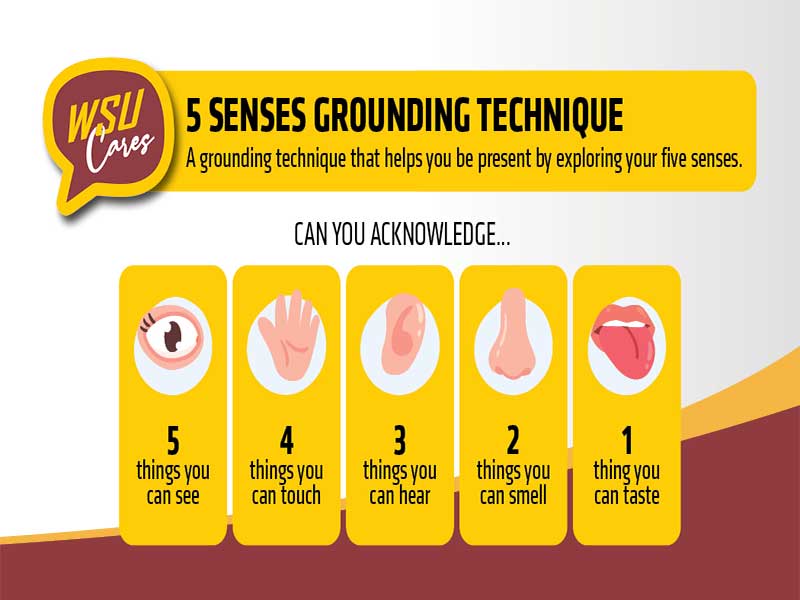
- Reach Out Early: If you’re experiencing mental health challenges reach out for support. Mental health can have negative impacts on your overall wellbeing. We are here to support you while addressing those challenges.
- Practice Coping Skills: If you are unsure what a coping skill is or when to use one, contact a case manager from Student Outreach & Support. They can educate you on coping skills to try and assist in practicing them.
Looking Ahead
As we move toward the end of the semester, the CARE Team remains focused on supporting students through academic stress and mental health challenges while promoting a culture of care and connection across campus.
If you or someone you know needs help, please reach out to the CARE Team 316-978-3149. Your well-being matters.